

Cordouan lighthouse
Cordouan lighthouse, the France's oldest lighthouse still in service, stands out as one of the most majestic in the world. Protected as a historic monument since 1862 and recently honoured with a UNESCO World Heritage Site in 2021, it embodies the evolution of navigation and architecture since the 16th century.
In this article, we offer you a guide enriched with captivating photos for an unforgettable tour of this Renaissance treasure, affectionately known as the "king of lighthouses"or theVersailles by the sea“.
Preparing your visit to Cordouan lighthouse

Interested in discovering Cordouan lighthouseHow do you plan your visit to this architectural gem set in the heart of the ocean? Here are some essential tips for organizing your visit and making the most of this memorable adventure.
Discovering the Cordouan Lighthouse

Ready for an adventure to the Cordouan lighthouseWhy not take a look at this unrivalled monument in the heart of the ocean? Before you set foot on this Renaissance masterpiece, let's discover its fascinating history, its remarkable architecture and the lives of the people who bring it to life.
A brief history of the lighthouse
Visit Cordouan lighthouseFrance's oldest lighthouse still in operation, is one of the most majestic in the world. Built at the end of the 16th century, during the reign of Henri III and Henri IV, it symbolized their power. Designed by the engineer Louis de Foix, its elegant structure is inspired by antique and Mannerist architecture.
Featuring royal apartments, a chapel dedicated to Notre-Dame de Cordouan, and a Kings' Hall adorned with busts of French sovereigns, the lighthouse was completed in 1611, after 27 years of construction.
In the 18th century, it was raised by 30 meters by the engineer Joseph Teulère, who retained Louis de Foix's style, adding a new lantern and a copper dome. The lighthouse thus reached a height of 68 meters, making it the highest in Europe.
In the 19th century, it was equipped with modern optical devices and was the first lighthouse to be classified as a historic monument, in 1862. Automated in 2006, the lighthouse is still staffed by keepers who maintain the building and welcome the public.
In 2021, UNESCO recognizes its outstanding universal valueIt has been declared a World Heritage Site for its history, architecture and technology.
Architecture and technical specifications
The Cordouan lighthouse, a fusion of art and science, bears witness to the expertise of engineers and craftsmen over the centuries. Its architecture, a blend of ancient, Renaissance and classical influences, is built of ashlar from Saintonge and Médoc.
It unfolds over eight levels, accessed via a 301-step spiral staircase, starting with a sturdy base, passing through living spaces such as the guardhouse, and culminating in the lantern, equipped with a 250-watt halogen lamp visible for up to 22 nautical miles.
Human presence and lighthouse keepers
France's last inhabited lighthouse at sea, the Cordouan lighthouse is brought to life by its keepers, the true guardians and animators of the site. These four government employees take it in turns to ensure that the lighthouse is in good working order, maintain the monument, welcome visitors and ensure the safety of the site.
The guards, heirs to a centuries-old tradition, carry out essential tasks, from technical supervision to welcoming visitors and meticulously maintaining this architectural and historical jewel.
Immortalize your visit
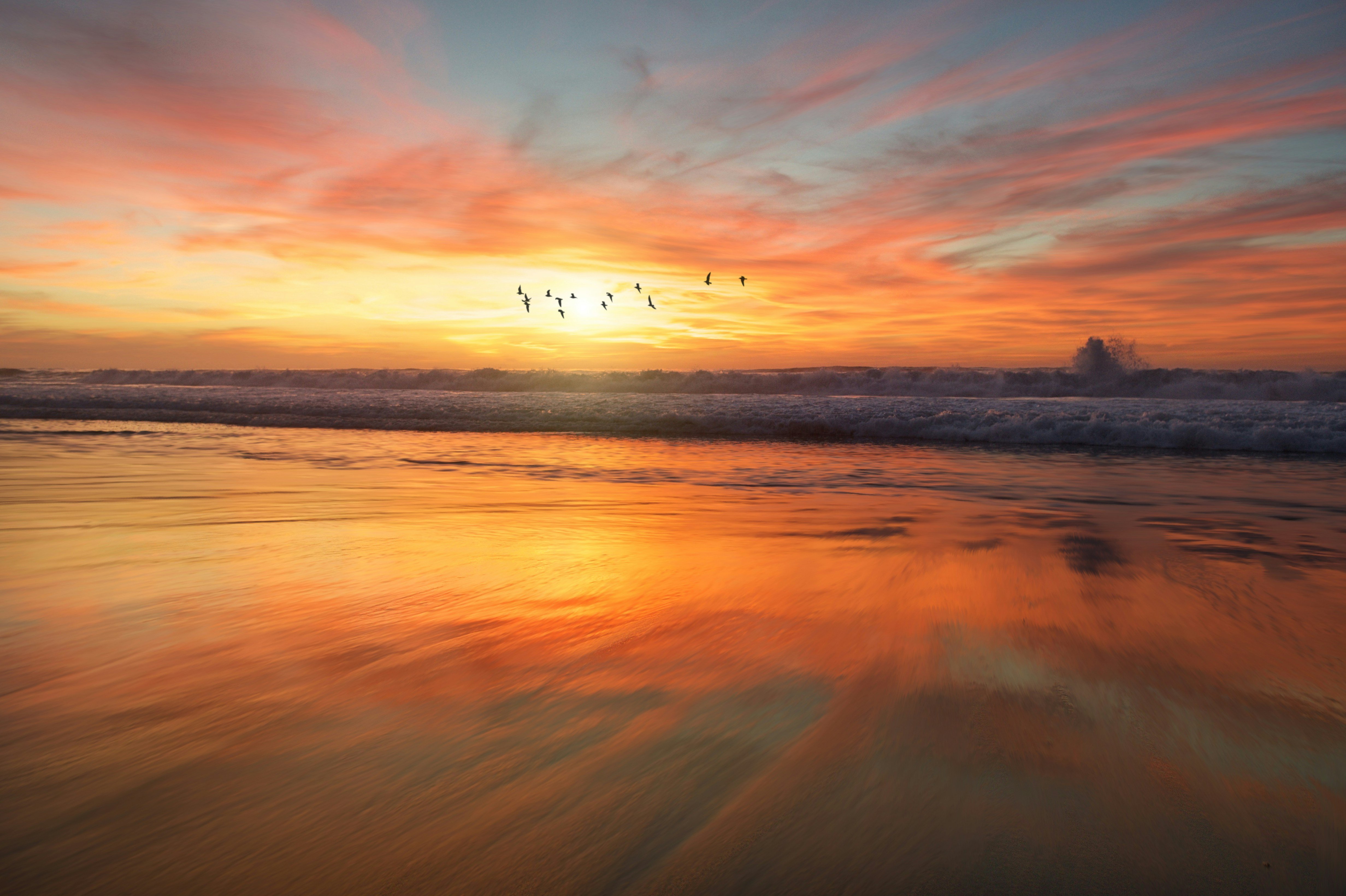
Have you recently explored the Cordouan lighthousea world jewel nestled in the heart of the ocean? Have you been captivated by its fascinating history, remarkable architecture and unique ambience?
If you wish to keep a unforgettable memory of this exceptional experience, here are a few tips to immortalize your visit and share it with your loved ones.
Tips for beautiful photos
The Cordouan lighthouse lends itself magnificently to photography, offering a multitude of angles and perspectives. Capture its slender silhouette and reflection on the water from the boat, or take advantage of the rocky plateau to play with perspective, contrast and color. Inside, architectural details, works of art and the play of light offer other wonderful subjects for photography.
For capturing beauty From the lighthouse, there are a few basic principles to follow: choose the right moment, taking into account the weather, light and tide. Use appropriate equipment, such as a camera with a wide-angle lens, a tripod and a polarizing filter. Above all, respect this exceptional heritage by avoiding touching fragile elements, disturbing other visitors and using flash in sensitive areas.
For inspiration, take a look at some sample photos of the Cordouan lighthouse on sites such as [Getty Images] or the official lighthouse website. You'll find high-quality images to guide you in your choices of framing, composition and retouching.
Must-see viewpoints
The Cordouan lighthouse is full of breathtaking vistas. Don't miss the upper platform for a panoramic view of the ocean, estuary and coastline, where the spectacle of nature unfolds before you. The salle des rois plunges you into the history of the French monarchy, with its royal busts and the portrait of Henri IV, a reminder of the king's role in building the lighthouse. The chapel, meanwhile, will seduce you with its beauty and spirituality, with its statue of the Virgin and Child and its rich decorations.
Share your adventure
When you're connected, you can share your adventure on social networks and bring the Cordouan lighthouse to a wider audience. Whether on Facebook, Instagram, Twitter or TikTok, publish photos, videos, texts or stories using the appropriate hashtags, filters and stickers.
It's important to follow a few best practices: be respectful, honest and interactive. Don't share inappropriate content, stay true to reality, cite your sources and engage with your community.
Finally, if you'd like to help promote the Cordouan lighthouse, consider supporting its application to become a UNESCO World Heritage Site. You can sign an online petition, make a donation, become a volunteer or ambassador, or buy merchandise. Find all the information you need on the lighthouse's official website, or on that of [Gironde Tourisme].
Conclusion
Discover the Cordouan lighthousethis incomparable monumentanchored in the heart of the ocean. You've explored its fascinating history, remarkable architecture and the humanity that animates this place.
You were captivated by his beautyits majesty and ingenuity. Your visit will remain engraved in your memory, immortalized in photos, stories and shared on social networks.
The Cordouan lighthouse is heritage treasureFrance's cultural, artistic and scientific wealth. It represents France's cultural, artistic and scientific wealth.
It symbolizes passionand the courage and creativity of the people who built it and look after it.
Don't delay, reserve your ticket and set sail for the Cordouan lighthouse, king of lighthouses and lighthouse of kings. Prepare yourself for an exceptional experience, engraved in your memory forever.
FAQ
Which is the oldest lighthouse in France?
Visit Cordouan lighthousebuilt between 1584 and 1611is France's oldest lighthouse. It stands on the Cordouan plateau at the mouth of the Gironde estuary.
Which king built the Cordouan lighthouse?
Cordouan lighthouse was built on the orders ofHenry III. The project was entrusted to architect Louis de Foixwho carried out its construction until 1611, surpassing the king's death.
How do I get to the Cordouan lighthouse on foot?
It is impossible to get to the Cordouan lighthouse on foot because of its location, more than a kilometre from the town centre. 8 km of the coastline. Access to the lighthouse is exclusively by sea, with organized departures from Royan or Le Verdon-sur-Mer.
What's the nearest town to Cordouan lighthouse?
The nearest town to Cordouan lighthouse is Le Verdon-sur-Mernestled in the Gironde department of the Nouvelle-Aquitaine region. It is located approximately 7 kilometers the lighthouse on the Pointe de Grave.
