
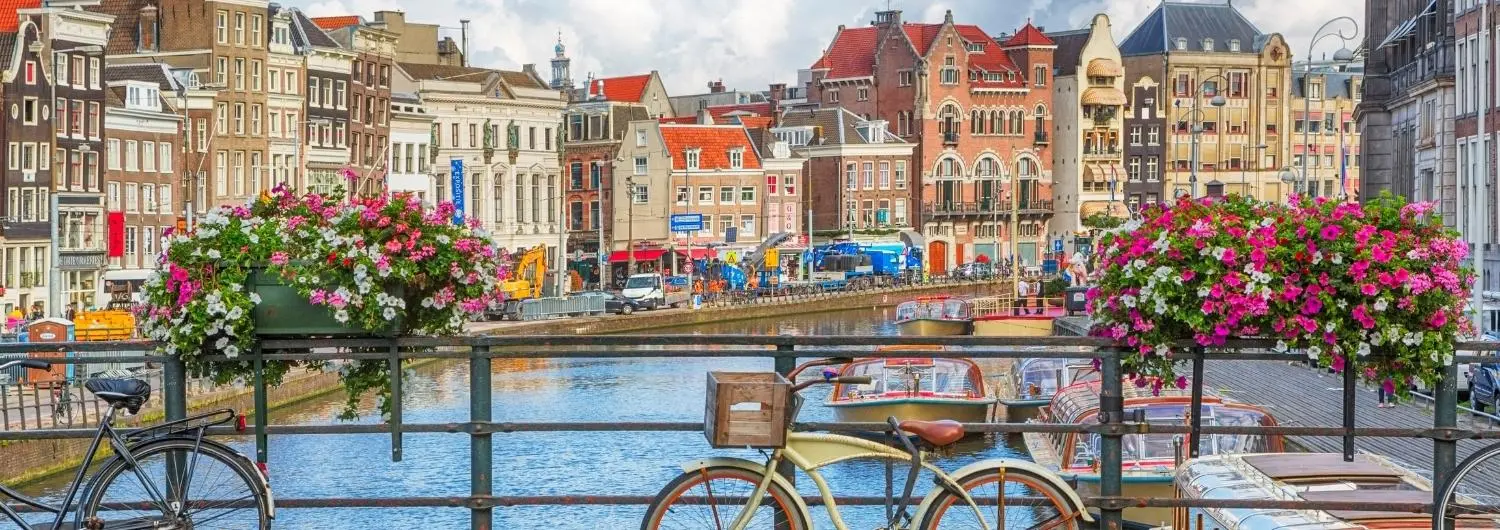
Netherlands, complete guide to visiting Holland
Visit Netherlands are a fascinating land ofEurope famous for its channelsits windmillsits tulips and its unique art of living. Often wrongly called HollandeThe Netherlands actually has twelve provinces, of which only two bear the name Holland: Septentrional-Holland and Meridional-Holland.
With a relatively small surface area but one of the highest population densities in the world, the Netherlands is a model of innovation and adaptation. They have succeeded in transforming a territory largely located below sea level into a prosperous, modern nation. Amsterdam, Rotterdam and The Hague, all located in Holland, concentrate the bulk of economic and political life, but other regions such as the Netherlands are also important. Frieslandthe Limburg or the Brabant-Septentrional also reflect the country's cultural and geographical diversity.
Discover the Netherlandsto immerse yourself in a world where modernity mingles with tradition, where the struggle against the sea shapes daily life, and where each province brings its own identity to the kingdom as a whole.
The Netherlands: overview
Visit Netherlands (Nederland in Dutch) are a country located in Western Europe, bordered by Belgium, Germany and the North Sea. Although many speak of Hollandethe official name is indeed Netherlandsand reflects a particular geographical reality: a large part of the territory is located below sea level. Thanks to an impressive system of dykes and polders, the Dutch were able to harness the power of the water to create habitable and agricultural land - one of the country's strongest identities.

With a surface area of around 41,500 km² of landThe Netherlands is relatively small compared with countries like France and Germany, but it has more than a million employees. 17.9 million inhabitants. This makes it one of the most densely populated countries in the world, with an average of over 430 inhabitants per square kilometre. The North Holland and the South Hollandwhich include cities such as Amsterdam, Rotterdam and The Hague, concentrate a large proportion of this population.
The official capital is Amsterdamknown for its canals, museums and cosmopolitan atmosphere. However, the seat of government, the International Court of Justice and the royal palace are located in The Haguelocated in South Holland. This distinction reinforces the confusion surrounding the HollandeThe two centers of power - economic and political - are located in this region.
Visit Netherlands are also renowned for their urban modernity and quality of life. Transport infrastructures are among the most efficient in Europe, with a deeply rooted cycling culture. The country is also a center of innovation and international trade, thanks in particular to its major ports such as Rotterdamone of the largest in the world.
In addition to Holland, other provinces such as Frieslandthe Brabant-Septentrional or the Limburg have their own cultural identity. These regions contribute to the diversity of the Netherlands, and explain why limiting the country to Holland alone does not reflect its full richness.
Tourism in Holland and the Netherlands
Tourism is one of the cultural and economic engines of the Netherlandsand the Hollande is home to many of the world's most popular destinations. Every year, millions of visitors flock to the country to discover its iconic cities, unique landscapes and historic heritage.
Dutch must-sees
Visit North Holland and the South Holland alone attract the majority of tourists. Amsterdam, the cultural and economic capital, is famous for its UNESCO-listed canalsRotterdam is a cosmopolitan city, with world-renowned museums (Rijksmuseum, Van Gogh Museum, Anne Frank House) and a cosmopolitan atmosphere. Rotterdam seduces with its modern architecture and its dynamic port, while The Hague, seat of government and the International Court of Justice, offers a blend of history and modernity.
The Dutch countryside is just as emblematic: fields of tulips colourful in spring, traditional mills like those in Kinderdijkpicturesque villages such as Zaanse Schans or Volendam. These images embody Holland in the collective imagination and reinforce the confusion between Hollande and Netherlands.
Discover the other provinces of the Netherlands
But it would be a mistake to reduce tourism to Holland alone. Visit Netherlands and beyond. Visit Frieslandwith its lakes and coastline, is ideal for water sports. Visit LimburgIn the south, the green hills contrast with the flatness of the rest of Holland. Utrecht, with its medieval old town and cathedral, offers authentic charm, while Groningen attracts lovers of art and academia.
A sustainable and accessible destination
Visit NetherlandsThe Netherlands, in particular, is committed to environmentally-friendly tourism. Cycling is the preferred means of transport to visit the cities, and the cycling infrastructure is among the best in the world. Visitors can explore canals, villages and natural landscapes without having to use a car.
The country also offers many cultural events: King's Day in Amsterdam, flower markets in Holland, music and art festivals throughout the country. This vitality contributes to the image of the Netherlands as a modern, festive and welcoming destination.
In short, if the Hollande is the country's tourist heartland, with every province of the Netherlands has something to offer. Travel beyond Amsterdam and Rotterdam and you'll discover an unsuspected diversity of culture and landscapes.
10 must-sees in the Netherlands
1. Amsterdam and its canals
The capital of the Netherlandslocated in North Hollandis world-renowned for its UNESCO World Heritage canals. Strolling along these waterways lined with narrow, colorful houses is an experience not to be missed. Visitors can explore the city by bateau-mouche, bicycle or simply on foot.
Amsterdam is also home to prestigious museums such as the Rijksmuseumthe Van Gogh museum and the Anne Frank HouseEach tells a vital part of the country's history and culture. Beyond its heritage, Amsterdam is a modern, cosmopolitan and dynamic city, renowned for its lively districts such as Jordaan and De Pijp. The combination of tradition and modernity makes it an ideal gateway to the rest of Europe. Hollande and Netherlands.
2. Rotterdam and its futuristic architecture
Located in South HollandRotterdam is the second-largest city in the Netherlands and a symbol of modernity. Almost completely rebuilt after the Second World War, the city stands out for its audacious architecture. Visit cubic housesthe Markthal with its huge colourful fresco, and the Euromast Tower are just some of the places to visit.
Rotterdam is also a major economic center thanks to its port, the largest in Europe, which embodies the country's commercial power. The city also boasts a number of museums, including the Boijmans Van Beuningen and the Maritime Museum. For lovers of urban planning and design, Rotterdam represents the avant-garde face of Europe. Hollandewhere innovation and creativity can be found around every corner.

3. The tulip fields of Keukenhof
In spring, the Hollande is transformed into an immense colourful mosaic thanks to its fields of tulipssymbol of the Netherlands. The floral park of Keukenhoflocated near Lisse, is the emblematic place to admire this explosion of color. Open only from March to May, it displays over seven million bulbs in bloom every year.
Visitors discover spectacular floral arrangements, themed greenhouses and landscaped gardens. The tulip, introduced in the XVIIᵉ century, has become a true national emblem and an important economic driver for Holland. To visit Keukenhof is to plunge into the floral soul of the Netherlands and understand why the tulip remains inseparable from the country's image around the world.
4. The Hague and its international institutions
Political capital of the Netherlandslocated in South Holland, The Hague is an elegant city, home to the government, the International Criminal Court and the International Court of Justice. In addition to its institutional role, The Hague is also a seaside town, thanks to its Scheveningenfamous for its beach and entertainment.
Visitors can discover the BinnenhofDutch political heartland, the Mauritshuis which houses Vermeer's famous painting "The Girl with the Pearl", or the miniature park Madurodam which presents a scale model of the Netherlands. The Hague perfectly embodies the balance between power, culture and quality of life, offering a vision that complements that of Amsterdam or Rotterdam.
5. The mills of Kinderdijk
Listed as a UNESCO World Heritage site, the mills of Kinderdijklocated in South Holland, represent one of the strongest symbols of the Netherlands. Built in the XVIIIᵉ century, these 19 mills were used to drain the land and combat flooding. Today, they bear witness to Dutch expertise in water management.
Visitors can stroll along the canals, visit the interior of some of the mills and learn about the engineering that shaped Holland. The site is particularly magical at sunrise and sunset, when the mills are reflected in the water. Kinderdijk is much more than a picturesque setting: it's an immersion in the history of the Netherlands and its constant battle against the sea.

6. Utrecht and its medieval old town
Often overshadowed by Amsterdam, the city ofUtrecht is one of the jewels of the Netherlands. Located in the heart of the country, it is famous for its Saint-Martin cathedral and its Domtoren tower, the tallest in the country. Utrecht is also famous for its unique canals, lined with quays where you'll find cafés and restaurants. This friendly, medieval atmosphere attracts locals and visitors alike. A lively university town, Utrecht also offers numerous museums and cultural events.
It reflects another facet of the Netherlands, far from the tourist frenzy of Holland, and seduces with its authenticity and warm atmosphere.
7. Holland's picturesque villages
Visit Hollande is home to several villages that seem frozen in time. These include Zaanse Schans is an open-air museum featuring traditional mills, wooden houses and artisan workshops. Volendama former fishing village, with its colorful houses, harbor and inhabitants sometimes dressed in traditional costumes.
Markenaccessible via a dike, also retains its authentic charm, with houses built on stilts. These villages offer a glimpse of traditional Dutch life, and are a must-see if you want to understand the rural identity of the Netherlands.
8. Friesland and its lakes
Visit Frieslandin the north of the Netherlands, is a very different province from Holland. Here, people still speak frisona recognized regional language. The region is renowned for its lakes and canalsIn summer, sailing and kayaking are the order of the day. In summer, sailing and kayaking are king, while in winter, conditions permitting, the frozen canals play host to ice-skating competitions, including the famous Elfstedentochtlinking 11 Frisian towns.
Friesland embodies a more authentic and natural side of the Netherlands, far from the hustle and bustle of the big Dutch cities.
9. Limburg and its green hills
In the south of the country, the Limburg contrasts sharply with Holland's hilly terrain. This province bordering Belgium and Germany offers bucolic landscapes, picturesque villages and a gastronomy influenced by its neighbors. Maastricht, its capital, is a charming city with a rich historical heritage.
Limburg also attracts visitors with its cycling trails winding through the hills and its vineyards, which are rare in the Netherlands. This region, less well known than Holland, deserves to be discovered for its warm atmosphere and unique identity.
10. Kröller-Müller Museum and De Hoge Veluwe Park
In the heart of the national park De Hoge Veluwein the province of Gelderland, is home to the Kröller-Müller Museumwhich houses the world's second-largest collection of works by Van Gogh. The museum also features modern sculptures in a magnificent garden. The park itself, with its forests, sand dunes and moorlands, is one of the most beautiful natural areas in Europe. Netherlands.
Visitors can explore the site by bike on the white bicycles provided free of charge. This combination of art and nature offers a unique experience, quite different from the urban frenzy of Holland.
History and culture of the Netherlands
The history of Netherlands is inseparable from that of the HollandeThis region has played such an important role in the country's development. From the Middle Ages onwards, the Dutch provinces, including Holland, established themselves as active trading centers. But it was XVIIᵉ centuryduring the famous Dutch Golden AgeHolland became the beating heart of commercial and maritime Europe.
At that time, cities like Amsterdam and Rotterdambased in Holland, dominated international trade. Major trading companies such as Dutch East India Company (VOC) and the West India Company (WIC) made the Netherlands famous the world over. This economic prosperity was accompanied by an immense cultural boom: painters such as Rembrandt, Vermeer or Frans Halsall linked to Holland, have had a lasting impact on art history.
But the culture of Netherlands is not limited to Holland. Each province has its own identity. Visit Frieslandfor example, retains its regional language, Frisian. The Limburg is marked by a strong Germanic cultural influence, while the province of Groningen has long been an agricultural and academic stronghold.
The Netherlands is also known for its tolerance and their progressive spirit. They were among the first countries to legalize practices that were pioneering in Europe: decriminalization of certain soft drugs, recognition of same-sex marriage in 2001, and advanced legislation on euthanasia. These societal choices reinforce the image of a modern, open country, far beyond the simple image of the Hollande.
Last but not least, Dutch culture is deeply marked by the relationship with water. Windmills, polders and dykes bear witness to centuries of struggle against the sea. This unique relationship with the environment has shaped urban planning, agriculture and even the mentality of the Dutch people. Holland, which has often been on the front line of this battle, symbolizes the collective identity that is today the strength of the Dutch people. Netherlands.
The Dutch economy today
The economics of Netherlands is one of the most efficient in Europe, and the Hollande plays a central role. Thanks to its strategic geographical location and openness to the North Sea, the country has become a key crossroads for international trade.
Economic weight concentrated in Holland
The two provinces of North Holland and South Holland are home to the country's major economic centers. Amsterdam, the financial capital, is home to numerous banking and technology institutions. Rotterdam is home to the Europe's largest portthe gateway for goods from Asia, America and the rest of the world. These two cities make Holland an economic powerhouse, pulling the whole of Europe together. Netherlands.
A country focused on innovation and exports
Despite its small size, the Netherlands is one of the world's leading exporters of agricultural products. Thanks to its ultra-technologicalDutch greenhouses and the Dutch agri-food industry supply millions of tons of vegetables, flowers and dairy products worldwide. The famous tulip industrya strong cultural symbol of Holland, is the best-known example.
At the same time green technologiesWater management and renewable energies have become sectors of excellence. The Netherlands has developed world-renowned expertise in flood control, with state-of-the-art infrastructure such as the Delta Workslocated partly in Holland.
A strong, resilient economy
In 2024, GDP in the Netherlands will exceed 1,100 billion euroswith an unemployment rate of less than 4 %. The country is enjoying steady growth, underpinned by domestic consumption and exports. According to economic forecasts, 2025 looks set to be a year of consolidation, with rising purchasing power and a still dynamic real estate market.
The Netherlands' economic stability is also based on its attractiveness to international companies. Many multinationals choose Holland as their European base, particularly in the logistics, finance and high-tech sectors.
An influence extending beyond Holland
Even if the Hollande While the region's economic power is concentrated mainly in Eindhoven, other regions also contribute to this prosperity. Eindhoven, in North Brabant, has become a major hub for technological innovation with the High Tech campus. Limburg and the north of the country also excel in industry and research. This confirms that, while Holland remains the economic heartland Netherlands contributes to the country's dynamism.
Daily life in the Netherlands
Daily life in the Netherlands reflects a unique balance between modernity, tradition and respect for the environment. Visit HollandeThe most densely populated region often embodies this Dutch way of life, but the whole country shares common values that set it apart from the rest of Europe.
The culture of cycling and soft mobility
One of the most emblematic images of the Netherlands is that of bicycles invading the streets. Visit HollandeThe Netherlands, and Amsterdam in particular, is famous for its cycling infrastructure, which facilitates daily commuting. More than 27 % of journeys made in the country are made by bike, a record figure in Europe. This cycling culture contributes not only to quality of life, but also to reducing pollution and making cities more user-friendly.
A tolerant and open society
Visit Netherlands are world-renowned for their progressive spirit. Visit Hollande has often been a pioneer in social reforms: legalization of same-sex marriage in 2001 (a world first), legislation on euthanasia, liberal policies on certain soft drugs. This openness is reflected in everyday life, where cultural diversity is accepted and valued. Holland's major cities are cosmopolitan and dynamic, welcoming communities from all over the world.
Traditions and gastronomy
Even if modernity dominates, the Netherlands traditions. In Holland, the festival of St. Nicholas (Sinterklaas) is particularly popular, marking the start of the festive season. On the gastronomic front, the Dutch appreciate their cheeses (Gouda, Edam, Leyden), street herring and the famous stroopwafels (waffles in syrup). Every province outside Holland adds its own local touch, enriching the country's culinary diversity.
A lifestyle focused on water and nature
Living in Netherlandsis also about living with water. Especially in Holland, people live surrounded by canals, dikes and polders. Water sports, such as sailing or ice skating on frozen canals in winter, are an integral part of local culture. Green spaces are also very much in evidence: urban parks, bicycle paths amid tulip fields and nature reserves easily accessible from the cities.
An enviable quality of life
Thanks to its infrastructure, economic stability and inclusive culture, life in the Netherlands is regularly ranked as one of the world's most pleasant places to live. Holland attracts many expatriates looking for a balanced work-life society, with great attention paid to the environment and collective well-being.
FAQ about Holland and the Netherlands
What's the difference between Holland and the Netherlands?
Visit Hollande corresponds to two provinces in the north-west of the country: North Holland and South Holland. On the other hand, the Netherlands refers to the entire kingdom, which includes 12 provinces in total. Using Holland to refer to the Netherlands is a common but inaccurate simplification.
Why do we call the Netherlands Holland?
Historically, the Hollande was the most influential region economically and politically, particularly during the Dutch Golden Age. Amsterdam, Rotterdam and The Hague, all located in Holland, still concentrate much of the country's power. That's why the name has come to refer to the whole of Holland. Netherlands in everyday language.
Which provinces make up Holland?
Visit Hollande is made up of two provinces: the North Holland (Amsterdam, Haarlem, Alkmaar) and the South Holland (Rotterdam, The Hague, Delft). These two territories account for almost 40 % of the total population of the Netherlands.
Is Holland an official region?
No. Since 1840, Holland has been split into two separate provinces. The term Hollande is no longer an official administrative entity. The Dutch government prefers to use the word Netherlands to represent the whole country.
What are the must-see tourist attractions in Holland?
Among the highlights of the Hollandewe find :
Amsterdam with its canals and museums,
Rotterdam and its modern architecture,
The Hague and its international institutions,
The mills of Kinderdijk,
The fields of tulips of Keukenhof.
What language is spoken in Holland and the Netherlands?
The official language of Netherlands is the Dutch (or "Dutch" in common usage). In some provinces, such as FrieslandFrisian is also spoken. English is widely spoken, especially in Holland and the big cities.
Is Holland richer than other parts of the country?
Yes, to a certain extent. Thanks to Amsterdam, Rotterdam and The Hague, the Hollande concentrates a large proportion of wealth and economic activity. However, other regions of Netherlandsregions, such as Septentrional Brabant (Eindhoven, a technology hub), also make a significant contribution to the national economy.
What is the capital of Holland?
Visit North Holland has as its capital Haarlemand the South Holland for capital The Hague. In contrast, the national capital of Netherlands is Amsterdamlocated in North Holland.
Is it wrong to refer to the Netherlands as Holland?
It's not incorrect in common usage, but it's not precise. The government and international institutions prefer the term Netherlandsbecause it represents all the provinces of the kingdom.
When is the best time to visit Holland?
Visit Hollande can be visited all year round, but spring (March to May) is the most popular season, when the tulips are in bloom. Summer is ideal for festivals and beaches, while winter offers a picturesque atmosphere, especially if the canals freeze over.
Conclusion
Visit Hollande occupies a central place in the history, economy and culture of the NetherlandsBut it's important to remember that it's only two of the twelve provinces in the kingdom. Although confusion between Holland and the Netherlands is still common, official usage now favors the term Netherlandsto showcase all the country's regions and their diversity.
Whether it's the canals of Amsterdam, the modern architecture of Rotterdam, the tulip fields or the landscapes of Friesland and Limburg, each province brings its own unique richness to the national identity. Holland remains a powerful symbol, but it's the whole of Europe that's the most important. Netherlands that reflect modernity, openness and Dutch quality of life.
For further information, please consult this encyclopaedic article which offers a detailed overview of the kingdom's history, geography and culture.
