
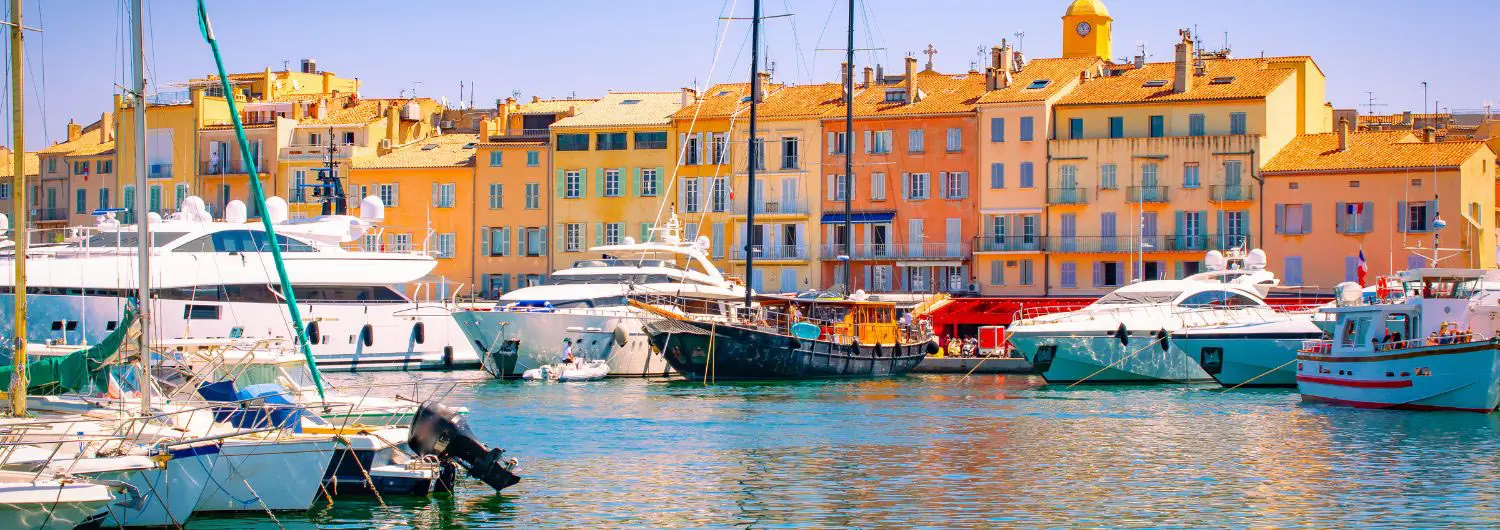
Mediterranean coast France
The Mediterranean at France embodies the dream of many travelers in search of sun, sea and cultural riches. Whether your heart is set on a lively seaside resort city Whether you're looking for a place steeped in art and history, a charming fishing village or a haven of unspoilt nature, the Mediterranean promises you discoveries to match your expectations.
This article aims to shed light on the many facets of this choice destination: from the mild year-round sea temperatures to sound advice on how to orchestrate your stay, we cover every aspect to guide you.
The Mediterranean in France is more than just a stretch of water; it represents a veritable crossroads of countries, cultures, languages and varied landscapes. It's a land rich in history, peopled by myths and legends, offering a diverse ecosystem where numerous marine and terrestrial species cohabit. However, it also faces the challenges of climate change and pollution. To discover the Mediterranean is to explore a unique universe that deserves our admiration and protection.
Destination Mediterranean: the perfect choice for a vacation in the sun
Why choose the Mediterranean for your vacations?
The Mediterranean is the destination of choice for memorable vacations. It's perfect for those in search of relaxation, discovery, sports or cultural activities. This mythical region promises satisfaction to all its visitors.
Here are just a few reasons why the Mediterranean is an ideal vacation destination:
- A pleasant climate : The region enjoys a mild, sunny climate, with temperatures around 15°C in winter and 28°C in summer. This means you can enjoy beaches and water sports almost all year round.
- A diversity of landscapes : The Mediterranean is distinguished by a breathtaking variety of landscapes, from sea to mountains, offering heavenly beaches, wild calanques, unspoilt islands, charming villages and towns rich in art and history.
- A rich cultural heritage : A crossroads of civilizations, the Mediterranean offers a rich historical and cultural heritage, marked by the influence of diverse peoples. Its gastronomy, famous for its flavors and health benefits, is also an asset.
The most beautiful beaches in the French Mediterranean
The French Mediterranean is full of dream beaches where you can relax and swim in crystal-clear waters. Here is a selection of the most beautiful beaches:
- Visit Grande Motte beachThis seaside resort in the Hérault region of France is renowned for its 7 kilometers of fine sand and water sports. It has been awarded the Pavillon Bleu label, a guarantee of environmental quality.
- Visit Saint-Clair beachin the VarIt offers white sand, crystal-clear water and lush vegetation. Located in Le Lavandou, it promises an idyllic setting.
- Visit calanque d'En-Vauin the Bouches-du-RhôneIt can be reached by boat, canoe or hike. It is famous for its wild setting and emerald waters.
- Visit Pampelonne beachnear Saint-Tropezknown for its high-end services and celebrity clientele.
- Visit Santa Giulia beach at Corsicawith its fine sand, crystal-clear water and mountain views, is a true paradise.
Must-see activities in the Mediterranean
The Mediterranean offers a multitude of activities for adventure, nature and culture lovers:
- Visit the Pelagos sanctuarya marine protected area between France, Italy and Monaco, to observe dolphins, whales and sperm whales.
- Attend the Paris Olympic Games in 2024with events on the Mediterranean coast, and enjoy the festivities.
- Discover Familytrip's kids clubs on the Côte d'Azuroffering family-friendly holidays with activities for children and comfortable accommodation.
Mediterranean sea temperature: a decisive factor for bathers
Changes in sea temperature over the year
The temperature of the Mediterranean Sea fluctuates with the seasons, regions and currents. It is generally warmer in the east than in the west, and warmer in the south than in the north. On average, it is around 20°C year-round, rising to 30°C in summer in certain areas such as Antalya in Turkey or El-Arich in Egypt. In winter, it can drop to 12°C in places like Gibraltar or Quend-Plage in the Somme.
Consult the Mediterranean Sea water temperature map in real time on ÇaBaigne.net.
Impact of temperature on the bathing experience
Water temperature has a major influence on the pleasure of bathing in the Mediterranean. Depending on taste, water can be considered too cold, too warm, or just right. Water between 18°C and 22°C is considered cool, between 22°C and 26°C pleasant, and above 26°C warm. Perception of the ideal temperature also varies according to the day's weather, including air temperature, wind and sunshine. For example, water at 22°C may seem cold on a cloudy day, and at 18°C lukewarm in 30°C sunshine.
Seasonal tips for enjoying the Mediterranean Sea
Choosing the right time to visit the Mediterranean depends on your preferences and budget. Here are a few tips:
- Summer, from June to September, is ideal for those who like it hot and lively. It's the time when the sea is warmest and activities abound, but it's also the most expensive and crowded.
- Spring, from March to May, and autumn, from October to November, are perfect for those seeking peace and quiet. The sea remains pleasant and the places less crowded, offering a great opportunity to discover the local heritage and culture without the summer crowds.
- Winter, from December to February, is ideal for those in search of coolness and calm. Although the sea is colder, it's the perfect opportunity to admire the scenery and enjoy cultural attractions without the crowds, while keeping an eye on weather conditions and available services.
Plan your trip to the Mediterranean: practical tips
Best time to visit the French Mediterranean
Exploring the French Mediterranean is a rewarding experience all year round, with each season offering its own advantages. Here are some tips for choosing the perfect time for your trip:
- Climate : With its Mediterranean climate, the region promises hot, dry summers and mild, wet winters. Average temperatures reach 28°C in July and 12°C in January. Rainfall is more common in autumn and winter, particularly on the western coast. The mistral, a cold, powerful wind, can blow at any time, but is more frequent in winter and spring.
- Attendance : A popular destination, especially in summer, the French Mediterranean sees an influx of national and international tourists. For those who enjoy the hustle and bustle, summer is perfect. For a quieter stay, spring or autumn offer a pleasant climate and magnificent landscapes without the crowds. Winter is ideal for discovering cultural and historical sites or for hiking, although it is the coldest and rainiest period.
- Events : The region abounds with events throughout the year, including the Cannes Film Festival in May, the Nice Carnival in February, the Lavender Festival in July, and the Lyon Festival of Lights in December.
Accommodation: from luxury camping to private villas
The French Mediterranean offers a vast choice of accommodation to suit all tastes and budgets:
- Camping : For an economical and convivial stay. Choose between a pitch for tent, caravan or motorhome, or opt for a mobile home, bungalow or chalet for added comfort. Some campsites offer luxury services such as swimming pools, spas and entertainment.
- Hotel : For a practical and comfortable stay, with a wide choice of establishments ranging from the simple to the prestigious, some offering sea views, terraces, gardens or swimming pools.
- Vacation rentals : For greater flexibility, rent an apartment, house or villa. Enjoy space, privacy and sometimes even luxuries such as jacuzzis, saunas or private pools.
How to get there Transport and recommended routes
Access to the French Mediterranean is easy, whether by road, rail, air or sea:
- Road : Ideal for a trip at your own pace, discover the varied landscapes via freeways or picturesque roads. Car rental offers freedom and flexibility.
- Train : A fast, eco-friendly option. The TGV connects Paris to Marseille or Nice in just a few hours. The TER serves local towns and seaside resorts.
- Plane : Time-saving, with scheduled and low-cost flights to many regional airports.
- Boat : An original way of discovering the Mediterranean, with ferries to Corsica, Italy and France.Spainor rent your own sailboat or catamaran for greater autonomy.
Conclusion
The Mediterranean in France is a dream destination for memorable vacations. Whether your quest is for sun, sea, culture or nature, the shores of this legendary sea are sure to satisfy your desires. Water temperature, ranging from 12°C to 30°C depending on the season and region, will play a key role in your bathing experience.
A vast choice of accommodation awaits you, from luxury campsites to private villas, not to mention a variety of means of transport, from traditional roads to boat trips. You'll also have the opportunity to discover the events, activities and unique landscapes that contribute to the richness and diversity of the French Mediterranean.
Don't delay, plan your Mediterranean getaway now. It's an experience you won't regret!
FAQ
Where is the Mediterranean Sea in France?
In France, the Mediterranean Sea stretches along the southern coast, encompassing the regions of Provence-Alpes-Côte d'AzurLanguedoc-Roussillon and Corsica. It's framed by magnificent beaches, bustling harbors and popular towns and resorts, attracting millions of visitors every year.
Where does the Mediterranean end?
The Mediterranean extends as far as the Strait of Gibraltar in the west, forming a passageway to the Atlantic Ocean, and reaches the Sea of Marmara in the east, which connects it to the Black Sea. To the southeast, it is linked to the Red Sea by the Suez Canal.
Which country is part of the Mediterranean?
There are twenty-three countries bordering the Mediterranean, including fifteen European countries, five African countries and three Asian countries. For a complete list of these countries, please refer to the article [List of countries bordering the Mediterranean] on Wikipedia.
Why is it called the Mediterranean?
The name "Mediterranean" comes from the Latin mediterraneusmeaning "sea in the middle of the land". This term perfectly describes its geographical position, being surrounded by theEuropeAfrica and Asia.
