
Discover Lavaur: location and presentation
Where is Lavaur in the Tarn
The city of Lavaur is located in the Tarn department, in the Occitanie region of south-western France. It is approximately 40 kilometers from Toulouse, This makes it an easily accessible destination for a day trip from metropolitan Toulouse.
Situated on the banks of the Agout river, the town enjoys a pleasant natural environment characterized by green hills, agricultural fields and typical southwestern landscapes. This geographical location places the town on the border between several important tourist areas: the Tarn, the Lauragais and the Toulouse region.
Thanks to this strategic position, the commune is often an ideal starting point for exploring the Tarn and discovering its villages of character.
A historic town between Toulouse and Albi
Enter Toulouse and Albi, Lavaur occupies a central position that has played an important role in its historical development. During the Middle Ages, the town was already an active economic center, thanks in particular to trade and agricultural exchanges.
The proximity of major cities such as Toulouse has fostered cultural and economic exchanges, enabling Lavaur to maintain a dynamic business while preserving its authentic character.
Even today, the town benefits from this privileged location, making it easy for visitors to discover the Tarn's heritage.
Population, geography and characteristics of Lavaur
With approximately 10,000 inhabitants, Lavaur is one of the Tarn's dynamic small towns. It combines the advantages of a town on a human scale with the services needed to welcome visitors.
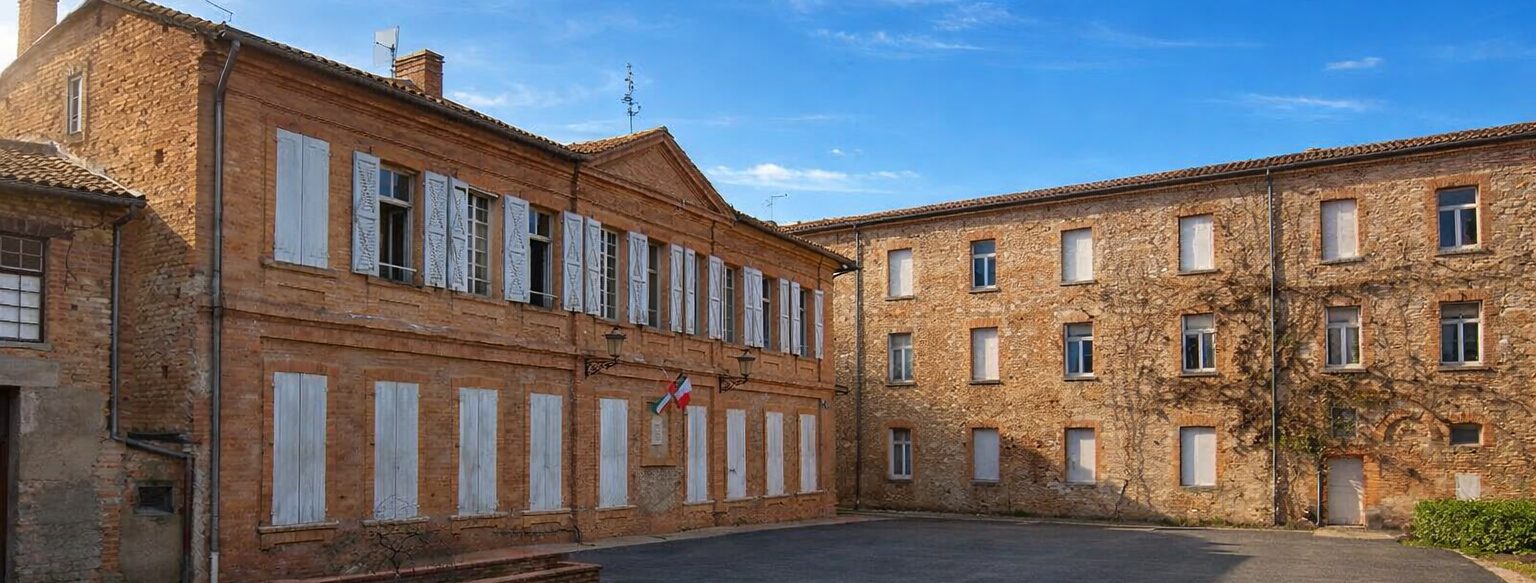
Downtown Lavaur is distinguished by its red brick buildings, typical of regional architecture. This warm color gives the town a distinctive visual identity, reminiscent of the architectural aesthetics of Toulouse.
The commune also boasts an active commercial fabric, cultural facilities and a number of local events that help to liven up daily life.
Why visit Lavaur
A medieval town full of charm
Visit Lavaur allows visitors to discover a town that has preserved much of its medieval heritage. Strolling through the streets of the historic center, visitors can observe ancient buildings, lively squares and several monuments that bear witness to the city's rich past.
The charm of Lavaur is its typical south-western architecture. The red-brick buildings characteristic of the region give the town a warm, authentic atmosphere. This architectural style, which can also be found in a number of neighboring towns, is one of the elements that make the town so attractive. Lavaur immediately recognizable.
The narrow streets and historic squares also provide an insight into the organization of medieval towns in the Tarn. This urban structure, still clearly visible today, contributes to the heritage interest of Lavaur and attracts lovers of history and architecture.
A remarkable heritage in the Tarn
Heritage is one of the main tourist attractions of Lavaur. The town boasts a number of historic monuments illustrating different periods in its history.
Among its most famous landmarks, Saint-Alain Cathedral occupies a central place in the cityscape. This impressive monument dominates the city and is one of the best-known symbols of Lavaur. Its brick architecture and imposing bell tower attract many visitors throughout the year.
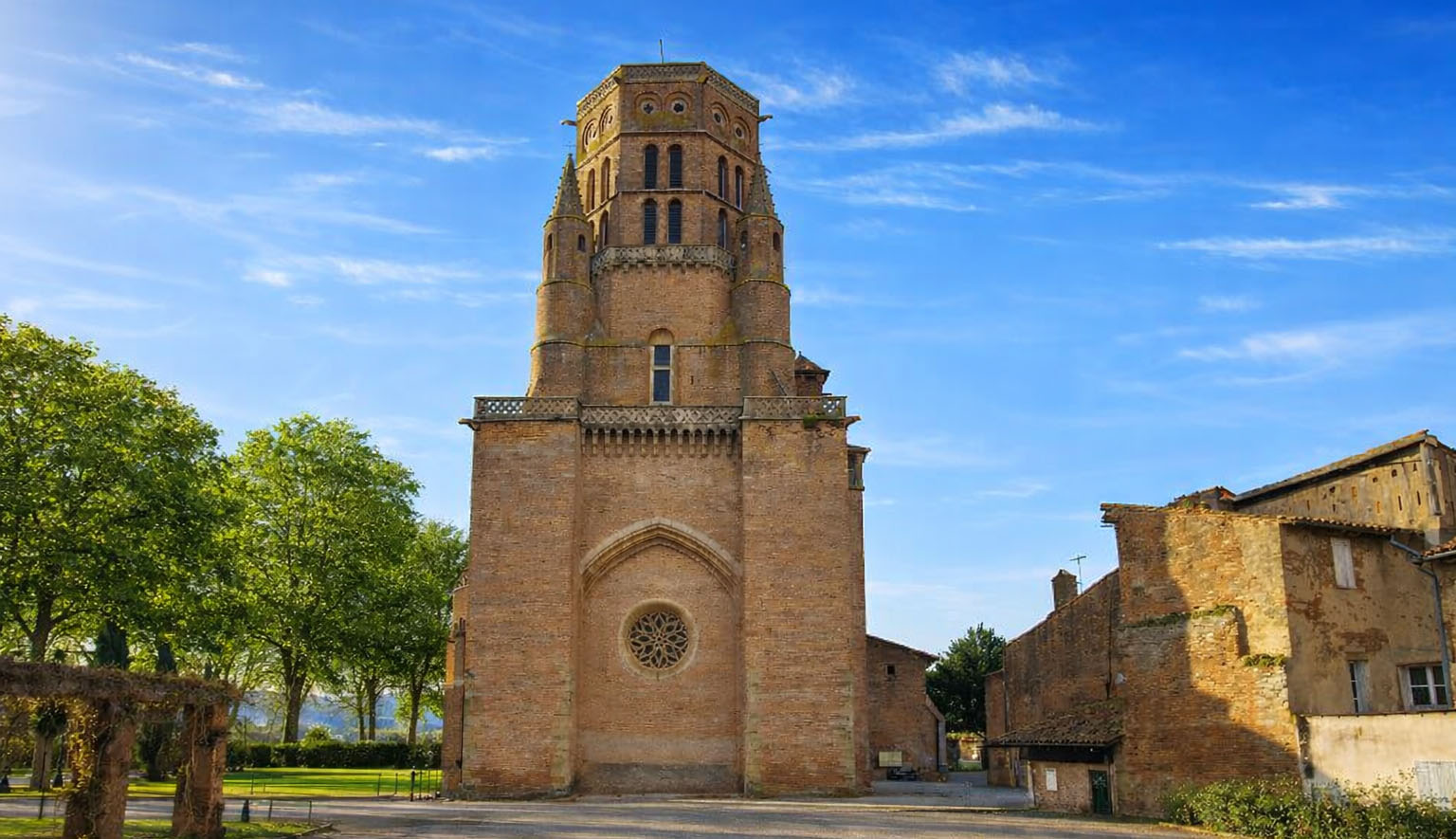
Another emblematic feature is the Jacquemart, an ancient mechanism that strikes the hours from the cathedral bell tower. This particularity is one of the local curiosities that contribute to the tourist reputation of Lavaur.
In addition to these monuments, the city also boasts a number of historic buildings and old quarters that are well worth exploring.
An ideal destination for a getaway in Occitania
Thanks to its human scale and peaceful atmosphere, Lavaur is an ideal destination for a getaway in the Occitanie region. Unlike some of the larger tourist towns, the commune offers a peaceful setting where you can discover the region's heritage at your own pace.
Visitors appreciate the friendly atmosphere of the town center, the local markets and the many shops that contribute to the vitality of the town. Lavaur. This pleasant atmosphere makes it the perfect place to spend a day or a weekend.
The town also serves as a starting point for exploring other tourist sites in the Tarn. From Lavaur, The region's many picturesque villages, natural landscapes and discovery trails make it easy to explore the wealth of this south-western region.
What to see and do in Lavaur
Must-sees in Lavaur
Located in the Tarn department, Lavaur has a remarkable heritage that allows visitors to discover the history and identity of this southwestern town. The first monument that catches the eye is the Saint-Alain cathedral, This emblematic building was constructed in red brick between the XIIIᵉ and XIVᵉ centuries. Its bell tower houses the famous Jacquemart, a mechanism consisting of metal figures that strike the hours. This ancient device is one of our best-known curiosities.
Just a few steps from the cathedral, visitors can also discover the place du Vieux-Marché, A central place in local life. Every Saturday morning, the traditional market brings together producers and traders from all over the Tarn. Fruit, cheese, charcuterie and regional specialities are on offer in a friendly atmosphere that reflects the authenticity of the town.
As you stroll through the historic center, you'll notice the brick facades typical of southern architecture. Several old streets, such as rue Père-Colin and rue de l'Horloge, still feature historic buildings that bear witness to the town's urban evolution.
Museums, heritage and local culture
Even if the town remains modest in size, Lavaur has a number of sites to help you understand its heritage. The Bishop's garden, located near the cathedral, is a pleasant place to stroll and enjoy views of some of the city's historic monuments.
Religious heritage also plays an important role in local history. The Saint-François church and a number of old buildings are reminders of the religious and administrative role the commune has played in the region over the centuries.
Local culture is also expressed through various events organized throughout the year. Concerts, exhibitions and cultural events are regularly held in the town center, helping to revitalize local life and boost tourist appeal.
Walks and hikes around Lavaur
Beyond its monuments, Lavaur is easily discovered on foot. The historic center is a great place to stroll, with its shopping streets, cafés and lively squares.
Visitors can also enjoy the banks of the Agout and the rural landscapes of the Tarn nearby. The surrounding country roads and hills offer many routes for hikers and cyclists.
Thanks to this combination of historical heritage, local life and natural landscapes, the town offers a complete tourist experience that appeals to history buffs and travelers looking for a peaceful getaway.
Lavaur's architectural heritage
Saint-Alain Cathedral, Lavaur
The most emblematic monument in Lavaur is undoubtedly Saint-Alain Cathedral. Located in the heart of the historic center, this imposing structure dominates the city and is one of the most important landmarks in the urban landscape.
The present cathedral was built mainly between the XIIIᵉ and XIVᵉ centuries. Its architecture is characteristic of the Southern Gothic, This is an architectural style found in many towns in south-west France. The red bricks used in its construction give the building a massive yet elegant appearance.
Every year, this monument attracts many visitors who come to discover the religious and architectural history of the town. Inside, the cathedral features a number of remarkable elements, including sculptures, stained glass windows and various liturgical objects that bear witness to the town's religious past.
Today, Saint-Alain Cathedral is one of the strongest symbols of Lavaur and is an essential part of any visit to the historic center.
The Jacquemart, symbol of the city
Among the most original sights of Lavaur, The Jacquemart occupies a special place. Installed in the bell tower of Saint-Alain cathedral, this ancient mechanism strikes the hours using several metal figures.
The Jacquemart is made up of figures that operate the bells every hour. This device attracts the curiosity of visitors and is a typical attraction of the town. Few French towns have a similar mechanism that can still be seen today.
According to local history, this system was installed several centuries ago and is an important part of the local heritage. Lavaur. It contributes to the city's cultural identity and is one of the elements that visitors remember.
Even today, the Jacquemart remains one of the most original symbols associated with Lavaur.
Historic buildings in the old town center
Beyond its most famous monuments, Lavaur has a historic center rich in old buildings. As you stroll through the streets of the town center, you'll see many old brick houses.
These buildings bear witness to the town's urban evolution over the centuries. Some facades still feature architectural elements characteristic of different historical periods, notably the Middle Ages and the modern era.
The old town is a true testimony to the past. The narrow streets, squares and historic buildings provide a better understanding of the town's organization and evolution.
What to see around Lavaur
Located in the Tarn department, Lavaur is an excellent starting point for exploring many of the tourist destinations in south-west France. Thanks to its location between Toulouse and Albi, the city offers easy access to many of Occitanie's historic sites, medieval villages and characteristic landscapes. Visitors staying in the municipality can organize various excursions to discover the heritage and culture of the Tarn.
Albi, the UNESCO-listed episcopal city
About 45 kilometers from Lavaur, Albi is one of the department's most famous destinations. Its historic center is a UNESCO World Heritage Site and attracts many visitors every year.

Sainte-Cécile Cathedral is one of the region's most impressive monuments. Built of red brick, it dominates the historic center and is an outstanding example of Southern Gothic architecture. Visitors can also discover the Toulouse-Lautrec museum housed in the Palais de la Berbie.
From the city, A trip to Albi is an opportunity to discover an exceptional architectural ensemble.
Gaillac and the Tarn vineyards
The town of Gaillac is about thirty kilometers from Lavaur and is particularly well known for its vineyards. This wine-growing region is considered one of France's oldest terroirs.
Visitors can tour the wineries, take part in tastings or discover the town's historic heritage. Saint-Michel Abbey and the quays of the Tarn are also well worth a visit.
An excursion from the municipality to Gaillac allows you to explore an area renowned for its wines and landscapes.
Toulouse, the famous Pink City
About 40 kilometers from Lavaur, Toulouse is one of the great cities of southwest France. Nicknamed the «Pink City» for its brick buildings, it boasts a remarkable architectural heritage.
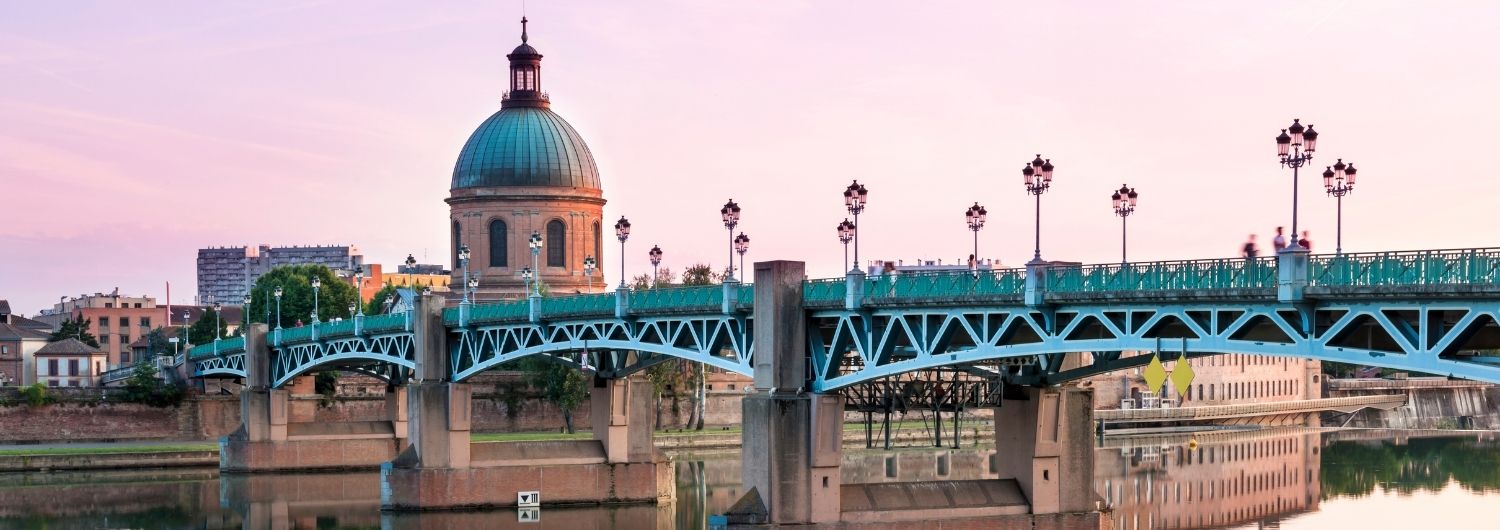
Visitors can explore the Place du Capitole, the Basilique Saint-Sernin and the quays of the Garonne. Toulouse also boasts numerous museums and a particularly dynamic cultural life.
An excursion from the city allows you to discover a major regional metropolis.
Cordes-sur-Ciel, a spectacular medieval village
One of the most famous villages in the Tarn, Cordes-sur-Ciel is a must-see destination. Located some 60 kilometers from Lavaur, This perched village offers a remarkable panorama of the surrounding countryside.
Its cobbled streets, Gothic houses and artisan workshops create a unique atmosphere. The site attracts many visitors wishing to discover one of Occitanie's most famous medieval villages.
An excursion from the municipality to this village allows you to explore an emblematic site of the region's heritage.
The historic center of Lavaur
Emblematic streets and squares
The historic center of Lavaur is one of the most pleasant areas to explore on a city tour. This ancient district retains an urban organization inherited from the Middle Ages, with narrow streets, lively squares and several historic buildings.
Walking through the narrow streets in the heart of the town, visitors gradually discover the town's architectural identity. The red-brick facades, typical of the south-west, dominate the urban landscape, giving the whole a particular harmony.
Some squares also play a central role in local life. They host markets, events or simply the daily lives of local residents. These public spaces contribute to the town's charm, and offer popular meeting places for visitors and residents alike.
Old houses and local architecture
Traditional architecture is one of the most interesting aspects of the historic center of Lavaur. Older houses often feature brick facades, sometimes decorated with architectural elements that bear witness to the different construction periods.
These buildings illustrate the town's evolution over the centuries. Some of the dwellings date back to medieval times, while others date from more recent periods of town development.
By observing these buildings, it's possible to better understand the local history and architectural influences that have shaped Lavaur. The visual coherence of the whole contributes to the special atmosphere of the town center.
The history of Lavaur
Lavaur during the Albigensian Crusade
One of the most memorable episodes in the history of Lavaur takes place in the early XIIIᵉ century, during the Albigensian Crusade. This conflict pits Catholic forces against the Cathars, a religious movement present in southern France.
In 1211, Lavaur became the scene of a major siege by Simon de Montfort's troops. After several weeks of fighting, the town was taken and experienced a particularly violent episode in its history.
Medieval chronicles recount the events that followed the city's fall, leaving a lasting mark on our collective memory. Today, this episode is one of the best-known historical events connected with the municipality.
The Albigensian Crusade had a profound effect on the region's history, influencing the political and religious development of many towns in the southwest, including Lavaur.
FAQ: Frequently asked questions about Lavaur
Where is Lavaur in France?
The city of Lavaur is located in south-west France, in the Tarn department, in the Occitanie region. It lies some 40 kilometers from Toulouse, and is one of the region's historic towns. Thanks to its geographical position, the commune is easily accessible by car or train from many of the region's major cities.
What's on offer in Lavaur?
Several sites are must-sees on a visit to Lavaur. St. Alain's Cathedral is the city's most famous landmark, attracting many visitors. The Jacquemart, installed in its bell tower, is also a unique sight. Finally, the historic center and its ancient alleyways allow you to discover the town's traditional architecture and authentic atmosphere.
What's the town known for?
The city is best known for its historical and religious heritage. Saint-Alain Cathedral and the Jacquemart are two of the city's landmarks. the city. Local medieval history, including events linked to the Albigensian Crusade in the XIIIᵉ century, also contributes to its historical notoriety.
How many people live in the commune?
The commune has a population of around 10,000 inhabitants. This population makes Lavaur a dynamic small town in the Tarn region, offering both urban services and the friendly atmosphere typical of medium-sized towns.
Can you visit Saint-Alain Cathedral?
Yes, Saint-Alain Cathedral is open to the public and is one of the city's main tourist attractions. Visitors can admire its brick architecture and discover some of its inner heritage. A visit to this monument is often considered an essential part of a visit to the city.
When to visit?
The town can be visited all year round, but spring and summer are often the most pleasant periods. Markets, cultural events and strolls through the historic center allow you to take full advantage of the local atmosphere and discover the heritage of this Tarn town.
