
Lorient
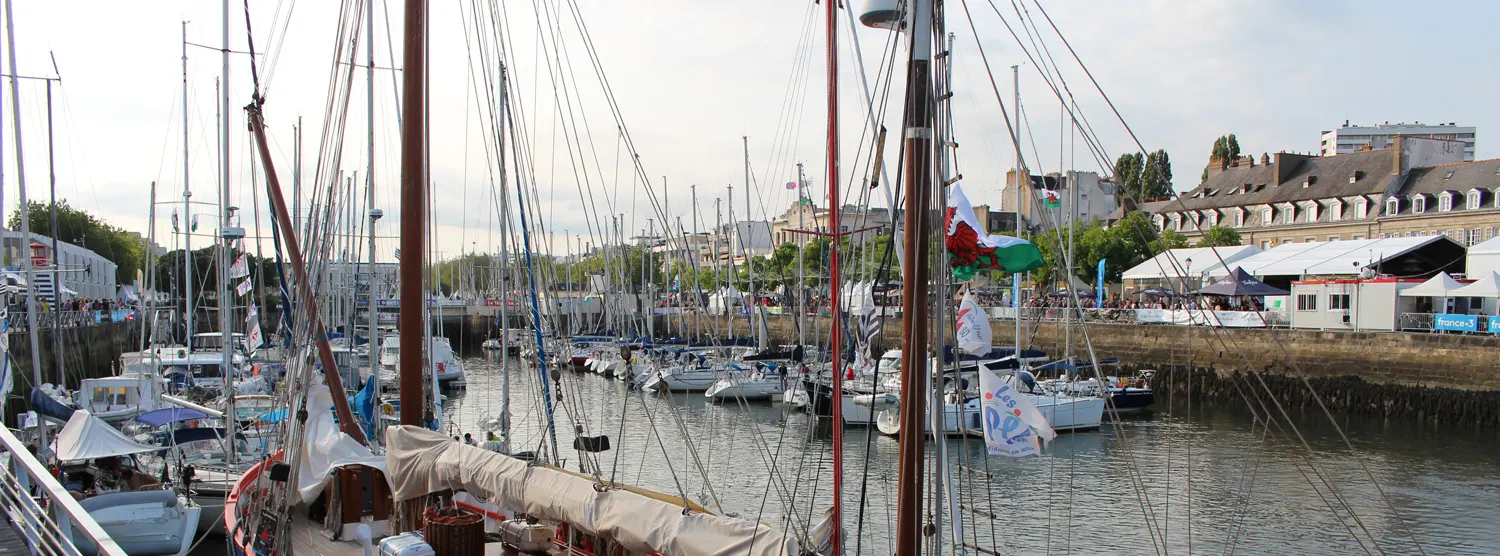
Located in the Morbihan at BrittanyLorient, a port city, is renowned for its vast maritime, cultural and historical heritage. This city invites you to explore its many attractions, including five distinct ports, the renowned Interceltic Festival, an impressive citadel, the Compagnie des Indes museum, the Flore submarine and many other gems.
This ultimate guide aims to take you on a journey through Lorient, immersing you in its fascinating history marked by periods of prosperity and desolation, from its foundation by the East India Company to its post-World War II renaissance.
Découvrez les trésors culturels incontournables de Lorient, notamment le festival interceltique, un événement phare qui attire annuellement des milliers d’aficionados de la musique et de la danse celtiques. Vous serez également invité à participer à des activités captivantes et des expériences enrichissantes qui agrémenteront votre séjour à Lorient, qu’il s’agisse de faire de la voile, de pêcher, de randonner ou de savourer la gastronomy local.
Dive into Lorient's history
The origins of the town and its development over the centuries
Founded in 1666 following the granting of land by Louis XIV to the French East India Company at Le Faouédic, Lorient rapidly expanded through maritime trade with Asia, Africa and the West Indies.
It established itself as France's leading port for spices, cloth, coffee and sugar, and went through a dark period with the slave trade.
As early as 1688, Lorient also took on a military dimension, with the installation of an arsenal by the Royal Navy for the construction and fitting out of ships. This arsenal was at the origin of numerous naval vessels, including the first French battleships.
Conflicts such as the Seven Years' War, the French Revolution and the Napoleonic Wars had a profound effect on the city's economy and population.
Visit heritage maritime et l’héritage de la Compagnie des Indes
Lorient is a city that has preserved many elements of its rich maritime and colonial past. Among the most remarkable is the Port-Louis citadel, guarding the entrance to the Lorient roadstead. Today, it houses the Musée de la Marine and the Musée de la Compagnie des Indes, dedicated to the history and legacy of the Compagnie des Indes, a pillar of prosperity for the town and its shipowners.
The museum boasts an impressive collection of artefacts, maps, models and costumes from Asia, Africa and America.
With its five ports, Lorient illustrates the diversity of its maritime activities, from the fishing port of Keroman, a leader in Europe, to the yachting, commercial and military ports, not forgetting the passenger port. Highlights include the Flore submarine, on display at the Musée Sous-Marin du Pays de Lorient, and the Éric Tabarly sailboat, a tribute to the famous yachtsman.
World War II bunkers and the Keroman submarine base
Lorient experienced tragic times during the Second World War, when it was almost destroyed by Allied bombing in early 1943, following the establishment by the Germans of the largest submarine base at the time on the Keroman peninsula.
This installation, comprising three gigantic bunkers, housed the U-Boote fleet, posing a serious threat to Allied convoys in the Atlantic.
Indestructible to assault, the Keroman base was not liberated until the German surrender in May 1945. The site has been transformed into a place of remembrance and culture, offering exhibitions, concerts and guided tours. Since 2000, it has been listed as a UNESCO World Heritage Site as part of the Atlantic Wall.
Lorient's cultural highlights
The Festival Interceltique de Lorient: an annual highlight
For Celtic music and dance fans, the Festival Interceltique de Lorient is a must-see event every August. Launched in 1971, this major event attracts artists and spectators from Brittany, Ireland, Scotland, Wales, Galicia, Asturias, Cornwall and the Isle of Man.
For ten days, immerse yourself in a world of concerts, shows, parades, events, exhibitions and conferences dedicated to Celtic culture. You'll also have the opportunity to taste Celtic gastronomic specialities and learn about the Breton language. The festival culminates in the Great Parade of Celtic Nations, with over 3,000 musicians and dancers taking to the streets of Lorient.
The Cité de la Voile Éric Tabarly and discover the world of ocean racing
The Cité de la Voile Éric Tabarly, located in Lorient la Base, is an essential stop-off point for sailing enthusiasts. This interactive museum offers a fascinating immersion into the world of ocean racing, with exhibitions, simulations, workshops and films. Admire legendary boats such as Éric Tabarly's Pen Duick VI and Franck Cammas' Groupama 3.
You can also try your hand at sailing by taking part in an outing accompanied by professionals.
The Compagnie des Indes Museum and the Underwater Museum
If you're curious about Lorient's history and heritage, the Musée de la Compagnie des Indes and the Musée sous-marin, both located in the Port-Louis citadel, are a must-see. The Musée de la Compagnie des Indes transports you back to the glorious days when Lorient was France's leading port for trade with Asia, Africa and the West Indies, thanks to a collection of artifacts, maps, models and costumes.
The Underwater Museum invites you to discover the fascinating world of maritime archaeology, with objects from shipwrecks, accounts of sea rescues and reconstructions of underwater scenes.
Activities and experiences to enrich your stay
Walks and city tours in Lorient
Explorez Lorient à pied, à vélo ou en segway et choisissez parmi de nombreuses promenades et circuits urbains. Découvrez les quartiers pittoresques, les monuments historiques, les fresques murales dynamiques et les anecdotes fascinantes de la ville. Le circuit du patrimoine vous emmènera sur les traces de la Compagnie des Indes, de l’arsenal et de la reconstruction. Pour les amateurs d’art urbain, le circuit street art offre un panorama des œuvres d’artistes locaux et internationaux. Pour une expérience enrichissante, laissez-vous guider par un audioguide ou une application mobile racontant l’histoire et les secrets de Lorient.
Parks, gardens and green spaces: breathing and relaxing
Lorient, a green city, boasts numerous parks, gardens and green spaces, perfect for breathing and relaxing. Visit Parc Jules Ferry, with its lawns, majestic trees, children's play areas and bandstand. Don't miss the Jardin des Plantes, featuring exotic, Mediterranean and tropical plants, a greenhouse and a magnificent rose garden. And don't miss the Etang du Ter, ideal for hikers, with its paths, picnic areas, water sports and bird sanctuary.
Discover the local gastronomy and markets of Lorient
Lorient, a city of gourmet delights, invites you to explore the culinary delights of Brittany. Enjoy the famous crêpes, kouign-amann, far breton, as well as cider and chouchen. Seafood such as oysters, mussels, langoustines, sardines and lobster will delight the palate. Also discover seaweed cheeses, craft beers, chocolates and salted butter caramels. Visit Lorient's colorful and lively markets, including the famous Marché de Merville, open on Wednesday and Saturday mornings, with over 200 stands selling fresh, local and organic produce.
Conclusion
Lorient, with its rich maritime heritageopens doors to history, culture, nature and gastronomy. As you explore this city, you can delve into its colonial past, appreciate its military importance, and share its passion for sailing. Its Interceltic Festival is an invitation to celebrate the diverse Celtic cultures, thrilling you to the rhythm of captivating traditions.
The city offers a multitude of activities and experiences: from relaxing strolls to gourmet delights, Lorient knows how to charm visitors with its dynamism, authenticity and unique charm.
Don't miss the opportunity to discover Lorient. Book your stay now and let yourself be seduced by everything this exceptional city has to offer. It's an experience you'll never forget!
FAQ
Is Lorient a beautiful city?
Indeed, Lorient is admired for its many attractions. Recognized as a "Ville d'Art et d'Histoire" as well as a "Sites et cités remarquables", the town also stands out as one of the most pleasant places to live in France. Its pleasant surroundings, nestled between sea and river, are a special feature.
Where to go for a walk in Lorient?
Lorient propose diverses escapades pour les promeneurs. Selon vos préférences, visitez la Cité de la Voile Eric Tabarly pour une immersion dans le monde de la voile et des courses océaniques, ou découvrez l’île de Groix, un joyau naturel doté de landscapes variés et de beaches splendides.
Which district to visit in Lorient?
In Lorient, the recommended neighborhoods to visit are Centre-Ville, Université-Blum and Merville. They boast a rich historical heritage, a strong maritime culture, a dynamic commercial life and a warm atmosphere.
What was Lorient called before?
Historically, Lorient was known as An Oriant, Breton for "the east". This name echoes its strategic position, facing east and east, close to the island of Groix and the river Blavet.
