
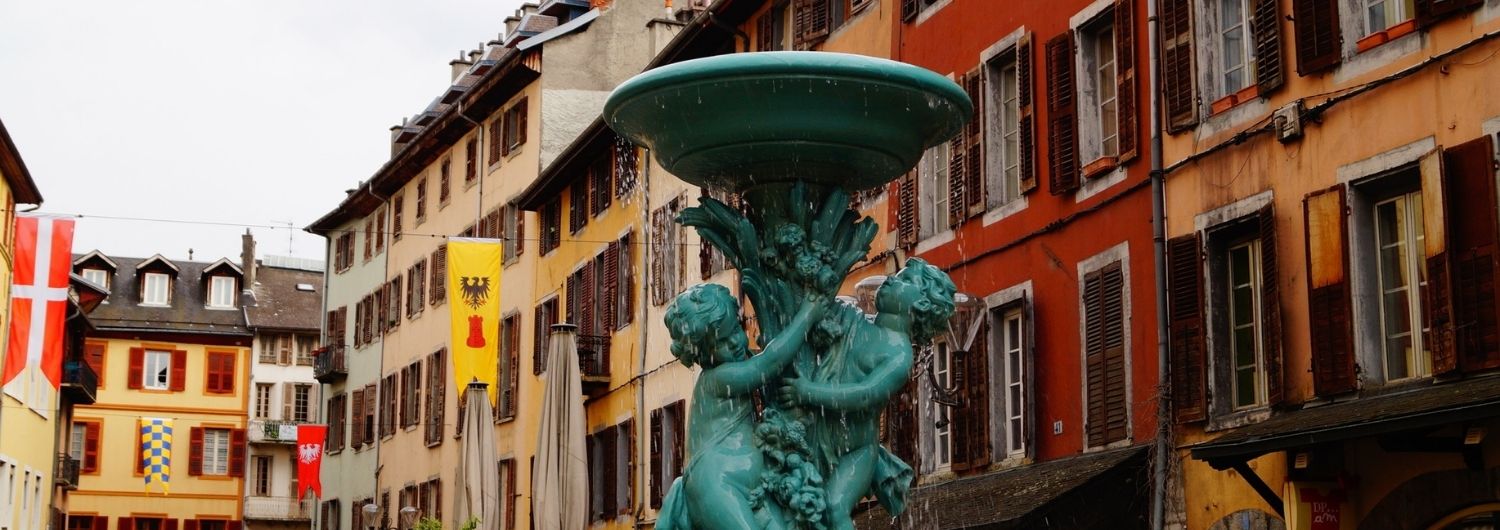
Chambéry: a complete guide to the Savoyard capital
Summary
Chambéry is a historic city located in the department of the Savoie, known for its rich heritage, its role as the former capital of the States of Savoy and its proximity to the Alps. Chambéry attracts visitors thanks to its historic center, its emblematic monuments and its exceptional natural environment. This comprehensive guide to the Savoyard capital features must-sees, things to do, local specialities and practical tips for organizing a successful stay in the city.
Introduction (optimized version)
Located in the heart of the Alps, Chambéry is an unmissable destination for discovering the region's heritage and art of living. This Savoyard town has a unique history, architecture and natural setting. Whether you're a lover of culture, gastronomy or Alpine scenery, the Savoyard capital offers a rich and varied experience. In this comprehensive guide to the Savoyard capital, you'll discover everything you need to know to organize your stay, from emblematic places to must-do activities, as well as practical advice on how to make the most of the town.
Chambéry: definition and overview
Where is Chambéry
Chambéry is a French commune located in the Savoie department, in the Savoie region. Auvergne-Rhône-Alpes. The town occupies a strategic position between the Bauges and Chartreuse massifs, making it an important gateway between France and Italy. Thanks to this privileged location, the Savoyard capital enjoys an exceptional natural environment, between mountains, lakes and Alpine valleys.
Geographically, the commune is close to major cities such as Annecy, Grenoble or Lyon, This makes Chambéry an ideal destination for both short breaks and longer holidays. This accessibility makes Chambéry an ideal destination for both short breaks and longer vacations.
Key figures for the city
Chambéry has a population of around 60,000, making it a human-sized city that's easy to explore on foot. The Savoyard capital's conurbation exceeds 130,000 inhabitants, testifying to its regional dynamism.
Here are some important facts to know:
-
Surface area: approx. 21 km²
-
Average altitude: 270 metres
-
Holiday region: Northern Alps
Every year, the commune attracts several hundred thousand visitors, attracted by its heritage and proximity to ski resorts. These figures confirm the commune's central role in Savoyard tourism.
Why Chambéry attracts visitors
Chambéry attracts visitors for many reasons, making it a complete destination. First of all, its rich historical heritage, inherited from its past as a town of capital of the Dukes of Savoy, The town has a unique identity. Secondly, its particularly well-preserved old town center offers a medieval atmosphere that is rare in France.
In addition to its heritage, the Savoyard capital is also a magnet for visitors thanks to its ideal geographical location. It's the perfect starting point for exploring the Alps, enjoying outdoor activities or discovering the surrounding lakes. This diversity of experiences makes the commune an ideal destination for all types of travelers.
Finally, the local art of living, with its Savoyard gastronomy and friendly atmosphere, further enhances its appeal. It's this combination of history, nature and culture that explains the Savoyard capital's growing success with tourists.
Chambéry's history and Savoyard heritage
Chambéry, capital of the Dukes of Savoy
The Savoyard capital has a rich history dating back to the Middle Ages, when the town became a major political center. By the 13th century, Chambéry had established itself as the capital of the States of Savoy, a strategic territory located between France and Italy. This position gave the town a central role in the commercial and diplomatic exchanges of the time.
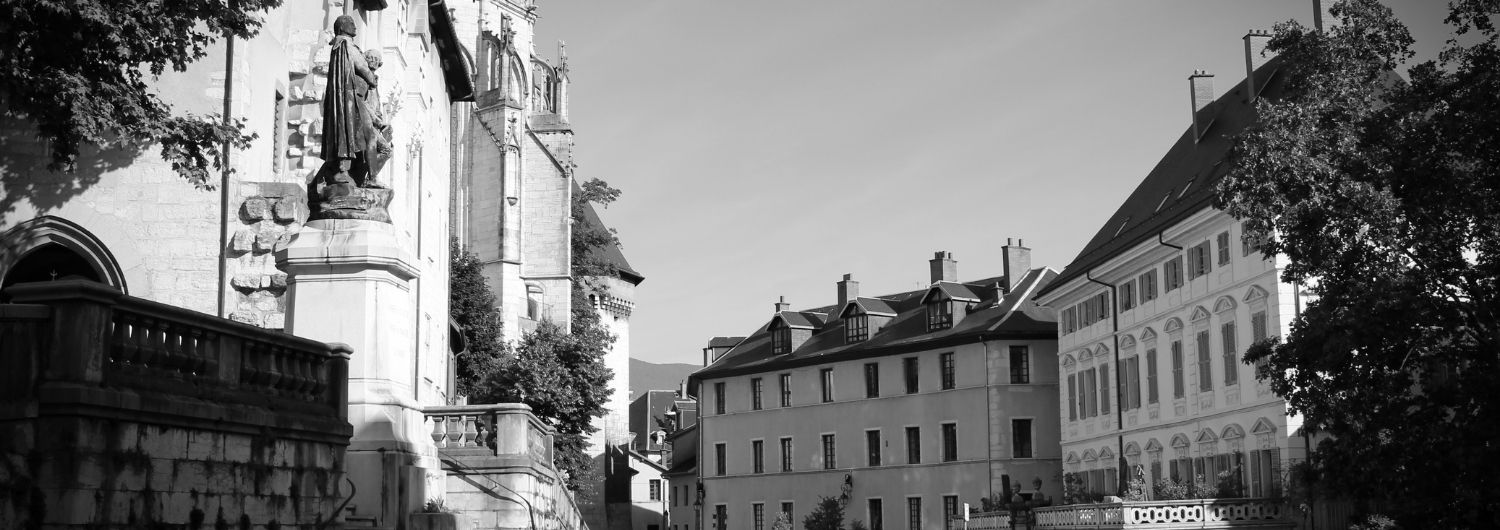
The Château des Ducs de Savoie, a symbol of power, still bears witness to this historic importance. For several centuries, the city was home to the Savoyard court, fostering its development and strengthening its cultural influence. This period had a profound impact on the identity of the Savoyard capital, still visible in its architecture and urban organization.
Chambéry's evolution over the centuries
Over the years, the commune has undergone several major transformations. After having been an important political center, its role changed when the capital of the Savoy States was transferred to Turin in the 16th century. Despite this change, the town retained a strong administrative and judicial influence.
Over the following centuries, the Savoyard capital gradually modernized, while preserving its heritage. The annexation of Savoie to France in 1860 was a major turning point, allowing the commune to become fully integrated into French territory. This change favored the town's economic development, while preserving its historical heritage.
Today, the town is recognized as a city of art and history, where every street tells a part of its past. This continuity between tradition and modernity makes it a particularly interesting destination for culture lovers.
Italian influence on Chambéry
The history of the Savoyard capital is closely linked to Italy, and this is strongly reflected in its architecture and culture. For centuries, the political and cultural ties between Savoy and Piedmont have shaped the city's identity.
This influence can be seen in the colorful facades, inner courtyards and narrow passageways found in the old town center. The town's architectural style is reminiscent of Italian towns, giving it a charm that is unique in France.
In addition to its architecture, this Italian imprint can also be found in the art of living, gastronomy and certain local traditions. This dual cultural identity contributes to making Chambéry a singular city, at the crossroads of French and Italian cultures.
Chambéry's historic center
Discover the old town
Chambéry's old town is the historic heart of the city and one of the most emblematic areas of the Savoyard capital. Strolling through its narrow streets, visitors discover a veritable medieval labyrinth, made up of discreet passages known as traboules, inner courtyards and ancient facades.
This historic district perfectly reflects the identity of the commune, with an urban organization inherited from the Middle Ages. The town has managed to preserve this unique heritage, allowing you to immerse yourself in an authentic atmosphere. Stroll through old Chambéry, To explore the city is to explore a living part of local history, where each street tells the story of an architectural and cultural evolution.
The richness of the old town also lies in its details: hidden staircases, covered galleries and the play of light between buildings. These elements contribute to the immersive experience offered by the town to visitors in search of discovery.
Chambéry's landmarks
Among the sites not to be missed, several monuments illustrate the city's prestigious past. The Château des Ducs de Savoie remains the strongest symbol of the Savoyard capital. The former residence of the Princes of Savoy, this monument bears witness to the major political role played by the Savoyard capital for several centuries.
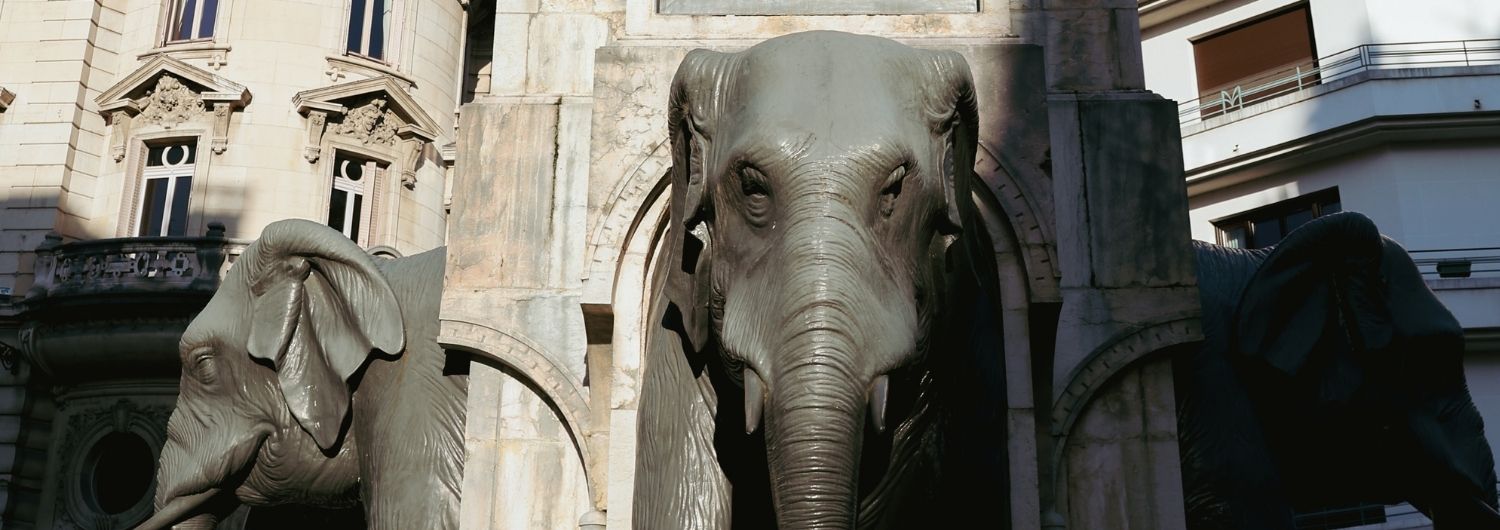
Another well-known emblem, the Elephant Fountain occupies a central place in the collective imagination. Located in the heart of the town, it pays homage to General de Boigne and is an essential landmark for visitors.
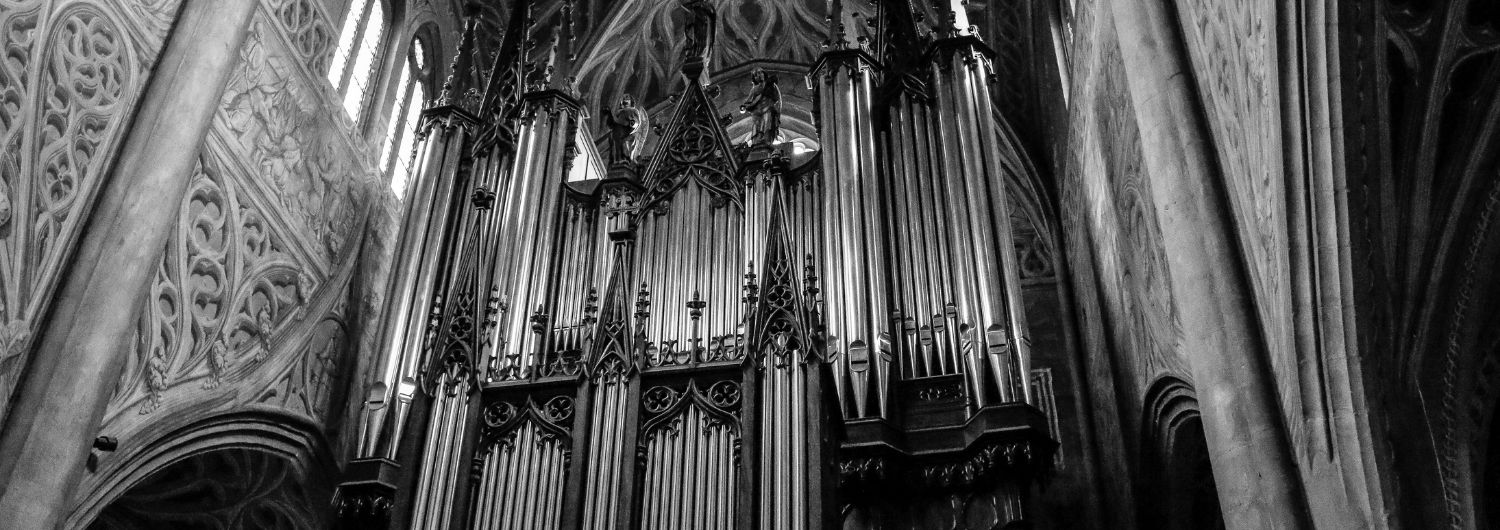
The town is also home to other remarkable sites such as the Saint-François-de-Sales cathedral, known for its impressive trompe-l'œil decorations. All these monuments contribute to the town's cultural appeal and enhance its heritage.
Why Chambéry's historic center is unique
The historic center is distinguished by its Italian-inspired architecture, inherited from the days when Savoy had close ties with Piedmont. This gives the town a singular character rarely found elsewhere in France.
The colorful facades, arcades and courtyards are reminiscent of certain Italian cities, giving the Savoyard capital a warm, atypical atmosphere. This visual identity plays a major role in the Savoyard capital's image as a tourist destination.
Aesthetics aside, it's also the atmosphere that makes this center unique. The commune combines historical heritage, local shops and cultural life, creating a balance between tradition and modernity. This mix attracts visitors and residents alike, making the old town a lively and dynamic place.
What to do in Chambéry: must-see activities
Cultural visits in Chambéry
Chambéry offers a rich cultural offering, enabling visitors to discover the full depth of its history and identity. The city is home to several major museums, including the Musée des Beaux-Arts, renowned for its collections of Italian paintings, and the Musée Savoisien, dedicated to local history.
These sites provide a better understanding of the town's development over the centuries, highlighting its role in the region and its cultural influences. The Savoyard capital is known for its active promotion of its heritage, making culture accessible to all.
By visiting, art and history lovers can enrich their experience while discovering sometimes little-known aspects of the commune.
Urban walks and experiences in Chambéry
Exploring the city on foot remains one of the best ways to enjoy the city. Numerous routes allow you to discover its neighborhoods, squares and monuments while soaking up its atmosphere.
Guided tours are available to explore the Savoyard capital in greater depth, particularly in the historic center. These experiences offer detailed explanations of the architecture, local anecdotes and key events that have shaped the town.
For a freer approach, it's also possible to follow themed itineraries. These allow you to explore from different angles, whether heritage, gastronomy or urban nature.
Events and local life
Chambéry is a dynamic city offering a wide range of events throughout the year. Festivals, markets, exhibitions and events punctuate local life and contribute to the attractiveness of the Savoyard capital.
A number of cultural festivals feature music, theater and local traditions. These events are a great way to discover Chambéry from a livelier, more festive angle.
The town is also known for its markets, where you can discover local produce and the friendly atmosphere of the region. This human dimension enhances the visitor experience and adds to the town's charm.
Chambéry and its Alpine landscapes
Chambéry between mountains and nature
The town's exceptional natural environment is a major factor in its appeal. Situated between the Bauges and Chartreuse massifs, the town offers direct access to a variety of Alpine landscapes. This proximity to the mountains makes the Savoyard capital an ideal starting point for exploring the region.
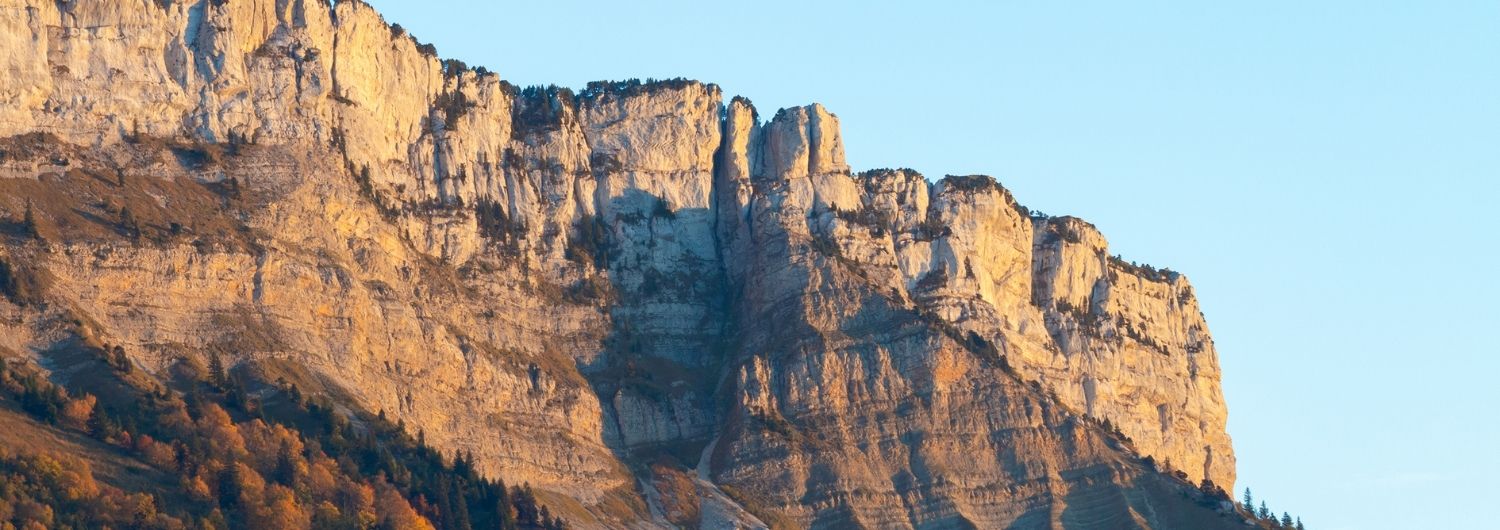
The Savoyard capital is distinguished by its balance between urbanism and nature. In just a few minutes, it's possible to leave the city center for unspoilt natural areas. This characteristic attracts hiking enthusiasts as well as visitors in search of relaxation.
The natural surroundings also contribute to the local quality of life. The commune benefits from a soothing environment, where the mountains play a structuring role in the landscape and the identity of the territory.
Nature activities around the Savoyard capital
The area around Savoie's capital offers a wide variety of outdoor activities. Hiking remains one of the most popular activities, with numerous trails accessible from the city or its surroundings. These routes allow you to discover the richness of the Alpine landscape while enjoying remarkable panoramic views.

Cycling is also a highly developed activity in the region. Thanks to its varied terrain, Chambéry attracts both amateur cyclists and sports enthusiasts. The town offers routes to suit all levels.
In addition, nearby lakes such as Lac du Bourget, These are just a few kilometers from Chambéry. Just a few kilometers from Chambéry, these areas are ideal for water sports or simply for enjoying an exceptional natural setting.
Chambéry in winter and summer
Chambéry can be visited all year round, with different experiences depending on the season. In winter, the city becomes a strategic gateway for accessing ski resorts from Alps. This proximity to ski resorts makes Chambéry even more attractive to winter sports enthusiasts.
During the summer months, the Savoyard capital reveals a different face. Hiking, water sports and nature walks are the main attractions. Chambéry offers an ideal setting for both active and relaxing vacations.
This seasonal diversity is a real asset. Whatever the season, Chambéry offers experiences tailored to visitors' expectations, contributing to its success as a tourist destination.
Gastronomy and art of living in Chambéry
Savoyard specialities in Chambéry
Chambéry is an ideal destination for discovering the richness of Savoyard gastronomy. The city's emblematic specialties reflect the region's culinary identity. Famous dishes include Savoyard fondue, raclette and tartiflette.

These specialities are mainly based on local products, notably cheeses such as Beaufort, Emmental de Savoie and Tomme. Traditional cuisine is an important part of the experience, allowing visitors to discover the authentic flavors of the region.
The Savoyard capital also promotes short distribution channels and local produce, which contributes to the quality of the dishes served in the town's restaurants.
Savoie wines and terroir
The area around the Savoyard capital is also renowned for its wines. Savoyard vineyards produce white, red and rosé wines with unique characteristics, often influenced by alpine climatic conditions.
Among the best-known grape varieties are Jacquère, Altesse and Mondeuse. These wines are the perfect accompaniment to local specialties and contribute to the town's gastronomic identity.
The proximity of the vineyards makes it easy for visitors to discover this aspect of the local heritage. Tastings and cellar tours are regularly organized around Chambéry, offering a complete immersion in the Savoyard terroir.
Where to eat in Chambéry
Chambéry offers a varied range of restaurants, from traditional establishments to more modern addresses. The city offers a wide range of culinary approaches, while retaining a strong local identity.
In the historic town center, numerous restaurants celebrate Savoyard cuisine. These establishments offer an authentic experience, often in typical settings that add to the town's charm.
The commune also boasts markets and specialist shops where you can sample local produce. This gastronomic diversity contributes to the commune's reputation as an art de vivre destination.
Practical tips for visiting Chambéry
How to get to Chambéry
Chambéry is easily accessible thanks to its strategic position in the Auvergne-Rhône-Alpes region. The city is served by an efficient transport network, making it easy to organize your stay.
The train remains one of the most convenient ways to reach the city. The station offers direct connections to several major French cities, including Lyon, Grenoble and Paris. This rail accessibility makes Chambéry even more attractive for short stays.
By car, the commune is also well connected by motorway. This ease of access means you can quickly reach Chambéry from many different regions, while enjoying the surrounding Alpine scenery.
Where to stay in Chambéry
Chambéry offers accommodation to suit all budgets. The town has hotels, bed & breakfasts and vacation rentals to meet the needs of visitors.
The historic town center is an ideal place to stay. It's within easy reach of the main tourist attractions and allows you to take full advantage of the local atmosphere. This choice is particularly suitable for short stays.
For those seeking more tranquility, the city's outskirts also offer interesting options, often in the heart of nature. This diversity means that everyone can find accommodation to suit their travel plans.
Best time to visit the commune and surrounding area
Chambéry can be visited all year round, but certain periods are particularly suitable for travelers. Spring and summer offer ideal conditions for enjoying outdoor activities and discovering Alpine landscapes.
Autumn offers the chance to discover the city from a quieter angle, with a different atmosphere and a variety of natural colors. This season attracts visitors in search of tranquillity.
In winter, the town becomes a strategic point of access to the ski resorts. The town attracts winter sports enthusiasts with its warm, friendly atmosphere.
Case study: a perfect day in Chambéry
Morning: discover the historic center
A day in Chambéry can start with an exploration of the old town center. This first step allows you to discover the narrow streets, monuments and typical atmosphere of the city. It's the ideal time to immerse yourself in local history.
Afternoon: culture and nature
The afternoon can be devoted to a visit to a museum or an outdoor activity. The commune offers the possibility of combining these two aspects, alternating between cultural heritage and discovery of the surrounding countryside.
Evening: Savoyard gastronomy
At the end of the day, enjoy a meal in a local restaurant and discover the local gastronomy. It's the perfect end to a day rich in discovery.
Summary table: visiting Chambéry
| Theme | Must-see |
|---|---|
| Heritage | Castle, Fountain |
| Nature | Bauges, Chartreuse |
| Activities | Museums, walks |
| Gastronomy | Cheese and wine |
How to organize your stay in Chambéry
1-day itinerary in Chambéry
For a short visit, we recommend concentrating on the historic center and the main monuments. Chambéry is easy to explore on foot, so you can make the most of your time there.
2-day itinerary in Chambéry
A longer stay allows you to explore more of the town and its surroundings. You'll be able to combine cultural visits, nature activities and discovering the local area.
Expert advice
To get the most out of the city, we recommend anticipating the tourist season and choosing to visit in the morning. This allows you to avoid the crowds and enjoy the sights to the full.
Frequently asked questions about Chambéry
What to do in Chambéry in 1 day?
Chambéry can be explored in a day, focusing on the historic center, the main monuments and a gastronomic experience. A stroll through the narrow streets will give you a complete overview of the city.
Why visit Chambéry?
The town attracts visitors for its heritage, mountain location and authentic atmosphere. The city combines culture, nature and gastronomy, making it a complete destination.
Where is Chambéry?
Chambéry is located in Savoie, in the Auvergne-Rhône-Alpes region. The town lies between the Bauges and Chartreuse massifs, close to major Alpine routes.
What's Chambéry's speciality?
The commune's gastronomy is based on Savoyard specialities such as fondue, raclette and local cheeses. Savoy wines complete the culinary offer.
When should you visit Chambéry?
Chambéry can be visited all year round. Spring and summer are ideal for outdoor activities, while winter allows you to take advantage of the nearby ski resorts.
Is Chambéry a big city?
Chambéry is a city on a human scale, with around 60,000 inhabitants. It offers a good balance between urban dynamism and quality of life.
What to see around Chambéry
Around the town, you can discover mountains, nature parks and lakes such as Lac du Bourget. These sites are the perfect complement to a visit to the town.
Is Chambéry close to ski resorts?
Chambéry is ideally located for quick access to several Alpine ski resorts, making it a strategic departure point in winter.
Conclusion
Chambéry is an essential destination for discovering Savoie and the Alps. Thanks to its heritage, natural environment and art of living, the city offers a complete and accessible experience for all types of travelers.
Whether you're looking for a short break or a longer vacation, the commune offers a combination of culture, nature and gastronomy in an authentic setting. This richness makes the Savoyard capital a place apart, where every visitor can find an experience to suit his or her desires.
Useful links for visiting Chambéry
To prepare your stay in Chambéry effectively, it's essential to consult reliable resources. These official sites and recognized platforms provide up-to-date information on the city, its activities and its tourist organization.
Chambéry Tourist Office
The official website of the Chambéry tourist office is the main reference for organizing a visit. It offers comprehensive information on the city's activities, events, guided tours and must-sees.
👉 https://www.chamberymontagnes.com
Official website of the city of Chambéry
Chambéry's institutional website provides access to information on the commune, its history, services and news. It is a useful resource for understanding local life and operations.
Book activities
To plan visits or discover activities in Chambéry, some platforms allow you to consult reviews and book online.
👉 https://www.tripadvisor.fr
👉 https://www.getyourguide.fr
Transport
Several tools are available to help you organize your trip to Chambéry:
👉 https://www.sncf-connect.com
👉 https://www.blablacar.fr
These platforms facilitate access to the city by train or carpool.
Accommodation in Chambéry
To find accommodation in Chambéry, you can use recognized platforms that offer a wide selection of accommodations:
👉 https://www.booking.com
👉 https://www.airbnb.fr
Discover the surrounding area
To complete your stay in Chambéry, you may also wish to consult resources on the region and nearby destinations.
👉 https://www.auvergnerhonealpes-tourisme.com

