
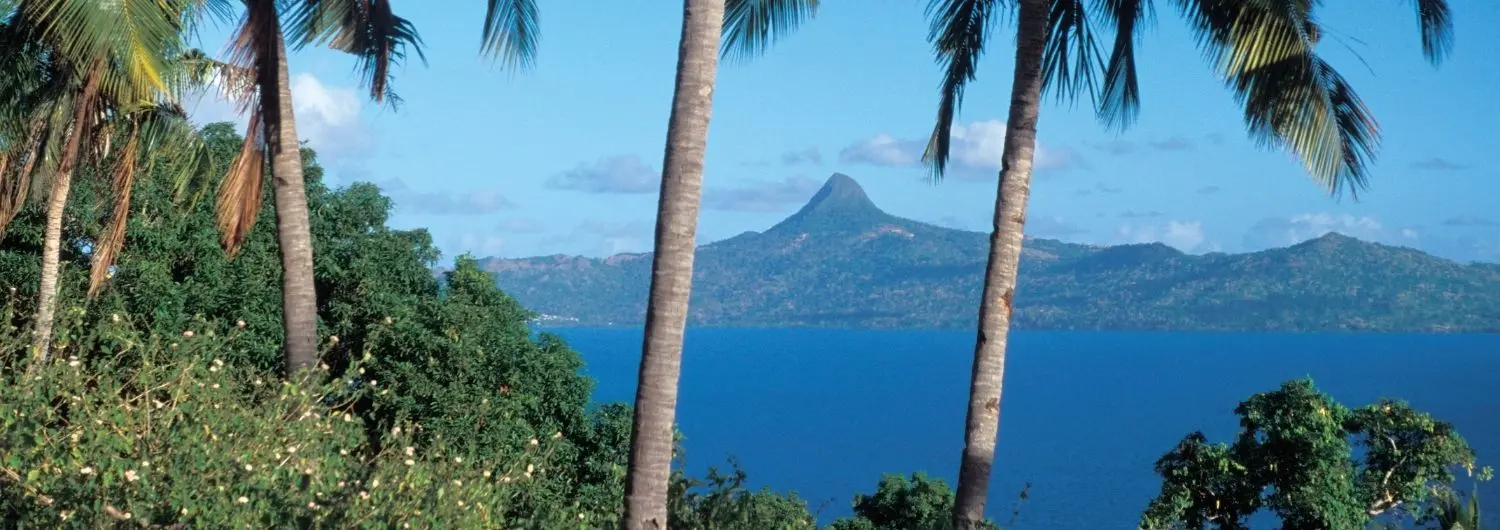
Mayotte : guide complet pour découvrir l’île autrement
MayotteFrance's overseas department in the heart of the Indian Ocean, is a fascinating destination that combines nature, culture and unique identity. In this introduction, I present mayotte as the focal point of the story, and I naturally integrate the anchor the countryInternal link to the tourist regions guide on cparici.com.
Mayotte, a land of rich biodiversity and ancestral traditions, offers an authentic experience between lagoons, paradise beaches, culture mahoraise and major environmental challenges.
Where is Mayotte and how do I get there?
This section describes in detail the location of mayotteits administrative status, geography and main means of access.
Mayotte is in the Mozambique canalbetween Madagascar and the African continent (Mozambique). Consisting of the islands of Grande-Terre (Maore) and Petite-Terre (Pamanzi)plus several islands the archipelago covers an area of around 374 km² of land for an estimated population of 321,000 inhabitants in January 2024. Very densely populated (approx. 858 inhabitants/km²), with its capital city Mamoudzou on Grande-Terre, the island has its own international airport Dzaoudzi-Pamandzi on Petite-Terre.
Since 1974, Mayotte has chosen to remain French, becoming overseas departments and regions in 2011, and outermost region of the European Union from 2014.
Access to mayotte mainly by air, with direct flights or stopovers on Réunion, operated by airlines such as Air Austral and Comoros Aviation. Ferrying between Comoros and Mayotte is risky and mostly clandestine.

Climate and best seasons to visit mayotte
Visit climate from mayotte is typically tropical maritimeThe region is characterized by warm temperatures and high humidity all year round. This makes it a destination where nature explodes, but where certain seasons are more conducive to travel.
The year to mayotte is divided into two main seasons:
Kashkasini the season of rainsis from December to March. It is hot, humid and sometimes stormy. Temperatures range from 28 to 34°C, and humidity often exceeds 90 % (en.wikipedia.org).
Kussini the season dryerwhich runs from May to September, is ideal for tourism. The climate is milder, with less rain and temperatures between 25 and 30°C.
A brief off-seasoncalled matulahitakes place between April and early May.
These weather conditions directly influence activities. For example, the period from June to October is the best for observing humpback whales come to give birth in the lagoon. La scuba diving is possible all year round, but the dry months offer a better underwater visibility.
Due to the cyclone Chido occurred in December 2024, heightened warnings have been put in place, particularly during rainy periods. The local government advises travelers to consult weather reports before planning an excursion.
The dry season is ideal for exploring mayotteThis is a great place for beaches, hiking and wildlife watching.

Mayotte's terrestrial and marine biodiversity
Visit biodiversity from mayotte is one of the richest in France, both on land and at sea. Thanks to its tropical climateto its geographical isolation and the presence of a huge lagoonthe island is a veritable nature sanctuary.
Terrestrial ecosystems
The interior of the island is covered with rainforestsof mangrovesand zones of tropical savannah. It includes :
Visit makis (Mayotte brown lemur), a species endemic who lives in freedom.
From giant bats called dogfish.
Numerous birdsinsects, rare butterflies and reptile species found only in mayotte.
However, deforestation is a growing problem: according to CNRS data, over 60 % of the island's original forest has disappeared since the 1970s. The high demographic pressure and the extension of subsistence farming are the main causes.
Mayotte lagoon
Visit lagoon from mayotte is one of the world's lagoons closed to the worldprotected by a double barrier reef. It extends over more than 1,500 km² of land and is home to exceptional marine biodiversity:
More 250 species of coral,
From green turtles and nested,
From dugongs (a rare marine mammal closely related to the manatee),
A wide variety of tropical fish, dolphins, manta rays, reef sharks and humpback whales in season.
Scuba diving is the flagship tourist activity in mayotteWe've got a lot to offer, especially in well-known spots such as N'Gouja, Saziley and Passe Sada.
Marine protected areas have been set up, in particular the M'Bouzi islet nature reserveto preserve this wealth in the face of threats such as :
the global warming,
the plastic and organic pollution,
visit illegal fishing activities.

Maqhois culture and traditions
Visit Mayotte culturecalled maqhois cultureis a remarkable blend of influences African, Arab, Malagasy and French. It is clearly distinguished from the rest of France by its large footprint. swahilie and Islamicwhile incorporating elements of the Republic.
Languages and traditions
À mayottethe French is the official language, but the population mainly speaks two local languages:
Visit shimaoréa language derived from Swahili, spoken by the majority of the population.
Visit shibushiinfluenced by Malagasy, spoken mainly on Petite-Terre.
Islam is practised by around 95 % Mahorais, but in a moderate way and integrated into a tolerant local culture. Visit cadialata traditional system of Islamic justice, continues to exist for the settlement of civil matters (marriages, divorces, inheritance), although now governed by French law.
Social life and the role of women
Mayotte is a company matrilineal, où les femmes jouent un rôle social central. Dans de nombreux villages, ce sont elles qui possèdent les maisons, organisent la vie communautaire et gèrent les affaires domestiques. Le statut des femmes est relativement fort comparé à d’autres sociétés musulmanes.
Visit grand weddings (maoulida) are essential social events, combining religious ceremonies, dances, songsand group parties which can last several days. They sometimes bring together hundreds of people.
Music and dance
Traditional arts are very much alive:
Visit debaa is a feminine choreographic song.
Visit m'biwia dance punctuated by hand-clapping and percussion.
Visit madjilisse and the chigomamasculine music often played at weddings or religious celebrations.
Mahoran cuisine
The gastronomy of mayotte reflects this cultural melting pot. Emblematic dishes include:
Visit pilaospiced rice and meat.
Visit pikeletssmall grilled brochettes sold on the street.
Visit matabaa dish of cassava leaves cooked in coconut milk.
Visit samboussaAn Indo-Comorian-inspired triangular fritter stuffed with meat or vegetables.
Visit culture mahoraise is experienced on a daily basis through the markets, the women's colorful outfits (saluva), and the strong community values.
Must-see activities in Mayotte
Despite a still limited tourism infrastructure, mayotte is full ofunique activities and exceptional natural sites to discover. Tourism is genuineoften focused on nature, adventure and local encounters.
Diving and snorkeling
Visit lagoon from mayotte is one of the best spots in scuba diving and snorkeling in France. Thanks to its double barrier reef:
From multicolored coral reefs,
From sea turtles particularly in N'Gouja,
From dolphinsvisible almost all year round,
And in season (July to October), the humpback whales accompanied by their young.
Famous sites include the S-shaped pass, the Longoni pass, the Bandrélé islets and the M'Bouzi islet, a nature reserve where excursions are organized.
Hiking and nature
Mayotte offers accessible hikes in a tropical setting. The most popular are :
Mount Choungui (594 m), a volcanic cone offering 360° panoramic views of the island.
Visit N'Gouja beach and the Saziley forestThis protected area is ideal for observing makis (lemurs).
Visit Acoua steps in the Mtsangadoua rainforest.
Visit mangroves perfect for kayaking.
Excursions on the lagoon
One of the most memorable experiences at mayotte remains the boat tour :
Tour of the lagoonwith stops on deserted islands,
Swimming in the passes (passages in the coral reef),
Observation of seabedincluding from glass-bottomed boats,
Traditional fishing or take a pirogue with the fishermen.
Beaches and relaxation
Among the most beautiful beaches:
N'Goujafamous for its turtles and monumental baobabs,
Sakouliquiet and perfect for sunsets,
MoyaThe red sand of Petite-Terre,
SoulouThis is the perfect place for nature lovers.
Cultural activities
Visit the villages (Kani-Kéli, Tsingoni, Chirongui...), take part in a big weddingdiscover the local markets (Mamoudzou, Dzaoudzi), or take part in one of our Mahoran cuisine provides unparalleled immersion.
Economy and society in Mayotte
Mayotte presents a contrasting economic and social profilesThe region is characterized by strong demographic dynamism, high levels of insecurity and structural dependence on the French metropolis. This makes the region unique, but also vulnerable.
An economy on life support
Visit Mayotte GDP is estimated between 2.3 and 2.9 billion euroswith a GDP per capita well below the French average (around €9,500 vs. €33,000 in mainland France). Dependence on public transfers is massive: over 80 % of local resources come from state subsidies, social aid and European schemes.
The dominant business sectors are :
Food-producing agriculture (cassava, bananas, yams),
The cultivation of vanilla, ylang-ylang and coco,
Visit artisanal fishing,
Visit public jobs (teachers, healthcare, administration),
Visit informal sectora ubiquitous presence in markets and transportation.
Visit tourism reste marginal : moins de 60 000 visiteurs par an, faute d’infrastructures hôtelières suffisantes, bien que l’île ait un potentiel exceptionnel.
Poverty and unemployment
Visit poverty key nearly 77 % of the population according to INSEE. Visit unemployment amounts to 27 %particularly affecting young people and women.
Informal housing is widespread: more than half of all homes are built without permits. Entire neighborhoods, called bangasThese include families living in extremely precarious conditions, often without access to running water or regular electricity.
Explosive demographics
The population of mayotte has increased 4-fold in 40 years. Approximately 42 % of inhabitants are under 20 years oldmaking it the youngest territory in France. The high birth rate (4.1 children per woman) is fuelling a intense demographic pressure on public services: saturated hospitals, overcrowded classrooms, inadequate housing.
Migration and social tensions
More 40 % of inhabitants de l’île seraient d’origine foreignmainly from Nearby Comoros. Illegal immigration causes social tensionsThe situation is exacerbated by the local population's feeling of abandonment. Policies of deportation, sometimes controversial, have been implemented.
These economic and social realities shape the daily lives of the Mahoran people and have a strong influence on the image and development of the island. mayotte.
Environmental issues
Mayotte is an island as rich as it is fragile. Its unique ecosystem is facing serious environmental threatsrelated to demographic pressureat theuncontrolled urbanizationat climate change and a inadequate waste management.
Deforestation and land reclamation
One of the major challenges is rapid deforestation Nearly 60 % of natural forests have disappeared since 1970. This destruction is due to :
the extension of informal agricultural zones,
firewood harvesting,
illegal housing construction on the urban periphery.
The reduction in natural vegetation leads to soil erosion, loss of biodiversity, and accentuates the runoff water, leading to flooding and river pollution.
Pollution of the lagoon
Visit mayotte lagoonthe island's ecological jewel, is threatened by :
visit plastic wasteThese are discharged from rivers and un-equipped urban areas,
the wastewater discharge untreated,
the overfishingThese include the use of driftnets or dynamite in certain areas.
Despite a few marine protected areas (such as the M'Bouzi reserve), the lagoon is undergoing a major decline. rapid deterioration. Corals are affected by bleachinga consequence of global warming.
Increased natural risks
Since 2018, mayotte undergoes abnormal seismic activity linked to the formation of a underwater volcano discovered off Petite-Terre. These daily, albeit moderate, earthquakes weaken buildings.
December 2024, Cyclone Chido hit the island with unprecedented violence. This phenomenon caused deaths, thousands of casualties, and highlighted the structural vulnerability Mayotte's response to natural disasters.
Local initiatives
In response to these threats, a number of initiatives have been launched:
Visit Dugong planfor the preservation of marine mammals.
Projects for reforestation and waste recycling.
Integrating Mayotte into regional climate policies in the Indian Ocean.
However, these efforts remain limited in the face of the scale of the challenges, and require a major overhaul. stronger commitment from the French government and the European Union.
Cyclone in Mayotte: Cyclone Chido
Visit december 2024, Cyclone Chido struck Mayottecausing the the island's worst climatic disaster in 90 years. The phenomenon, equivalent to a tropical cyclone of category 4made landfall on December 14 with gusts exceeding 225 km/h and extraordinary rainfall in just a few hours.
Visit human consequences are dramatic:
Official balance sheet: between 22 and 39 confirmed deathsover 5,600 injuredand hundreds or thousands more victims three times more likely to be underestimated.
The prefect believes that a real assessment of hundreds to perhaps thousands of deaths can't be ruled out, particularly in view of the speed of burials imposed by local traditions..
In terms of equipmentthe impact is considerable:
Up to 90 % of homes destroyedparticularly in slums (bangas) where thousands of people lived.
Roads, power lines, communications and the only hospital de l’île gravement endommagés, compromettant l’accès aux soins et aux secours urgents.
Visit emergency response mobilized :
A air and sea bridge from La Réunion and mainland France to transport clothing, food, water, generators and medical staff.
The declaration of state of natural disaster for all 17 municipalitiesand a a new legal tool to speed up reconstruction.
Finally, President Macron announced a 3 billion euro reconstruction plan over 6 years to rebuild a more resilient habitat and prevent future climate catastrophes.
In a nutshell, Cyclone Chido has had a profound impact Mayotteunderlining the growing vulnerability of overseas territories to natural disasters. climate change and to the imperative need to strengthen the prevention, d'alertand sustainable reconstruction.
Frequently asked questions
Where is Mayotte?
Mayotte is located in the Indian Ocean, between Madagascar and Mozambique. It is part of the Comoros archipelago, but has been a French overseas department and region since 2011.
When is the best time to travel to Mayotte?
The dry season, from June to September, is ideal. The climate is milder, underwater visibility is excellent, and it's humpback whale season in the lagoon.
Is it possible to see marine animals in Mayotte?
Yes ! Mayotte is famous for its sea turtles, dolphins, humpback whalesand even dugongs. The lagoon is teeming with life, which can be observed by snorkeling or diving.
What languages are spoken in Mayotte?
French is the official language. French is the official language. shimaoré (a language derived from Swahili) and shibushi (of Madagascan origin).
What are the must-see sites in Mayotte?
The beaches of N'Gouja, the hike up Mont Choungui, the mangrove swamps, the islets in the lagoon, the Saziley reserve and traditional villages like Tsingoni are not to be missed.
Getting around Mayotte
Travel is mainly by car. Collective cabs (called taxi-brousse) criss-cross the island. Barges link Grande-Terre and Petite-Terre.
What are the ecological challenges facing Mayotte?
Deforestation, lagoon pollution, demographic pressure and uncontrolled urbanization are the main environmental challenges. Cyclone Chido in 2024 reinforced these challenges.
Is Mayotte a safe tourist destination?
Generally speaking, yes, but certain areas should be avoided at night. It is advisable to seek local advice. Nature, on the other hand, offers a safe and exceptional setting.
Conclusion
Mayotte is a land of contrastswhere the wealth of a exceptional natural heritage alongside the challenges of a a rapidly changing territory. Between his idyllic beacheshis lagoon filled with marine wondershis mixed culture and its unique story, mayotte offers a unique experience to those who venture there.
But for mayotte to its full potential, strong responses must be provided to environmental problemssocial and economic. It is in this balance between preservation, sustainable development and respect for local traditions the future of this unique department.
Visit mayotteis also to discover a little-known facet of France, where nature, culture and people weave a vibrant, heartfelt tale. For those wishing to explore other treasures the countrydiscover our guide to France's regions and tourist attractions.
