
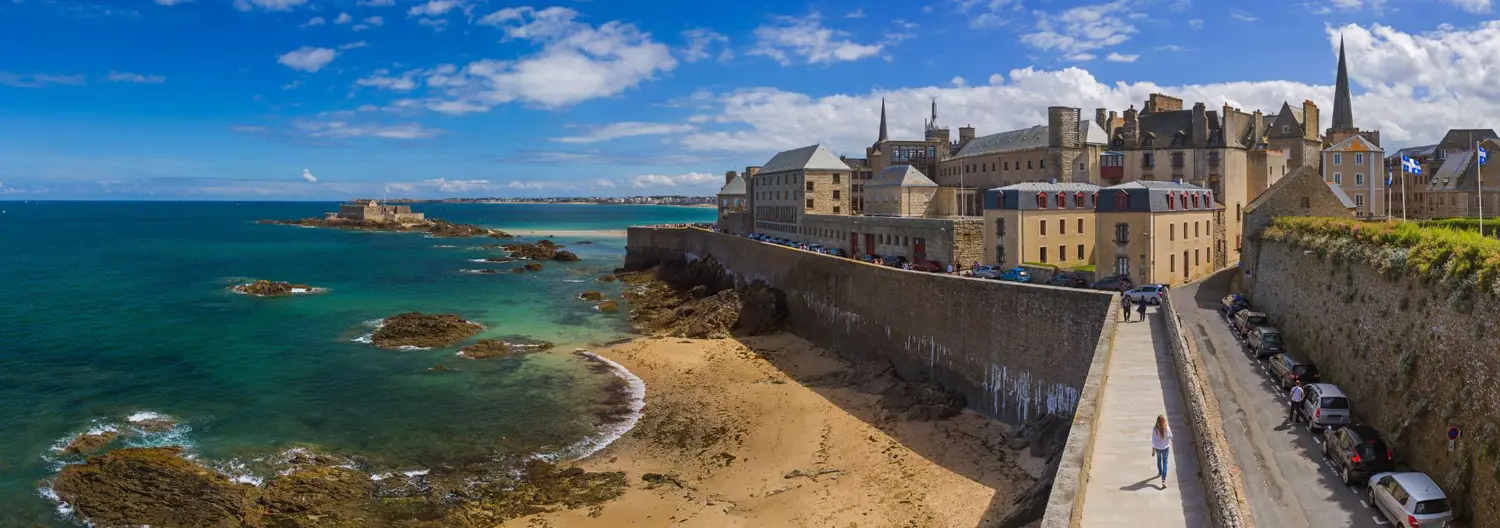
Dans ce guide détaillé, nous vous invitons à explorer les merveilles de Saint-Malo, qu’elles soient d’ordre historique, culturel, naturel ou gastronomique. Parcourez avec nous les ruelles de la vieille ville, marchez sur les remparts, découvrez les îles, visitez les museums, savourez la cuisine locale dans les restaurants et explorez les lieux unusual qui contribuent au charme unique de Saint-Malo.
Before revealing all the secrets of this corsair town, we'd like to give you a brief introduction to its history and geographical location. Located in the department of Ille-et-Vilaine, in the Brittany region, Saint-Malo is home to some 47,000 inhabitants, known as the Malouins. They are particularly proud of their rich maritime heritage and deep-rooted Breton identity. Founded in the 6th century by monks from across the Channel, the town takes its name from Saint-Maclou, which later became Saint-Malo in honor of one of the founding monks.
Over the centuries, Saint-Malo has thrived on maritime trade, fishing and racing, the authorized form of piracy aimed at capturing enemy ships. This lucrative activity enabled the town to grow rich and enjoy a high degree of autonomy, earning it the nickname "City of State".
Elle est également le berceau de personnages illustres tels que Jacques Cartier, l’explorateur du Canada, ou Chateaubriand, le célèbre écrivain romantique. Presque entièrement détruite pendant la Seconde Guerre mondiale, Saint-Malo a été méticuleusement reconstruite à l’identique, préservant ainsi son précieux heritage architectural. De nos jours, Saint-Malo est la destination la plus prisée de Bretagne, attirant des millions de visiteurs chaque année, charmés par son authenticité, son caractère unique et sa diversité.
Ready to discover Saint-Malo? Follow us in the following sections to discover the hidden treasures of the corsair city, far beyond what traditional guidebooks offer.
Saint-Malo has plenty of surprises in store for you!
The Corsair City's hidden treasures
The city of Saint-Malo, much more than a simple fortified seaside town, abounds in mystery and secrets. This section reveals three lesser-known facets of the Corsair City: its mysterious ramparts, its secret islands and its hidden passages.
The secret ramparts of Saint-Malo
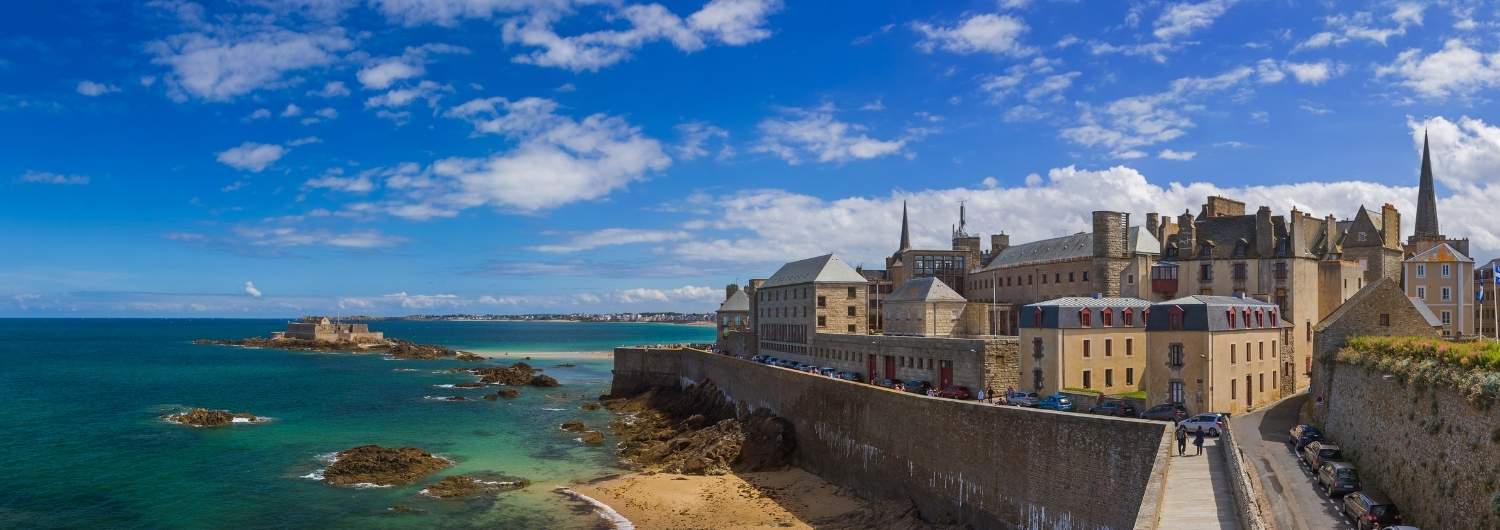
Saint-Malo's emblematic ramparts, built between the 12th and 18th centuries, served as a shield against invasion. Spanning 1,754 meters, they offer spectacular views of the sea, harbor, islands and old town. But the ramparts also conceal secret gates, such as the 16th-century Grand'Porte or Porte Saint-Thomas, and the 18th-century Porte Saint-Vincent. Each of these gates tells a story, bears a name and contains a legend.
For example, the Grand'Porte is famous for its statue of the Virgin and Child, miraculously found by sailors and credited with saving the town from fire in 1661. The Porte Saint-Vincent proudly displays the coat of arms of Saint-Malo and the Duchy of Brittany, and marks the point where General de Gaulle began his visit in 1944. To find out more about these historic gates, visit [Les Secrets de Saint-Malo] or take a guided tour from the tourist office.
Explore the discreet islands of the Malouin archipelago
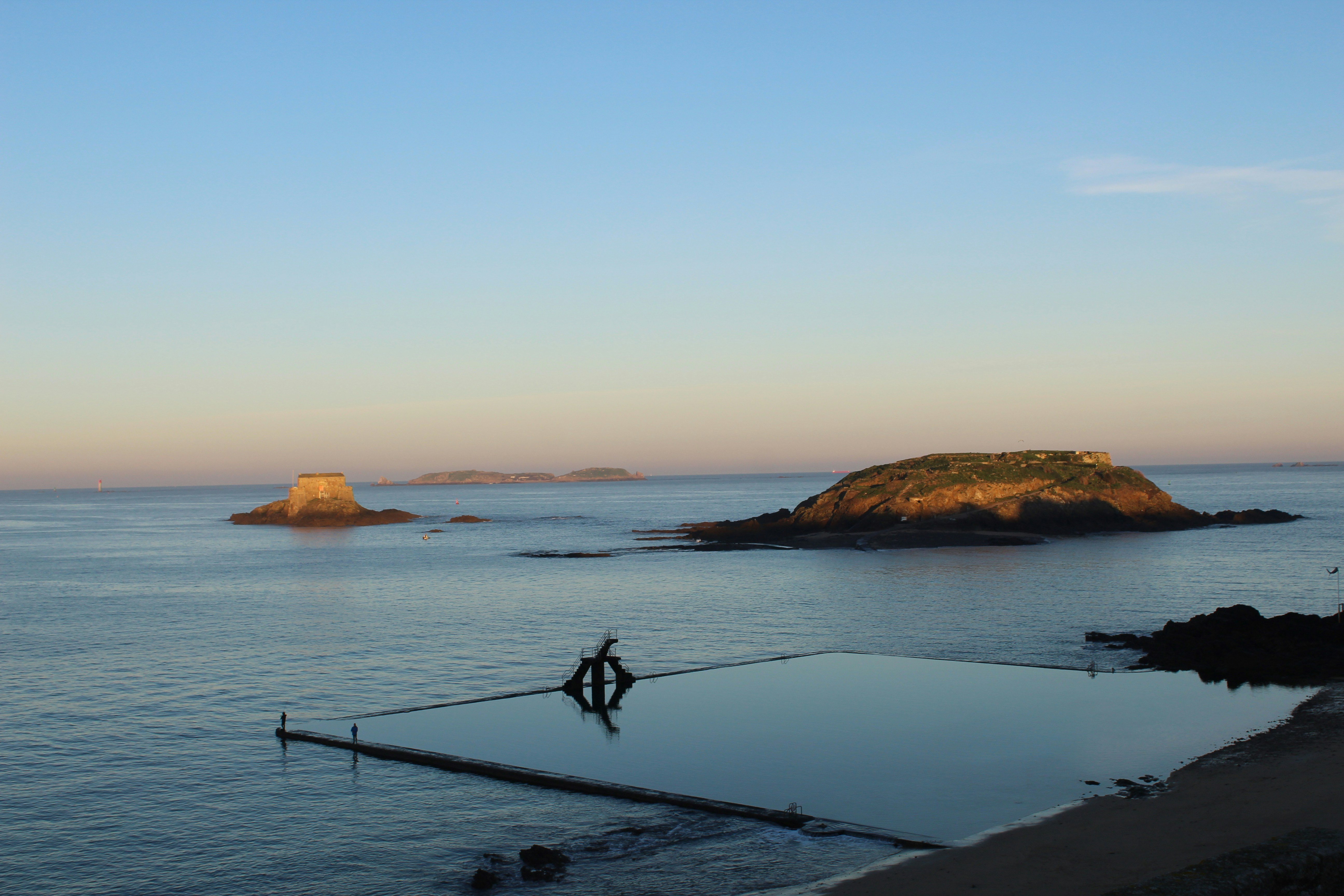
Autour de Saint-Malo, un chapelet d’îles compose l’archipel malouin. Accessibles à pied à marée basse, comme le Grand Bé et le Petit Bé, ou par bateau, telles que Cézembre ou les Ébihens, ces îles offrent un havre de paix et de découverte. Entre beaches, falaises, et forêts, elles abritent une biodiversité riche, des vestiges historiques et des anecdotes fascinantes.
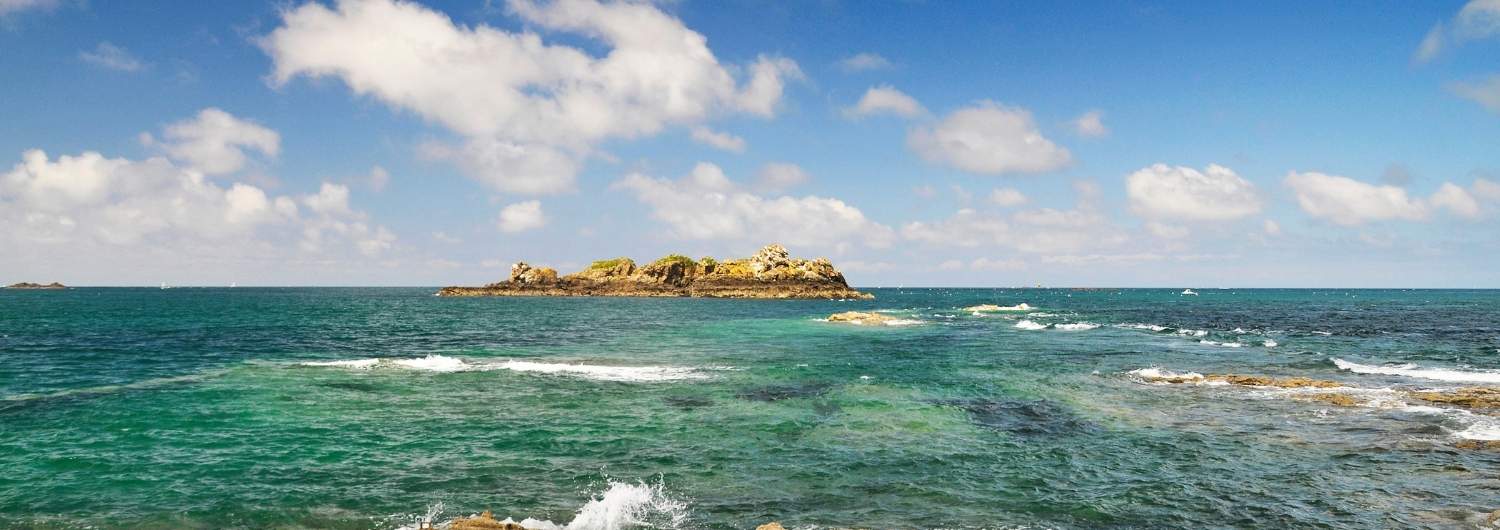
Grand Bé was the final resting place of the writer Chateaubriand, while Petit Bé is famous for its Vauban fort, accessible at low tide. Cézembre, with its fine sandy beach, was the scene of bombing raids until 1945, and the Ébihens seduce with their wild beauty. For more information on these islands, visit [Îles Malouines] or book an excursion with [Corsaire].
The little-known passages and alleyways of the old town
Intra-Muros, the historic heart of Saint-Malo, is a labyrinth of narrow streets and secret passages leading to the sea. These paths, once used to ease traffic and dry fishing nets, are full of stories, anecdotes and legends.
Names such as Rue du Chat qui Danse and Rue du Pélican evoke Malouin tales of trade, piracy and tradition. Rue de la Blatrerie, for example, owes its name to a former corporation specializing in the manufacture of hairdressing accessories. To explore these passages and learn more, visit [Saint-Aubin-sur-Mer] or take a guided tour with Madame Donnet-Meriel.
In the heart of nature: Unusual discoveries around Saint-Malo

Saint-Malo, bien plus qu’une ville côtière, se trouve au seuil d’un monde naturel étonnant. À proximité immédiate de cette ville historique, une multitude de sites naturels vous attendent, promettant des landscapes à couper le souffle, des activités divertissantes et des découvertes hors du commun.
We invite you to explore three of these exceptional places: the mysterious Villecartier forest, the surprising Montmarin estate with its gardens, and the wild moors of La Guimorais, a treasure trove of biodiversity to be preserved.
The Villecartier forest and its riddles
Located around 30 kilometers south of Saint-Malo, in the commune of Bazouges-la-Pérouse, the Villecartier state forest, once a royal estate, extends over almost 1,000 hectares. Mainly composed of beech and oak trees, this forest is the ideal playground for lovers of nature, hiking, history and mystery.
You'll discover such curiosities as the sabotiers' lodge, a reconstruction of the traditional habitat of 19th-century forestry workers, and the milestone, a Roman stone that once marked the distances between towns, placed at the center of a crossroads where seven ancient roads meet. The Montaugé cross, erected in 1625 by the Le Gallais family, also awaits you for a moment of contemplation.
Explore the forest via its signposted trails, which will take you through its remarkable landscapes and sites. You can also take advantage of Récrénature, a leisure center offering activities such as an accrobranche (tree climbing) course, electric boat trips on the pond, and a toy library to share playful moments.
The Montmarin estate and its surprising gardens
À une vingtaine de kilomètres à l’ouest de Saint-Malo, sur la commune de Pleurtuit, se trouve le domaine de Montmarin, un joyau historique. Avec sa malouinière de style Louis XV, classée monument historique, et ses jardins à la française, reconnus jardin remarquable, ce domaine est un véritable écrin de beauté et d’histoire.
The estate, located on the banks of the River Rance, offers a breathtaking view of the river and countryside. Its gardens, harmoniously blending different styles and eras, will surprise you. Admire the walled kitchen garden, the Mediterranean rock gardens that defy the Breton climate, and the terraces adorned with ponds, statues and flowers.
Visit the Domaine de Montmarin, open from April to October, on its website or in person. The estate also hosts receptions, weddings and corporate events.
The moors of La Guimorais, a wilderness to be protected
Around ten kilometers north of Saint-Malo, in the commune of Saint-Coulomb, the La Guimorais moors cover some 200 hectares. This ZNIEFF-listed site is a haven of biodiversity, home to numerous protected species and offering a variety of landscapes between sea, sky and land.
Discover this unique area by following the Guimorais beach trail, or by taking part in the activities and nature outings offered by the association Les Amis des Landes de La Guimorais, committed to preserving this natural heritage.
Unique experiences in Saint-Malo
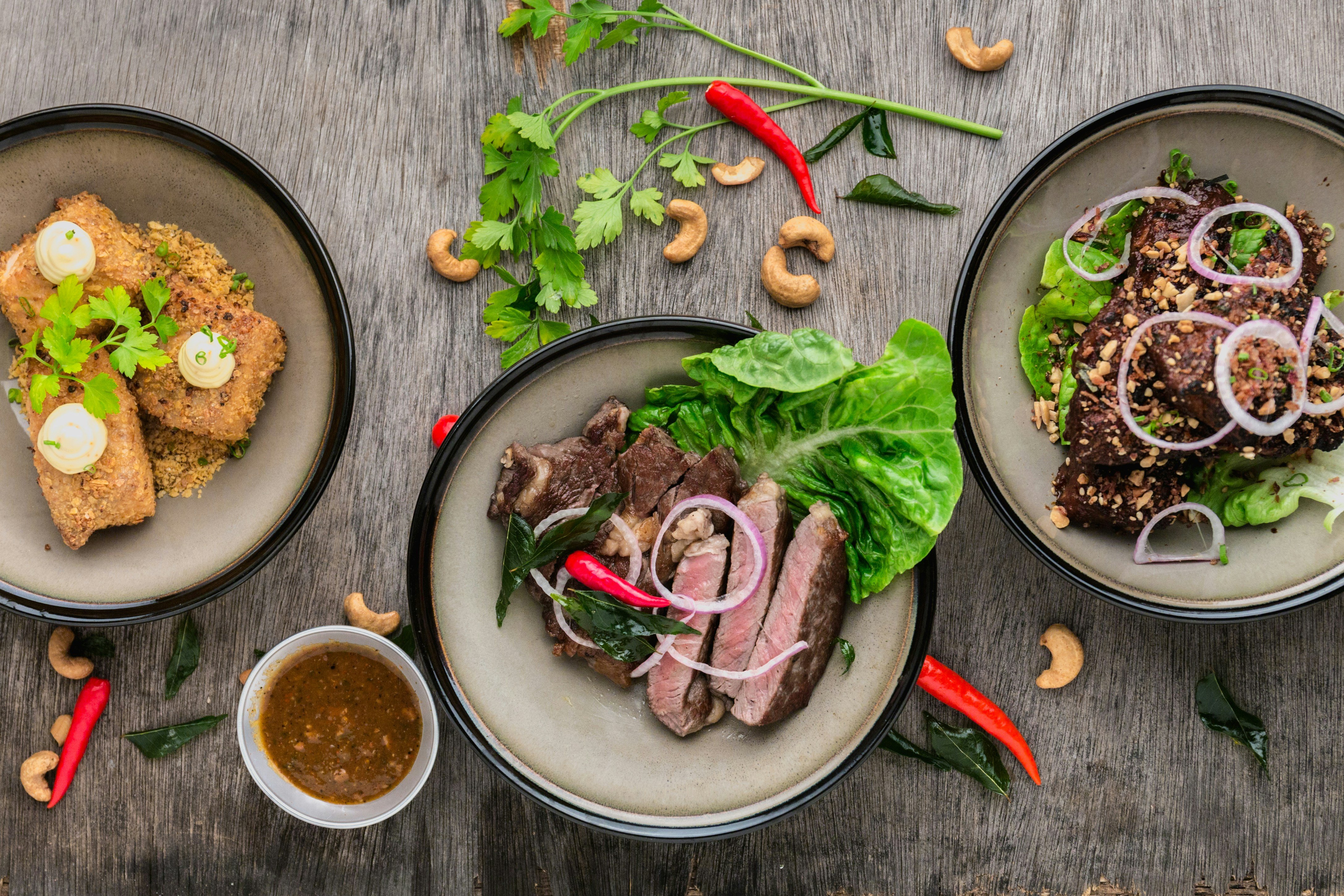
Découvrez Saint-Malo autrement ! Au-delà d’être une destination touristique, Saint-Malo se vit à travers des expériences inédites. Nous vous invitons à explorer la gastronomy secrète de la ville, vous lancer dans des activités nautiques peu communes et vous immerger dans le savoir-faire local à travers des ateliers et visites d’artisans.
Get ready, Saint-Malo has lots of surprises in store for you!
Secret gastronomy: must-visit addresses for locals
Gourmet delights are at the heart of the Saint-Malo experience, with Breton specialties and innovative recipes created by passionate chefs. For an authentic culinary journey, follow the locals' recommendations and discover Saint-Malo's hidden treasures:
- Le Bistrot de Solidor: This restaurant offers a breathtaking view of the Rance River and serves dishes made from local produce. Don't miss the salmon tartare, seafood risotto or duck breast with honey, not to mention the irresistible homemade desserts.
- La Maison Guella : An artisanal confectionery established in 1907, they produce delicious salted butter caramels, cookies, nougats and much more. Visit their workshop in Cancale and savor their creations in the Saint-Malo boutique. An original gift idea with their gourmet gift boxes.
- Carré Chocolat : A renowned chocolaterie and patisserie, it will delight sweet tooths. Discover a wide range of fine chocolates, macaroons, éclairs and other delicacies. Take advantage of our pastry workshops to learn the secrets of our chefs.
Water sports off the beaten track
If you're a lover of the sea, Saint-Malo offers a range of water sports activities that are out of the ordinary:
- Kitesurfing: Easy Ride introduces you to this sliding sport, offering courses for all levels. Enjoy the sea air and spectacular views of the Emerald Coast.
- Scuba diving : With Saint-Malo Plongée Émeraude, explore the bay's underwater treasures, from shipwrecks to seaweed gardens, and meet a diverse array of marine life.
- Fishing on foot : Al Lark invites you to discover this traditional practice. Accompanied by guides, learn to recognize species while respecting the environment. A convivial and enriching experience.
Workshops and visits to craftsmen: Malouin know-how revealed
Saint-Malo is also a melting pot of creativity where talented artisans share their passion:
- Sandra and Co's pottery: Discover the art of ceramics with Sandra, and create your own piece. You can also visit the store to find unique pieces.
- Le Couteau Breton : Immerse yourself in the world of artisan cutlery and discover the process of creating a knife, from forging to finishing. An opportunity to acquire a quality tool.
- L'Atelier du Verre : Learn the art of glassblowing with Jean-Pierre and make your own piece. A visit to the workshop offers a fascinating insight into glassmaking techniques.
Conclusion
It's clear that Saint-Malo has a lot to offer to those who visit it. Whether your passion is history, culture, nature or gastronomy, the corsair city is sure to meet your expectations. It's also home to many hidden treasures, ready to amaze and enchant you.
This article has shed light on some of these secrets, but Saint-Malo still has many mysteries to explore. Don't delay in planning your trip to Saint-Malo.
You won't regret it!
FAQ
How to visit Saint-Malo in 1 day
To discover Saint-Malo in one day, follow this itinerary:
- Start at the Grand-Porte, the city's oldest fortified entrance, and admire the statue of the Virgin and Child.
- Then take a tour of the ramparts for an exceptional view of the sea, port, beaches and historic monuments.
- Visitez la cathedral Saint-Vincent, construite au XIIe siècle, pour apprécier son architecture gothique et ses magnifiques vitraux.
- Take time out for lunch in a traditional crêperie and sample Breton specialties such as crêpes and galettes.
- Relax on Bon-Secours beach, one of Saint-Malo's most attractive, and contemplate the Fort National, a work of Vauban.
- Conclude your day with a visit to the Grand Aquarium Saint-Malo, a must for marine life enthusiasts.
What to do in Saint-Malo
In Saint-Malo, a variety of exciting activities await you:
- Stroll along the ramparts of Saint-Malo for a magnificent view of the sea and the city.
- Discover emblematic monuments such as the castle, Saint-Vincent cathedral and Fort National.
- Take advantage of the beaches of Saint Malo, especially the kilometre-long Plage du Sillon, ideal for swimming, sunbathing, surfing and sand yachting. Don't miss the high tides, an impressive natural spectacle.
Is Saint-Malo in Normandy or Brittany?
Saint-Malo est une ville bretonne, située dans le département d’Ille-et-Vilaine, et représente un port majeur sur la côte nord de la Bretagne. Elle se trouve à environ 75 km au nord de Rennes, la capitale régionale, et à 404 km de Paris.
What's the sea like in Saint-Malo?
The sea bordering Saint-Malo is the English Channel, an arm of the Atlantic Ocean that separates France from Great Britain. In Breton, the regional language of Brittany, it is called Mor Breizh.
