Château du Haut Koenigsbourg
Perched at an altitude of 700 metres in the majestic Vosges, lhe Château du Haut Koenigsbourg represents an emblematic jewel of the’Alsace, in France. Overlooking the Alsace plain and the Vosges mountains, and offering breathtaking views of the Alps on clear days, this fortified castle is anchored on a rocky promontory, capturing the essence of a breathtaking panorama.
Erected in the 12th century, Haut Koenigsbourg has stood the test of time, between moments of glory and adversity, including conquests, fires and phases of abandonment. It was masterfully restored at the end of the 19th century under the aegis of German Emperor Wilhelm II. Today, this historic monument, listed since 1993, stands as a pillar of France's historical heritage, testifying to the cultural richness of the region.
This article will take you on a journey through the fascinating history, remarkable architecture and diverse activities on offer at Haut Koenigsbourg, not forgetting the attractions of the surrounding area.
History and architecture of Haut Koenigsbourg
The castle's fascinating history
Château du Haut Koenigsbourg has a rich history spanning more than 900 years. Built in the 12th century, it has witnessed many key events, including wars and transitions of power. Over the centuries, it has been the property of several renowned lords, and its strategic location on a rocky outcrop has made it of paramount importance in the region.

The unique architecture of Haut Koenigsbourg
Haut Koenigsbourg is an outstanding example of medieval fortification architecture. The castle includes a lower courtyard with an inn, a forge and a mill, as well as a seigniorial residence accessible via spiral staircases. Typical features of the period, such as drawbridges, fortified walls, towers and keeps, have been preserved and offer a glimpse of medieval life. The presence of a weapons room, stocked with pikes, halberds, crossbows and the cannons of the Grand Bastion, underlines the castle's historic military importance.
20th-century restoration by Kaiser Wilhelm II
After periods of neglect, Haut Koenigsbourg was restored between 1900 and 1908 on the initiative of Emperor Wilhelm II of Germany. Architect Bodo Ebhardt, an expert in medieval fortifications, oversaw the restoration, relying on existing foundations, historical archives and studies of other castles from the same period. The restoration, although controversial in view of the Romantic nationalism of the time, now offers an authentic and instructive insight into the medieval fortifications typical of the region.

What you need to know to visit Haut Koenigsbourg
Opening hours and best times to visit
Château du Haut Koenigsbourg is open all year round, except on January 1, December 25 and 26. Opening hours vary according to the season. In summer, from June to August, the château is open from 9.15am to 6.45pm. For the rest of the year, from September to May, visits are possible from 9:15 a.m. to 5:45 p.m. or until 5:00 p.m., depending on the month. Please note that on Mondays, the château opens at 10:30 a.m.
Tips for an optimal visit
For the best visiting experience, we recommend buying your tickets online, especially during peak periods. The castle offers self-guided tours with explanatory materials in 14 languages, and also organizes guided tours for individuals and groups, with prior booking.
Don't forget comfortable walking shoes and weather-appropriate clothing. The tour includes around 300 steps of varying heights and orientations. Strollers are not allowed, so the use of a baby carrier is recommended for young children.
Special activities and seasonal events
Haut Koenigsbourg offers a variety of activities and events throughout the year. Discover the permanent exhibition retracing the castle's history, enriched with interactive and visual panels to better understand its defense system and daily life in the 15th century, as well as the remains of the 12th century.
You can also take part in the European Heritage Days for a unique discovery experience. Take advantage of your visit to explore other attractions in the region, such as the mountain eagle aviary or the famous Alsace wine route.

Exploring the region around Haut Koenigsbourg
Authentic villages and vineyards of Alsace
The region around Haut Koenigsbourg is famous for its charming villages and vineyards, typical of Alsace. Discover medieval villages such as Riquewihr, Kaysersberg and Eguisheim, where you'll be enchanted by cobbled streets, half-timbered houses and ancient churches. As you travel along the Alsace wine route, which passes through these villages, you'll have the opportunity to taste renowned Alsatian wines and visit cellars for wine-tasting sessions.
Nearby villages such as Sélestat and Kintzheim are within easy reach thanks to the shuttle service to the château.
Hiking and nature in the Vosges
Nature lovers and hikers will find plenty to do in the Vosges. Hiking trails, including one from Châtenois, offer magnificent views of the surrounding countryside and lead right up to the castle. The Vosges also lends itself perfectly to cycling, with diversified routes through forests and hills.
Its proximity to the Rhine and the Alsace plain means you can enjoy peaceful strolls along the canals and rivers, offering moments of calm and serenity.
Local cuisine and crafts
Alsace is renowned for its traditional cuisine and craftsmanship. Enjoy regional specialties such as tarte flambée, pretzels, kugelhopf and foie gras dishes. Local markets, such as the one in Sélestat, offer a fine selection of artisanal products, including cheeses, charcuterie and wines.
Craft workshops, scattered throughout the villages, will introduce you to traditional methods of creating ceramics, textiles and wood carvings. A visit to the castle can be enriched by exploring the culinary culture and local crafts.
Conclusion
The Château du Haut-Koenigsbourg is a masterpiece of French historical heritage, offering an exceptional plunge into the heart of medieval times. Its fascinating past, majestic architecture and meticulous restoration make it a must-see destination for anyone with a passion for history and culture.
Set in picturesque surroundings, it's the ideal starting point for discovering Alsace's charming villages, famous vineyards and sumptuous Vosges landscapes. This visit represents a unique opportunity to unravel the mysteries of its illustrious history.
Plan your visit now to explore the rich history and splendor of Alsace.
Places to visit around Château du Haut-Kœnigsbourg
In addition to this emblematic fortress, the region abounds in historical, natural and cultural sites worth the detour. Discover in this article the The best places to visit around Château du Haut-Kœnigsbourg for an unforgettable getaway.
1. The Aviary of Eagles: a fascinating spectacle
Located in Kintzheimat only 5 km castle, the Volerie des Aigles is a unique site in France where you can admire free-flying birds of prey in a medieval setting.
Why visit the Volerie des Aigles?
- Impressive shows with eagles, hawks and owls.
- An authentic setting in the ruins of a 12th-century castle.
- An educational approach to raising awareness protecting birds of prey.
It's an ideal family activity and a perfect complement to a visit to Haut-Kœnigsbourg.
2. Monkey Mountain: immersion in the heart of nature
For only 3 km castle, the Monkey Mountain in Kintzheim is a wildlife park where free-living more than 200 Barbary macaques.
What makes Monkey Mountain a must-see :
- Opportunity to observe these cage-free monkeys in a natural environment.
- An educational approach to better understand their way of life and the issues involved in preserving them.
- A pleasant walk in the heart of the Alsatian forest.
A fun, immersive experience for young and old!
3. The Alsace Wine Route: an enchanting itinerary
One of the region's major assets is its famous Alsace Wine Routewhich passes close to Haut-Kœnigsbourg castle. This tour 170 km long passes through picturesque villages and renowned vineyards.
Villages not to be missed :
- Ribeauvillé (10 km): Charming medieval town with half-timbered houses and castle ruins.
- Riquewihr (12 km): One of France's most beautiful villages, with cobbled streets and wine cellars.
- Eguisheim (30 km): Cradle of Alsatian wine, known for its unique circular architecture.
Things to do on the Wine Route :
- Wine tasting (Riesling, Gewurztraminer, Pinot Gris) in the wine estates.
- Stroll through the vineyards to discover typical Alsatian landscapes.
4. Sélestat: A town of art and history
À 12 km castle, the town of Sélestat is a cultural landmark not to be missed.
Places of interest in Sélestat :
- The Humanist Library UNESCO World Heritage Site, preserves rare 15th-century manuscripts.
- Sainte-Foy church and Saint-Georges churchA testimony to Alsace's religious heritage.
- Medieval ramparts and towerswhich recall the city's military history.
Sélestat is ideal for a cultural break after a visit to Haut-Kœnigsbourg.
5. Ballons des Vosges Regional Nature Park: hiking and nature
If you love nature and hiking, the Ballons des Vosges Regional Nature Park is an exceptional site located less than an hour's drive castle.
Why discover this park?
- Hiking trails for all levels, with breathtaking panoramic views of the Vosges.
- From glacial lakes such as Lac Blanc and Lac Noir.
- Preserved flora and fauna, perfect for nature lovers.
The perfect place for a break nature and relaxation after discovering the region's historic sites.
6. Colmar: A picturesque town with incomparable charm
À 30 km castle, Colmar is a must-see destination for its architectural and cultural heritage.
What to see in Colmar
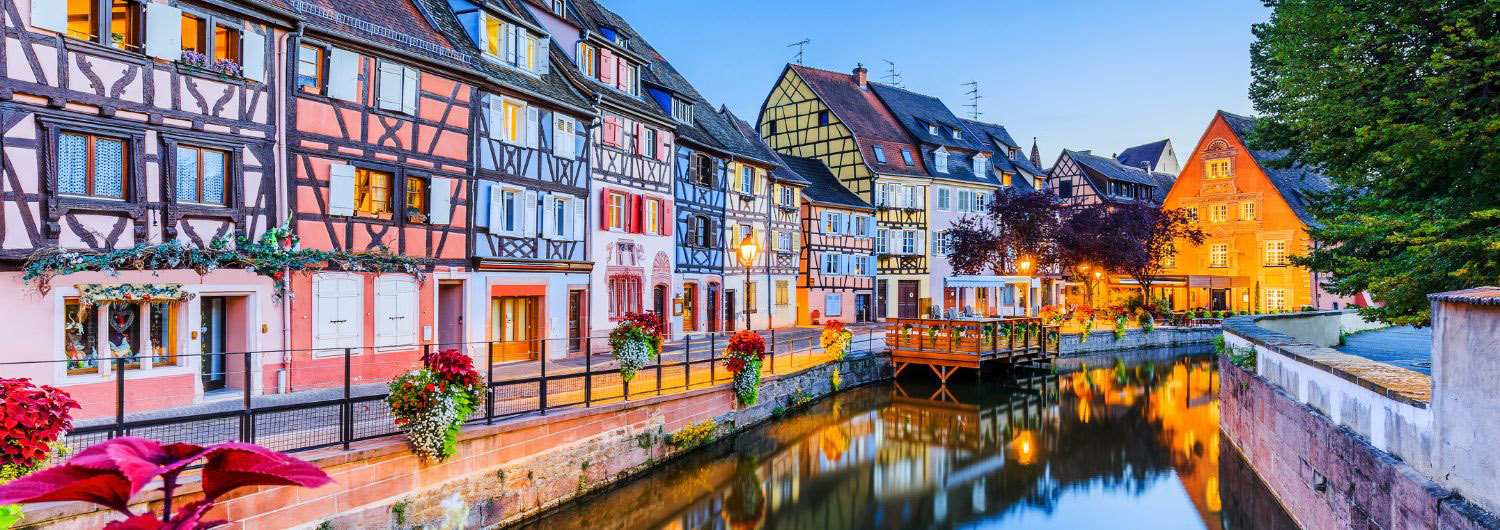
- Little Venice A picturesque district with colorful houses and canals.
- The Unterlinden Museum One of France's leading art museums, home to the famous Issenheim Altarpiece.
- Christmas market (in December), one of the most beautiful in Alsace.
With its romantic atmosphere and Alsatian specialities, Colmar is a perfect stopover after a visit to Haut-Kœnigsbourg.
7. Kaysersberg Castle: Another medieval gem
À 25 km Haut-Kœnigsbourg, Kaysersberg is a typical Alsatian village and home to the ruins of a medieval castle overlooking the valley.
Why visit Kaysersberg?
- Panoramic view from the castle.
- Picturesque alleyways and typical half-timbered houses.
- An authentic atmosphere with traditional Alsatian markets and festivals.
It's an ideal stopover for lovers of history and medieval architecture.
Conclusion
Around the Château du Haut KœnigsbourgThere are many different sites to visit: wildlife parks, Alsatian villages, nature walks and cultural heritage. Whether you're a fan of history, nature or gastronomyThe region offers an exceptional wealth of resources, promising an unforgettable experience. memorable getaway.
Whether you choose tasting a vintage wine on the Route des Vins, strolling through the medieval streets of Colmar or watching a bird-of-prey showyour visit to Haut-Kœnigsbourg can easily turn into an unforgettable experience. a complete adventure in the heart of Alsace.
So, are you ready to explore the wonders around the castle? 🚀
FAQ
How long does it take to visit Haut-Kœnigsbourg castle?
A visit to the Château du Haut-Kœnigsbourg lasts on average 1h30 to 2 hoursaccording to the time spent in each room and outdoors.
- A open house allows you to explore at your own pace, with explanatory panels along the way.
- A guided tour lasts about 1h30with in-depth explanations of the castle's history and architecture.
- To take full advantage of the site, especially the panoramic views over the Alsace plainit is advisable to plan 2 to 3 hours on site, including waiting time and exploring the surrounding area.
How do I get from Strasbourg to Haut-Kœnigsbourg castle?
The castle is located about 55 km southwest of Strasbourg. There are several options for getting there:
By car (approx. 50 minutes)
- Take theA35 towards Colmar.
- Output Sélestatthen follow the D159 towards Orschwiller and the castle.
- A free parking is available on site.
By train + shuttle (approx. 1h30)
- Take a train TER Strasbourg → Sélestat (approx. 20 minutes).
- From Sélestat station, take the Haut-Kœnigsbourg shuttle (in operation from April to November).
Cycling or hiking
- For the more athletic, a 20 km by bike from Sélestat takes you to the castle via panoramic roads.
- There are also hiking trails starting fromOrschwiller or Châtenois for walking enthusiasts.
How do I get from Ribeauvillé to Château du Haut-Kœnigsbourg?
The castle is located about 15 km of Ribeauvillé. Here are the options for getting there:
By car (approx. 20 minutes)
- Take the D1 bis towards Saint-Hippolyte.
- Follow the D159 to the castle.
By bike (approx. 1h)
- A cycle path takes you to the castle in gradually rising through vineyards and forest.
On foot (3-4 hour hike)
- A beautiful 10 km hike from Ribeauvillé passes through Thannenkirch and climbs up to the castle, offering magnificent Alsatian scenery.
Who decided to restore the ruins of Haut-Kœnigsbourg castle?
The German Emperor Wilhelm II who ordered the restoration of the château in 1899. At the time, Alsace was under German rule (since 1871, after the Franco-Prussian war).
- The ruins of the castle, abandoned since the 17th century, were offered to William II by the town of Sélestat.
- He entrusted the restoration to the famous architect Bodo Ebhardta specialist in medieval fortresses.
- The project lasted eight years (1900-1908) and aimed to reconstruct the château as it might have been in the 15th century, while also serving as a symbol of German imperial power.
Today, the Château du Haut-Kœnigsbourg is a French historic monument managed by the Bas-Rhin Departmental Council and classified since 1993.
What makes Haut Koenigsbourg so special?
Unique in Alsace, the Haut Koenigsbourg fortress stands out for its complete restoration, which transports us to the heart of a 15th-century mountain fortress. The rebirth was the work of Emperor Wilhelm II and architect Bodo Ebhardt, and was completed in the early 20th century.
Who owns Château du Haut-Koenigsbourg?
Today, the Bas-Rhin department is proud owner Haut Koenigsbourg castle.
Why are there so many castles in Alsace?
Alsace, with its rich history and strategic position, is dotted with fortified castles. Its role as a crossroads in the Middle Ages, the need to defend territories and trade routes, and political and seigniorial rivalries have all shaped this unique landscape.
What's the name of the château in Alsace?
The castles of Alsace bear a variety of names, including Haut Kœnigsbourg, Fleckenstein, Hohlandsbourg and Andlau, illustrating the richness and diversity of the region's heritage.