
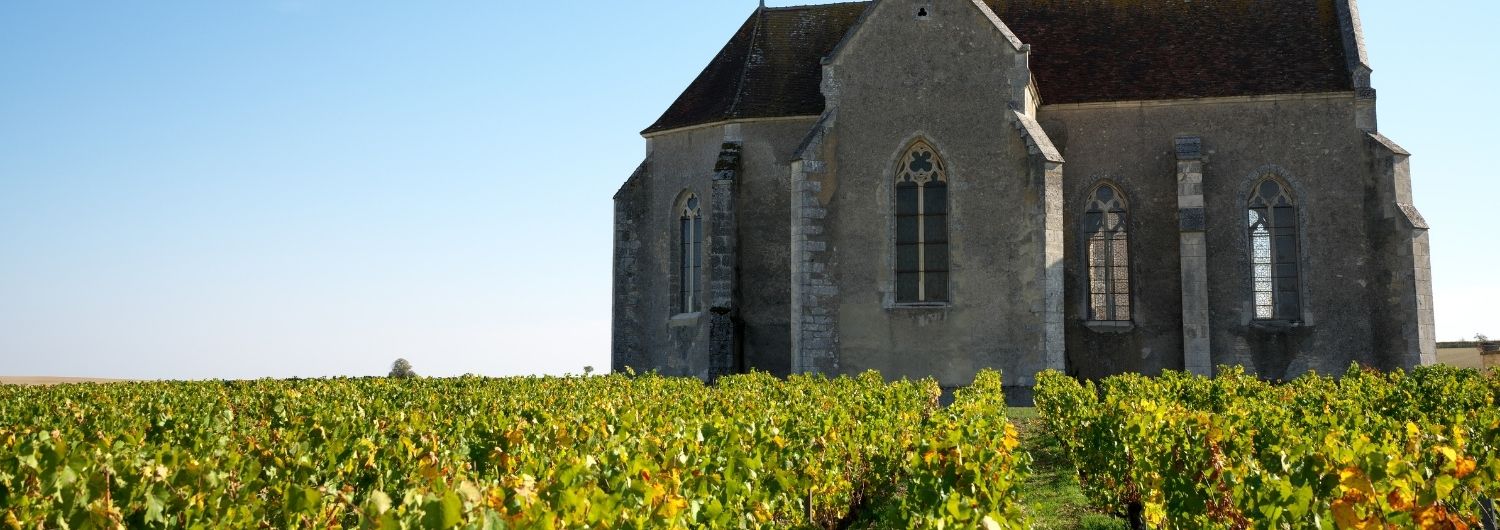
Chablis: Explore the town and its exceptional vineyards
Key Summary
Located in the heart of the Yonne department, in Burgundy, Chablis is a destination that combines heritage history, landscapes wine-growing and gastronomy. Renowned worldwide for its white wines made from Chardonnay, the town attracts thousands of visitors each year who come to explore its cellars, historic streets, and classified vineyards. The town also serves as an excellent gateway to exploring northern Burgundy. With wine tastings, walks through the vineyards, cultural tours, and encounters with local winemakers, the region offers a complete experience for wine tourism enthusiasts and travelers seeking authenticity alike.Introduction
Nestled in the Serein Valley, Chablis is much more than just a name on the map of France’s great wines. This small Burgundian town boasts a remarkable heritage, a history deeply intertwined with winemaking, and a natural setting that immediately captivates visitors.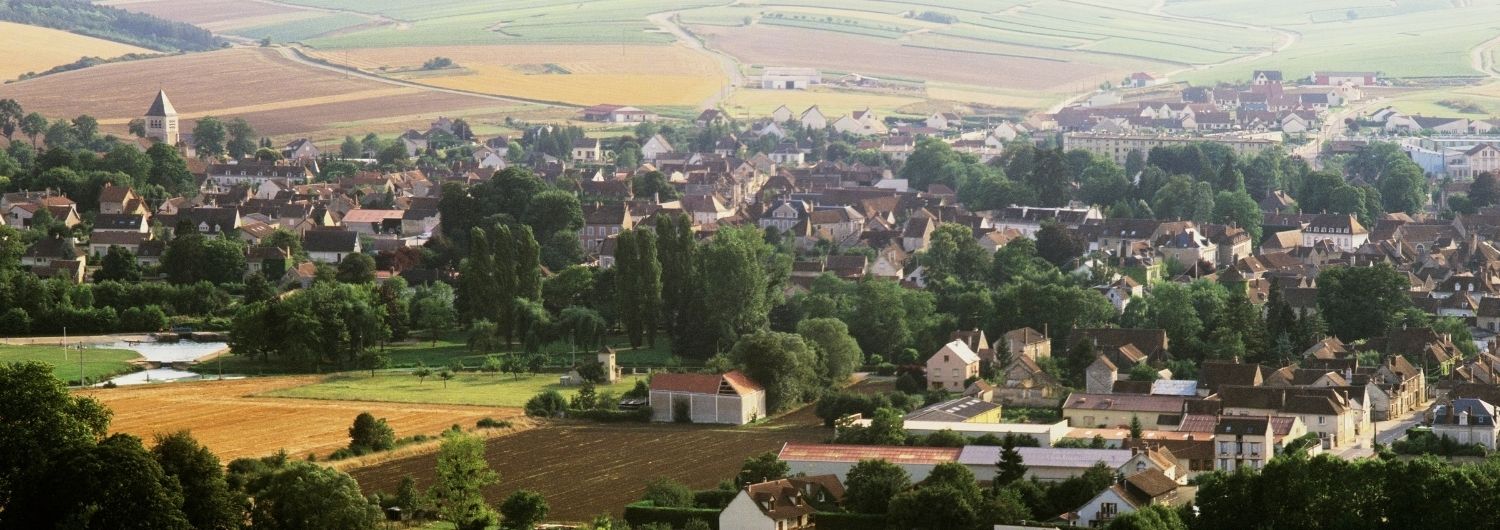 During a visit to this part of the Yonne, you can explore both the historic town and its monuments and its famous vineyards. This dual identity is what makes Chablis so special. Visitors can start their day with a stroll through the historic center, continue with a tour of a winery, and finish with a tasting paired with local specialties.
Chablis’s international reputation rests primarily on its exceptional white wines. According to the Burgundy Wine Council, the appellation covers several thousand hectares planted exclusively with Chardonnay and exports a large portion of its production worldwide. Source: https://www.bourgogne-wines.com
But it would be a mistake to reduce Chablis to just its wine. The destination also boasts a fascinating architectural heritage, landscapes shaped by centuries of winegrowing, and a wide range of tourist activities available year-round. Whether you’re a foodie, a history buff, or simply curious to explore an iconic region of Burgundy, the town offers plenty of reasons to stop by.
In this comprehensive guide, we’ll explore the history of Chablis, the main sites to visit, the characteristics of its vineyards, and the best itineraries wine tourism attractions as well as the must-see experiences during a stay in this part of Burgundy.
During a visit to this part of the Yonne, you can explore both the historic town and its monuments and its famous vineyards. This dual identity is what makes Chablis so special. Visitors can start their day with a stroll through the historic center, continue with a tour of a winery, and finish with a tasting paired with local specialties.
Chablis’s international reputation rests primarily on its exceptional white wines. According to the Burgundy Wine Council, the appellation covers several thousand hectares planted exclusively with Chardonnay and exports a large portion of its production worldwide. Source: https://www.bourgogne-wines.com
But it would be a mistake to reduce Chablis to just its wine. The destination also boasts a fascinating architectural heritage, landscapes shaped by centuries of winegrowing, and a wide range of tourist activities available year-round. Whether you’re a foodie, a history buff, or simply curious to explore an iconic region of Burgundy, the town offers plenty of reasons to stop by.
In this comprehensive guide, we’ll explore the history of Chablis, the main sites to visit, the characteristics of its vineyards, and the best itineraries wine tourism attractions as well as the must-see experiences during a stay in this part of Burgundy.
Why visit Chablis?
An iconic destination in Burgundy
Chablis holds a special place in Burgundy’s tourism scene. Located about 180 kilometers from Paris Located less than a two-hour drive from the capital, the town serves as one of the most accessible gateways to France’s great wine regions. This proximity partly explains its popularity among French and international visitors who wish to experience the Burgundian way of life without traveling long distances. The town’s reputation extends far beyond national borders thanks to its white wines, but Chablis’s appeal to tourists is not limited to its vineyards. Travelers also discover a well-preserved historic center, rolling landscapes, renowned cuisine, and a cultural heritage deeply rooted in centuries of history. According to the official website of the Grand Auxerrois Tourist Office, the region attracts many wine tourism enthusiasts every year who come to explore the wine route and meet local producers. Source: https://www.ot-auxerre.frA blend of cultural heritage, fine dining, and fine wines
One of Chablis’s main attractions is the variety of experiences it offers. Few destinations make it so easy to combine cultural exploration, wine tasting, and outdoor activities. In the town center, visitors can stroll through the historic streets lined with traditional Burgundian houses. The small squares, historic buildings, and remnants of the region’s winemaking past bear witness to the town’s economic importance since the Middle Ages. Gastronomy also plays a central role in the tourist experience. Several restaurants showcase regional products and food-wine pairings. Among the spots popular with visitors:- Au Fil du Zinc, 18 Rue des Moulins, 89800 Chablis.
- Le Bistrot des Grands Crus, 1 Rue Jules Rathier, 89800 Chablis.
- Hostellerie des Clos, 18 Rue Jules Rathier, 89800 Chablis.
The perfect getaway for a weekend
The town is perfect for a two- or three-day stay. Its center is easily accessible on foot, and most of the wineries are just a few minutes away from the historic center. A weekend in Chablis could, for example, be planned as follows: Day 1- Exploring the historic district.
- Tour of the Maison des Vins.
- First wine tasting at a winery.
- Wine Route Itinerary.
- Explore the nearby wine-growing villages.
- Lunch at a Burgundian inn.
- A scenic walk through the hills.
An attractive destination all year round
Unlike some wine regions that are highly seasonal, Chablis can be visited year-round. In the spring, the vines come back to life and the landscape gradually turns green. Summer is perfect for wine tastings on terraces and walks through the vineyards. Fall is harvest season, a time particularly cherished by wine lovers. Winter, meanwhile, offers a calmer atmosphere, ideal for exploring the cellars and enjoying local restaurants without the summer crowds. This seasonal diversity helps make the town an attractive destination no matter when you choose to visit.Must-try experiences
To get the most out of Chablis, there are several must-do activities:- Visit a winery and meet a winemaker.
- Take part in a guided wine tasting.
- Explore the wine tourism route.
- Explore the historic heritage of downtown.
- Enjoy the panoramic views of the vineyard-covered hillsides.
- Enjoy Burgundian specialties at local restaurants.
- Explore the surrounding wine-growing villages.
- Take part in wine tourism events held throughout the year.
Explore the town of Chablis
Stroll through the historic center
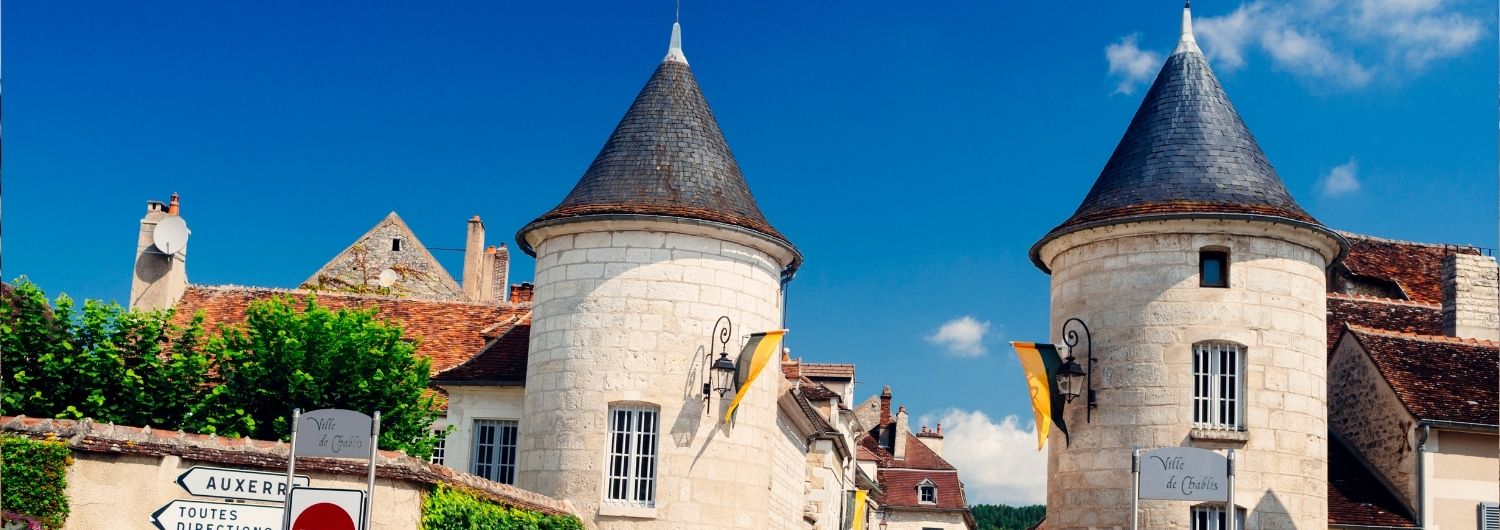
Visiting Chablis means, above all, taking the time to explore its historic center on foot. The town has retained a cozy, intimate feel, making it easy to discover its main attractions in just a few hours. The narrow streets, old light-stone houses, and buildings associated with the wine trade tell the story of several centuries of history. The best way to explore the town is to start your tour at the central square and then gradually make your way to the old neighborhoods lining the Serein River. Along the way, visitors will discover numerous wine cellars, specialty shops, and several buildings emblematic of the local heritage. The morning is generally the most pleasant time to stroll through the city center, especially in spring and summer when the streets are still relatively quiet.The Christmas Gate, a historic symbol of the town
L'church Saint Martin
Saint-Martin Church towers over the historic center with its imposing Gothic silhouette. Rebuilt between the 13th and 16th centuries, it bears witness to the economic and religious significance the city held during the Middle Ages. Its architecture Its elegant architecture and stained-glass windows attract many visitors every year. Address: Place Saint-Martin, 89800 Chablis Inside, several notable features are worth noting:- Gothic vaults.
- Antique religious furniture.
- The side chapels.
- Medieval sculptures.
L’Obédiencerie: a place steeped in history
The Obédiencerie is one of the city’s most interesting historic buildings. According to local tradition, it was in its cellars that monks began to develop certain winemaking practices that contributed to the reputation of the region’s vineyards. Today, the site hosts tastings and tours that offer a deeper understanding of the history of local wine production. Address: 4 Rue de l’Équerre, 89800 Chablis This tour offers an excellent introduction to the region's wine heritage.Le Cellier du Petit Pontigny
Housed in a former Cistercian monastery dating back to the 12th century, the Cellier du Petit Pontigny is a must-see destination. This historic site regularly hosts:- Exhibitions.
- Cultural events.
- Wine-themed gatherings.
- Tourist events.
The Wine House
To quickly understand the different wine classifications and plan your tastings, the Maison des Vins is often the best place to start. The staff on site can provide information on:- Wineries to visit.
- Local names.
- Current events.
- Wine tourism routes.
Take a walk along the Serein
The Serein River lends a special charm to the urban landscape. The landscaped riverbanks offer a peaceful stroll with beautiful views of the bridges, historic houses, and surrounding hillsides. This walk is particularly pleasant in the late afternoon when the light highlights the stone facades. Photographers especially appreciate:- The reflections on the river.
- The views of the vineyards.
- Historic bridges.
- Views of the historic district.
The Best Places to Eat
Exploring the city also involves its cuisine.Along the Zinc
Address: 18 Rue des Moulins, 89800 Chablis This fine-dining restaurant is regularly cited as one of the best local spots. The menu highlights regional ingredients and pairs them with local wines.Hostellerie des Clos
Address: 18 Rue Jules Rathier, 89800 Chablis A local institution, this restaurant serves refined Burgundian cuisine that is popular with both visitors and locals alike.The Bistrot des Grands Crus
Address: 1 Jules Rathier Street, 89800 Chablis A welcoming spot that’s perfect for sampling regional specialties in a relaxed atmosphere.The shops and wine cellars in the city center
The historic district also features numerous wine tasting cellars and specialty shops. Visitors can purchase:- Wines from local vineyards.
- Local products.
- Burgundian specialties.
- Handcrafted souvenirs.
How much time should I set aside to visit the city?
A half-day is usually enough to see the main sights. However, travelers who want to fully enjoy Chablis—visiting several wineries, having lunch at a traditional restaurant, and exploring the surrounding area—would be well advised to set aside at least a full day. This initial immersion in the town allows you to then explore the vineyards with greater ease—a true treasure of the region and the main draw for tourists.The Chablis vineyards: a terroir unlike any other in the world
A landscape shaped by vineyards
The Chablis vineyards are among the most famous wine-growing landscapes in France. Surrounding the town, the hillsides form a vast natural amphitheater where rows of vines follow the contours of the Serein Valley. For visitors, this immersion in the vineyards is often the highlight of their stay. Winding roads traverse the vineyards, offering remarkable views of the hills that have been cultivated for centuries. The wine-growing region spans some twenty municipalities around the historic center. This concentration of vineyards creates a particularly uniform and instantly recognizable landscape.What is a wine-growing region?
The term terroir refers to all the natural factors that influence wine production:- The floor.
- The basement.
- The climate.
- The aspect of the hillsides.
- Cultivation practices.
The famous Kimmeridgian soil
One of the vineyard’s main distinctive features lies in its subsoil. Most of the most prestigious plots rest on what geologists call the Kimmeridgian, a formation dating back approximately 150 million years. These geological layers consist of:- Marl.
- Clays.
- Limestone.
- Marine fossils.
- Fossilized oysters.
Why does the soil have such a big influence on wines?
The basement acts as a natural regulator. It influences:- Water supply for the vineyard.
- Root development.
- The ripening of the grapes.
- The balance between acidity and aromatic richness.
A distinctive northern climate
The region has a semi-continental climate characterized by significant seasonal contrasts. Winters can be harsh, while summers remain relatively mild compared to other French wine-growing regions. This geographical location offers several advantages:- Slow ripening of the grapes.
- The acidity is beautifully preserved.
- A precise aromatic profile.
- A natural freshness sought after by connoisseurs.
Methods for protecting against frost
Visitors are often intrigued by the devices they see in certain plots. To protect the buds during cold nights, several techniques are used:Antifreeze candles
Hundreds of candles are placed between the rows of vines to slightly raise the ambient temperature.The sprinkling of water
Some orchards spray water on the buds. As it freezes, the water forms a protective layer that limits the damage.Antifreeze towers
This equipment circulates air to reduce temperature variations within the plots. These methods have become essential in certain years that are particularly prone to frost.Chardonnay, the vineyard’s sole grape variety
Another key feature of the region is its exclusive use of Chardonnay. This white grape variety is grown across all local appellations. In other regions, Chardonnay can produce rich, full-bodied wines. Here, under the influence of the northern climate and limestone soils, it develops a different profile:- Noticeably cool.
- Notes of citrus.
- Aromas of white flowers.
- Mineral tension.
- A lovely, lingering finish.
The most spectacular landscapes
For photography enthusiasts, several areas offer remarkable views.The Perspective of the Grand Crus
Located on the hills overlooking the valley, this area offers views of some of the vineyard’s most prestigious plots.The hillsides along the right bank of the Serein
These hills offer magnificent views of the city and the rows of vineyards.The road between Chablis and Préhy
This route is often considered one of the most scenic in the region. In the spring and fall, the colors of the landscape attract many photographers.The vineyard today
Today, the Chablis vineyards are a major economic driver for the entire region. Hundreds of wineries operate across the various appellations and welcome visitors from around the world. Wine tourism is experiencing steady growth thanks to:- The quality of the infrastructure.
- Welcoming producers.
- The richness of the local heritage.
- Events held throughout the year.
- The worldwide reputation of the wines.
Frequently Asked Questions About Chablis
What can you see in Chablis in a day?
A single day is enough to explore most of Chablis’s must-see attractions. Visitors can start with the historic center, featuring Saint-Martin Church, the Porte Noël, and the banks of the Serein River. The Maison des Vins is then an excellent stop to learn about how the vineyards are organized, before continuing on to a winery tour and tasting.
To round out the day, we recommend exploring the vineyard-covered hillsides and taking in the panoramic views of the valley. This itinerary offers a glimpse of both the city’s heritage and the surrounding wine-growing region.
How much time should I set aside to visit Chablis?
The ideal duration depends on each person's interests.
- One day is enough to see the main tourist attractions.
- Two days give you plenty of time to visit several wineries and explore the nearby wine-growing villages.
- Three days are enough to explore the vineyards, landscapes, and regional heritage in depth.
Most visitors opt for a two-day stay to fully enjoy the wine tourism experience offered in Chablis.
When is the best time to visit Chablis?
The destination can be visited year-round, but certain times of the year are particularly popular.
Spring brings lush green landscapes and pleasant temperatures. Summer is the perfect time to enjoy outdoor dining and a wide range of outdoor activities. Fall is harvest season and delights photography enthusiasts with the vibrant colors of the vineyards. Winter attracts visitors seeking a quiet, authentic atmosphere.
For many travelers, May, June, September, and October are the best times to visit Chablis.
Can we visit the wineries without a reservation?
Some establishments welcome walk-in visitors, particularly in the downtown area.
However, for the most renowned wineries, it is strongly recommended that you make a reservation. This ensures that a guide or winemaker will be available and allows you to arrange a tasting under the best possible conditions.
During long weekends and the tourist season, reservations are often essential.
What is the difference between Petit Chablis and Chablis?
Both Petit Chablis and the Chablis appellation use the Chardonnay grape variety, but the vineyards in question do not have exactly the same geological and topographical characteristics.
Petit Chablis generally produces lighter, livelier wines that are meant to be enjoyed relatively young.
The Chablis appellation often exhibits greater minerality, complexity, and aging potential.
These differences are mainly due to the terroirs and the aspect of the plots.
What is the difference between Chablis Premier Cru and Grand Cru?
Chablis Premier Cru wines come from vineyards that are particularly renowned for their quality.
Chablis Grand Cru wines represent the highest tier in the local appellation hierarchy. They are produced from a single hillside comprising seven prestigious climats.
Grands Crus generally offer:
- Greater concentration.
- Better ability to age well.
- A rich, complex bouquet.
- A remarkably long finish.
These wines are among the world's finest Chardonnays.
What are the best vineyards to visit?
The choice depends on the type of experience you're looking for.
Among the areas regularly recommended by enthusiasts and specialized guides are:
- William Fèvre Estate.
- Laroche Estate.
- Jean-Marc Brocard Estate.
- Long-Depaquit Estate.
- Louis Michel & Sons Estate.
Most offer guided tours, wine tastings with commentary, and tours of the vineyards.
What dishes go well with a Chablis wine?
Chablis wines pair particularly well with:
- Oysters.
- Seafood.
- Shellfish.
- Grilled fish.
- Sushi.
- Goat cheeses.
- Some cream-based poultry dishes.
This versatility explains their popularity in many fine-dining restaurants around the world.
Can you visit Chablis without being a wine lover?
Absolutely.
Although the vineyard is the main attraction, the destination also offers:
- An interesting historical heritage.
- Remarkable landscapes.
- Hiking trails.
- Bike tours.
- Renowned cuisine.
- Several cultural sites.
Visitors who aren't particularly interested in wine will easily find plenty of things to do in the city and its surroundings.
How to get to Chablis from Paris ?
A car is usually the simplest solution.
The trip takes about two hours, depending on traffic conditions.
You can also take a train from Paris to Auxerre and then continue by taxi or rental car to Chablis.
This proximity to the capital plays a major role in the town's success as a tourist destination.
Where can I get tourist information while I'm there?
The main visitor center is:
Chablis, Cure, and Yonne Tourist Office 1 Rue du Maréchal de Lattre de Tassigny 89800 Chablis
Travelers will find:
- Vineyard maps.
- Information about tours.
- Opening hours for the resorts.
- Tips from’hosting.
- Event Calendar.
