
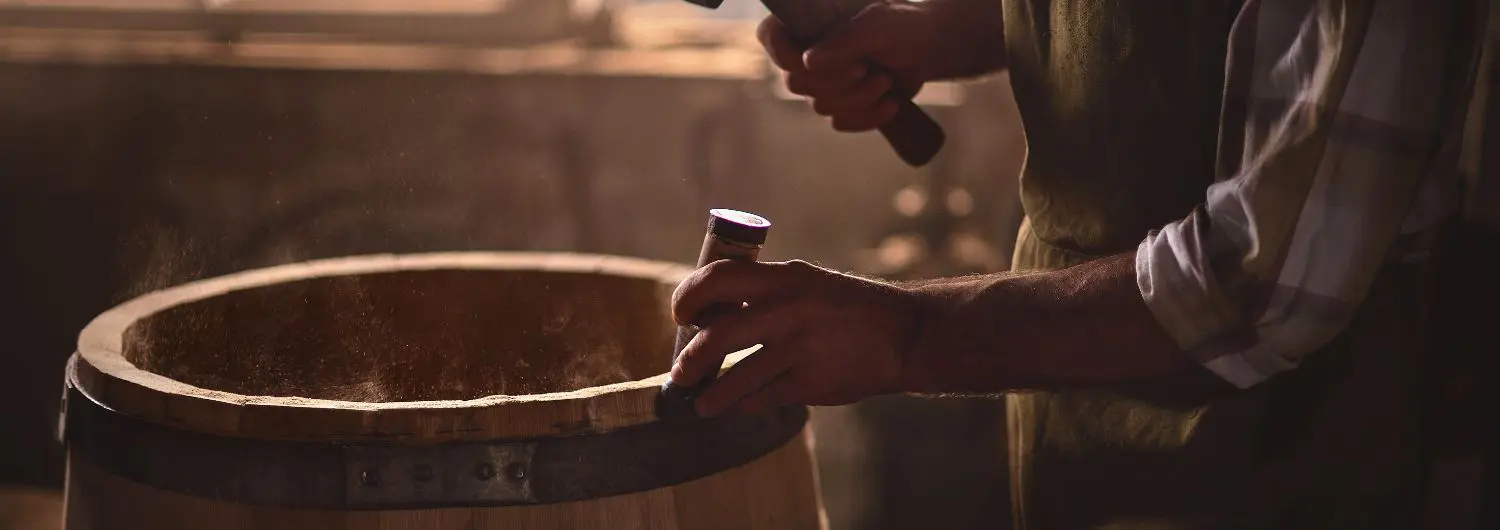
Cooperages in France
Visit cooperages in France represent an ancient craftsmanship, essential in the world of wines and spirits. As you travel around the country, you'll discover that every region has its own techniques and specificities, whether for barrel or cask making, depending on the type of alcohol produced. What's more, the cooperage is an integral part of the heritage living French and offers a wide range of visitsouvenir shopping, as well as captivating tourist experiences the country. Let's explore this age-old art form, its processes, its players and its regional secrets.
What is cooperage?
Visit cooperage is the art of making barrels, casks or barriques, used primarily for fermenting, maturing and transporting wines, beers and spirits. This ancestral craft is based on meticulous know-how, where the choice of wood, often oak, and mastery of its curvature are essential to the quality of the final product.
Visit coopers work each piece of wood with precision, ensuring that each barrel contributes to the optimal aging of beverages. In France, the art of cooperage is particularly renowned in wine-growing regions such as Burgundy, Bordeaux and the Rhône Valley.
The barrel-making process
The barrel-making process is complex and requires several meticulous steps:
1. Wood selection
The choice of wood is crucial, generally oak, for its impermeability and ability to exchange with the air, while adding aromas to the liquid. The oak is left to dry naturally in the open air for several months or even years.
2. Splitting and slicing
Oak trunks are split into staves (long, thin pieces of wood), which form the barrel's staves. This process ensures that the wood fibers remain intact, guaranteeing the barrel's watertightness.
3. Assembly
The staves are then assembled around a base. They are heated with steam or over low heat to bend them, a step called "bending". The craftsman uses metal hoops to hold the staves in place.
4. Roasting
The inside of the barrel is toasted to bring out specific aromas (vanilla, caramel, smoke). This degree of roasting is chosen according to the type of alcohol it will be used for, with significant variations between wine, whisky and rum.
5. Final assembly and testing
The bottoms of the barrel are fitted, and additional metal hoops are attached to reinforce the structure. Each barrel is then leak-tested.
Cooperage trades in France
Visit cooperage groups together various specialized trades:
- The cooper Master craftsman responsible for barrel making.
- The stave mill The person who selects, splits and shapes the wood used to make the staves.
- The stag He forges and fits the metal rings that hold the staves together.
Each of these trades requires specific training and expertise in handling wood and metal.
France's historic cooperages
France has several historic cooperages that have preserved ancestral traditions while adapting to modern needs. Some of the oldest cooperages are located in renowned wine-growing regions:
- Tonnellerie Radoux (Charente): founded in 1947, it is famous for its barrels for spirits such as cognac.
- Tonnellerie Seguin Moreau (Cognac and Burgundy): one of the oldest cooperages, founded in 1870.
- Tonnellerie François Frères (Burgundy): renowned for its barrels used in the vinification of Burgundy Grands Crus.
Cooperage museums and tourist sites
For lovers of heritage and craftsmanship, there are several museums and tourist attractions in France are devoted to cooperage:
- The Cooper's Museum in Mézin (Lot-et-Garonne): dedicated to the history of barrel-making and its evolution through the centuries.
- The Maison des Vins de Bourgogne (Beaune): in addition to tours of the cellars, this museum presents old cooperage tools.
- The Museum of Cognac Arts (Cognac): traces the history of cognac and cooperage in the Charente region.
Differences in barrel making for different alcohols
Each type of alcohol requires its own specific barrel construction. For example:
- The wine The barrels used for wine are often smaller (225 liters) for optimum contact with the wood. Roasting is light to medium, so as not to overpower the wine's natural aromas.
- Whisky For whisky, roasting is often more pronounced, and barrels are generally larger.
- Rum Barrels: The barrels used for rum are often old bourbon or wine barrels, bringing distinct, more complex aromas to the spirit.
Cooperage tours, shopping and souvenirs
Numerous cooperages in France offer guided tours to discover their know-how. These tours often include demonstration workshops where you can observe each stage of the production process. You'll also find stores selling barrels and related products:
- Wooden caps A typical souvenir of wine-growing regions.
- Mini-barrels Decorative or useful objects for ageing at home.
- Barrel-aged wine or spirits Some cooperages sell bottles from their barrels.
In Burgundy or Bordeaux, these tours are often coupled with tastings of local wines, offering an immersive experience in the world of wine.
Frequently asked questions
What's the difference between a barrel and a cask?
A barrel is a generic term for a wooden container, while the barrel is more specifically used for wine, often with standardized dimensions.
How long does it take to make a barrel?
It takes an average of a week to make a barrel, but the wood has to dry naturally for several years before it can be used.
How long does a barrel last?
A barrel can last up to 50 years, but is often renewed every 3 to 5 years in the cellars to avoid excessive tannin impregnation.
Can you visit cooperages in France?
Yes, several cooperages in France, notably in Burgundy and Cognac, offer guided tours.
What type of wood is used for barrels?
Visit oak is mainly used for its mechanical qualities and aromatic properties.
Conclusion
Visit cooperages in France represent an essential part of France's wine and spirits heritage. Whether you're a wine, whisky or rum lover, discovering the art of cooperage is a great way to appreciate the subtleties of these spirits. For the curious, it's possible to visit these artisan workshops, buy souvenirs or even personalized barrels. A true journey back in time and into the traditions of French savoir-faire.
