
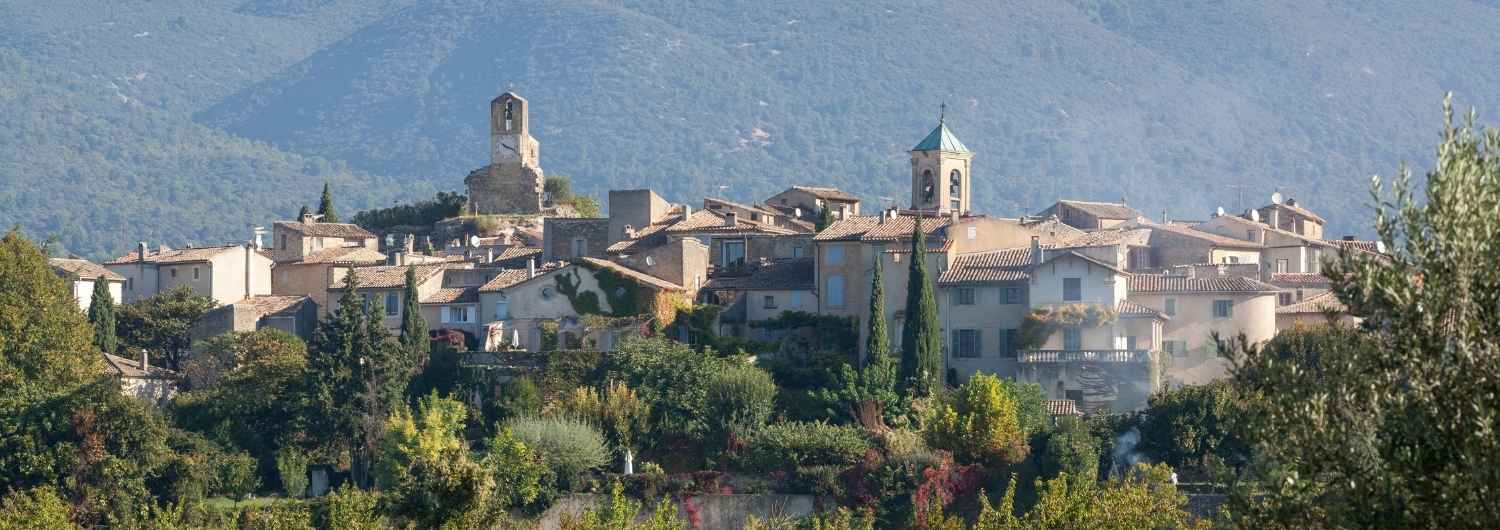
Lourmarin at a Glance
A Provençal village where heritage and the art of living come together
Located in the department of Vaucluse, located in the heart of the Luberon Regional Nature Park, Lourmarin is one of Provence’s most popular destinations. This charming town has a population of just over 1,100 and has been awarded the The Most Beautiful Villages in France. Its elegant atmosphere, rich architectural heritage, and vibrant cultural life make it a must-see destination during a trip to southeastern France.
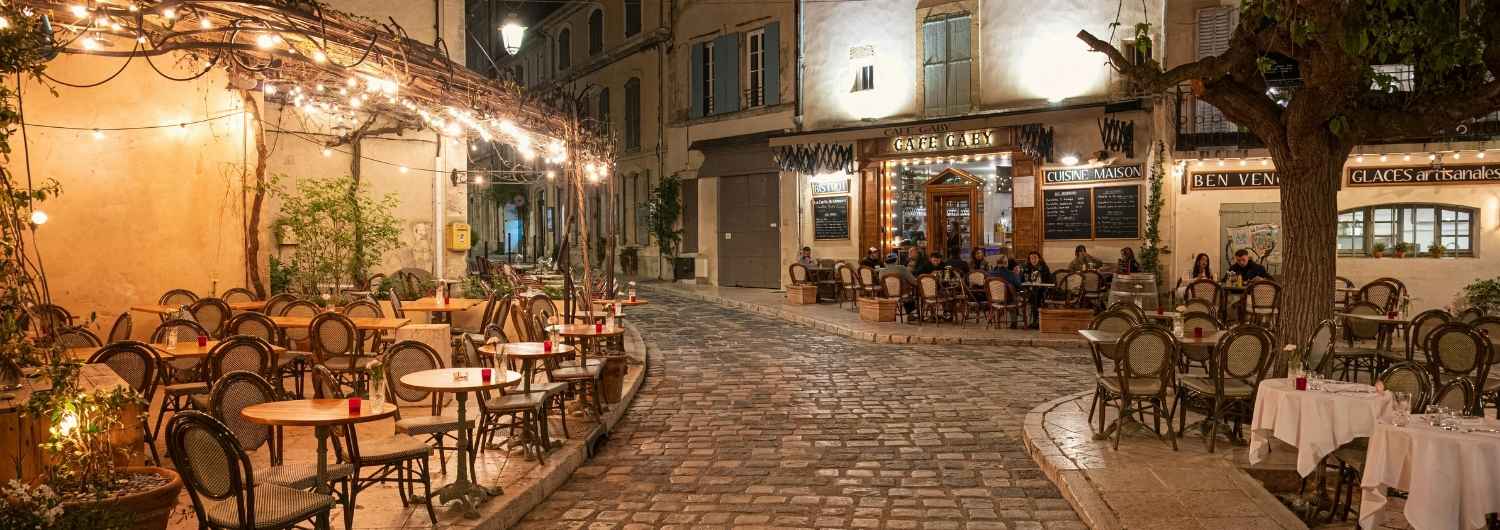
Unlike some of the hilltop villages in the Luberon, this town stretches out across a valley, making it particularly pleasant to explore on foot. Its shaded squares, ancient fountains, and stone facades create a quintessentially Provençal setting that appeals to history buffs, photography enthusiasts, and gastronomy.
Essential Information Before Your Visit
| Information | Detail |
|---|---|
| Department | Vaucluse |
| Region | Provence-Alpes-Côte d'Azur |
| Label | The Most Beautiful Villages in France |
| Altitude | About 200 m |
| Recommended time | One to two days |
| Market Day | Friday morning |
| Château | 2 Avenue Laurent-Vibert, 84160 Lourmarin |
| Tourist office | Place Henri Barthélémy, 84160 Lourmarin |
The weekly market, held every Friday morning on Boulevard du Rayol and Place Henri-Barthélémy, brings together up to 150 vendors offering local products, crafts, and Provençal specialties. In the summer, it’s best to arrive before 9 a.m. to enjoy a quieter atmosphere.
Why visit this destination?
This village offers a remarkable variety of attractions within a small area. In just a few hours, you can visit a Renaissance castle, stroll through medieval alleyways, explore art studios, have lunch on a shaded terrace, and then end the day taking in the Luberon countryside.
One of its major attractions is also its location. From the town, it’s easy to reach Ansouis, Cucuron, Bonnieux, Roussillon, or Gordes. That’s why many travelers choose to stay there for several nights so they can explore the entire Luberon region.
Quote
«The Château de Lourmarin was the first Renaissance castle built in Provence and remains one of the Luberon’s most iconic landmarks today.» — Fondation du Château de Lourmarin.
Where is Lourmarin located?
A prime location in the heart of the Luberon
Lourmarin is located in the southern part of the Vaucluse department, in the Provence-Alpes-Côte d’Azur region. The town lies at the entrance to the Combe de Lourmarin, a natural pass that runs through the Luberon massif and connects the Petit Luberon to the Grand Luberon. This geographical location gives it a landscape quite different from that of the neighboring hilltop villages, with gentler terrain and vast agricultural areas consisting of vineyards, olive groves, and almond orchards.
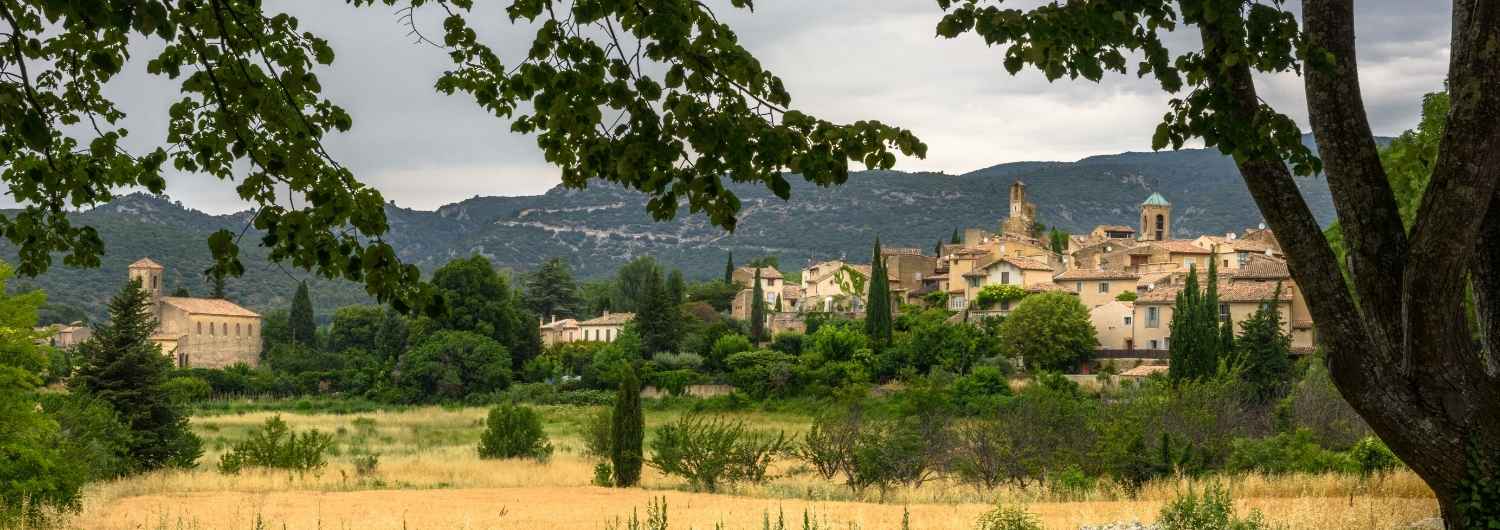
The village belongs to the Luberon Regional Nature Park, a region renowned for its rich biodiversity, scenic landscapes, and geological heritage. This unspoiled setting explains why the destination appeals to nature lovers as well as history and food enthusiasts.
According to the National Institute of Statistics and Economic Studies (INSEE), the town covers an area of more than 20 km² and has a population of just over 1,100, which allows it to maintain a peaceful atmosphere throughout the year, except during peak tourist seasons.
How do I get to the town?
Lourmarin is easily accessible by car from the major cities of Provence.
| Departure City | Distance | Average time |
|---|---|---|
| Aix-en-Provence | 40 km | 45 min. |
| Avignon | 70 km | 1 h |
| Marseille | 70 km | 1 hour 10 minutes |
| Salon-de-Provence | 45 km | 50 min |
L'itinerary The most pleasant route takes you along the county roads that wind through the Luberon countryside. In the spring, orchards in bloom line the route, while summer offers magnificent views of the nearby vineyards and lavender fields.
For travelers using public transportation, several regional bus routes serve the town from Aix-en-Provence and Pertuis. Schedules vary by season; therefore, it is recommended that you check the official information before departure.
Where can I park during my visit?
The historic center is largely reserved for pedestrians, which adds to the charm of the visit. Several parking lots are located just a few minutes' walk from the main attractions.
The most practical ones are:
- Rayol Parking Lot, Rayol Boulevard; ;
- Parking des Cerisiers, near the center; ;
- La Fruitière Parking Lot, accessible to passenger vehicles.
During peak season—especially on Friday mornings when the market is in session—it’s best to arrive before 9 a.m. so you can easily find a spot and enjoy the narrow streets while the atmosphere is still peaceful.
An ideal location for exploring the Luberon
One of Lourmarin’s greatest advantages is its proximity to several of Provence’s most beautiful villages. In less than thirty minutes by car, you can reach Ansouis, Cucuron, Bonnieux, or Lacoste. Gordes and Roussillon are also within a reasonable distance for a day trip.

This central location makes it easy to plan a trip without having to change locations too often’hosting. In fact, many visitors choose the town as a starting point for exploring the entire Luberon region, combining cultural visits, walks through the vineyards, and culinary discoveries.
Source : INSEE, Lourmarin municipal profile; Luberon Regional Nature Park.
Must-See Attractions in Lourmarin
Lourmarin Castle, a jewel of the Provençal Renaissance
You can’t visit Lourmarin without stepping inside its castle, considered the first Renaissance castle built in Provence. Constructed beginning in the late 15th century and later remodeled in the 16th century, it combines a architecture medieval style with Italian influences, giving it a rare elegance in the region.
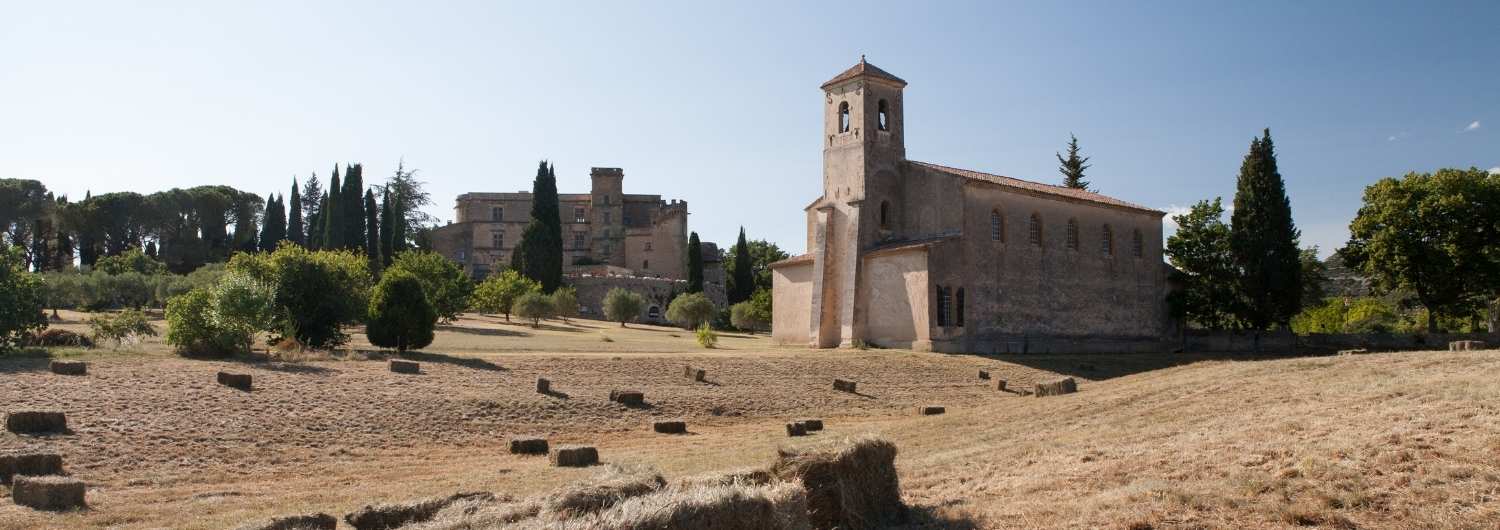
Inside, several rooms feature period furniture, art collections, and temporary exhibitions. The monumental staircases, loggias, and large windows reflect the evolution of French architecture during the early Renaissance.
The castle also hosts concerts, lectures, and cultural events organized by the Laurent-Vibert Foundation, which has been working for more than a century to preserve the historic site.
Practical information
- Address: 2 Avenue Laurent-Vibert, 84160 Lourmarin
- Duration of the tour: 1 hour 30 minutes to 2 hours
- Tip: Plan your visit for early in the morning during the summer to enjoy the galleries in peace and quiet.
Stroll through the narrow streets of the historic district
The true charm of Lourmarin is best discovered without a set itinerary. The cobblestone streets invite you to stroll among the old houses, vaulted passageways, stone staircases, and facades covered in climbing plants.
Along the way, several historic fountains dot the route. They serve as a reminder of the importance of water in everyday life in Provence before the advent of modern water systems.
Be sure to take a moment to look up: many of the buildings feature mullioned windows, carved doors, and architectural details dating from the Renaissance or later centuries.
Henri-Barthélémy Square, the heart of the village
This lively square is the main gathering place for locals. Starting in the morning, the outdoor seating areas fill up with people enjoying coffee as the shops gradually open their doors.
On Fridays, the square hosts part of the famous Provençal market. Local producers offer fruits, vegetables, cheeses, olive oil, honey, lavender, spices, and regional specialties in a friendly atmosphere.
For a gourmet break, several restaurants have shaded patios that are especially pleasant on sunny days.
The Provencal market
The Lourmarin market is one of the most famous in the Luberon. Every Friday morning, more than a hundred vendors take over the streets of downtown to showcase local Provençal products.
You'll find local farmers, artisans, florists, jewelry designers, and fabric vendors there. It's the perfect place to discover regional flavors and pick up a few local specialties.
Helpful Tip
Arrive before 9 a.m. if you want to find parking easily and enjoy the market before it gets crowded.
The Protestant Church
Built in the early 19th century, the Protestant church serves as a reminder of Lourmarin’s unique history, which was marked by a large Protestant community following the Wars of Religion.
Its deliberately understated architecture contrasts with that of the churches traditional Provençal churches. This simplicity reflects the principles of the Reformed faith while also serving as a valuable testament to local religious history.
The Church of Saints Andrew and Trophimus
Located just a few steps from the historic center, this church combines several architectural styles, a result of the many renovations carried out over the centuries.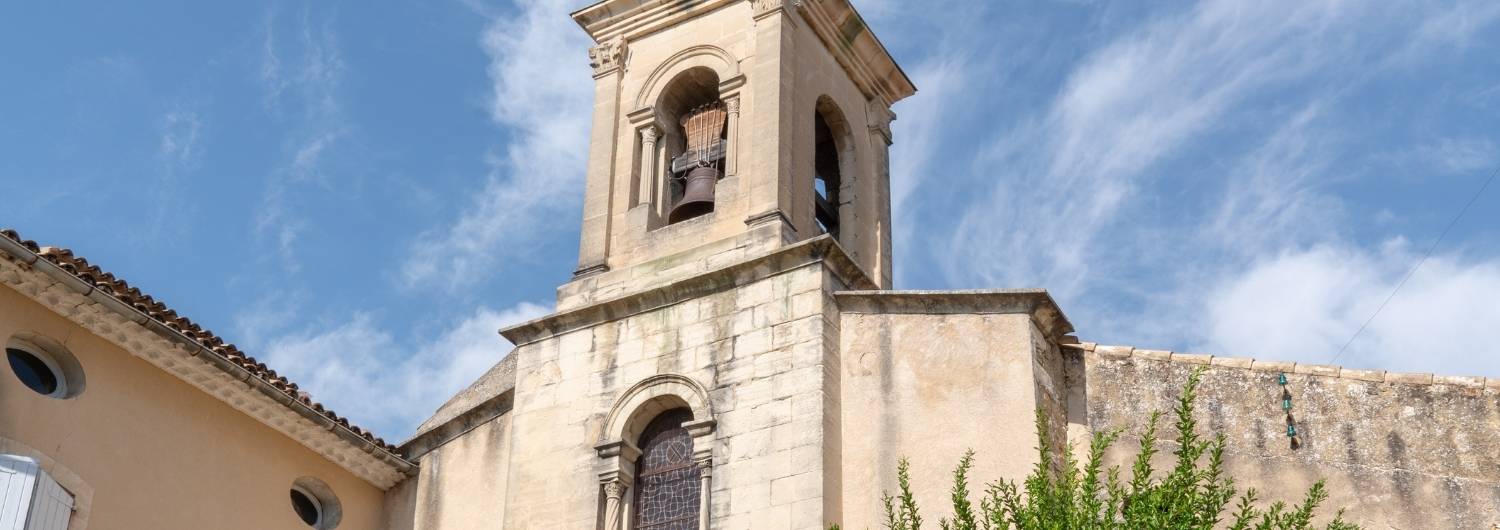
Its bell tower overlooks the village and serves as an excellent landmark during the walk. Inside, visitors can see several works of religious art as well as carefully preserved antique furnishings.
Art galleries
For several decades, Lourmarin has attracted painters, sculptors, photographers, and artisans. Several galleries showcase contemporary works inspired by the landscapes of the Luberon and the light of Provence.
Even if you don't buy any art, these spaces offer a chance to experience the artistic vitality that animates the town throughout the year.
Artisan Shops
The small shopping streets are home to many artisans specializing in ceramics, home decor, leather goods, Provençal soaps, and gourmet foods.
Unlike some heavily touristic destinations, many of the shops feature local or regional crafts. This is a great opportunity to meet the artisans and discuss their craftsmanship.
The cemetery where Albert Camus is buried
Away from the hustle and bustle of downtown, the small municipal cemetery attracts thousands of Albert Camus fans every year.
The writer’s grave, deliberately simple, is regularly adorned with flowers by readers from all over the world. This peaceful place invites reflection and serves as a reminder of the deep attachment the Nobel laureate felt for this part of Provence.
Address: Chemin du Cimetière, 84160 Lourmarin.
Cafés and outdoor seating areas
One of the pleasures of visiting Lourmarin is simply sitting on a terrace and watching village life unfold.
Some of the popular spots include:
- The Mill, 1 Boulevard du Rayol, renowned for its refined Provençal cuisine.
- Café Gaby, Place Henri-Barthélémy, perfect for a break during the day.
- Lourmarin Bistro, on Raoul Dautry Avenue, offering seasonal cuisine made with local ingredients.
During the summer, it's best to make a reservation for both lunch and dinner.
The Most Beautiful Viewpoints
A short walk from the center, several paths offer views of the village rooftops, with the Luberon Mountains in the background.
The road leading to Vaugines offers a view that is especially popular at sunset. Photographers find the light there to be exceptional, particularly between April and October.
A visit that takes its time
Although you can see the main sights in half a day, spending a full day in Lourmarin allows you to fully appreciate its atmosphere.
Start with the castle, then head to the market if you’re there on a Friday, have lunch on a terrace, and let the narrow streets lead the way. In the late afternoon, head to a lookout point overlooking the surrounding hills before ending the day with a glass of Luberon wine.
The Fascinating History of Lourmarin
Origins dating back to ancient times
Long before it became one of the most visited villages in the Luberon, Lourmarin was already inhabited during the Gallo-Roman period. Archaeological remains discovered in the surrounding area bear witness to this ancient settlement, which was facilitated by the proximity of fertile land and natural passageways between the Durance and Calavon valleys.
The name of the town appears in several medieval texts in various forms, evidence of its long history. Thanks to its strategic location at the foot of the Luberon Mountains, the village gradually developed around an initial cluster of dwellings protected by ramparts.
A village marked by the Middle Ages
During the Middle Ages, Lourmarin experienced a period of agricultural growth. The residents made their living primarily from growing grains, grapes, and olives—three crops that still shape the surrounding landscape today.
Like many towns in Provence, however, the municipality suffered the consequences of the wars, epidemics, and religious unrest that afflicted the region between the 14th and 16th centuries. Despite these difficulties, it maintained a vibrant economy thanks to its location along local trade routes.
The Renaissance Transforms the Village
The true turning point in Lourmarin’s history came in the early 16th century with the construction of its famous castle. Built beginning in 1480 and later extensively remodeled in the Renaissance style, it is considered the first Renaissance castle in Provence.
This period also marked an architectural renaissance for the town. Many homes were expanded or rebuilt, while the streets gradually took shape around the new public spaces. This prosperity largely accounts for the elegant character that visitors still experience today.
According to the French Ministry of Culture, the castle is protected as a historic monument and is one of the most significant examples of Provençal Renaissance architecture.
Robert Laurent-Vibert, the castle's savior
By the early 20th century, the castle was in a state of advanced disrepair. In 1920, the industrialist and patron Robert Laurent-Vibert purchased it with the goal of restoring it to its former glory.
He undertook major restoration work while hoping to turn the monument into a place dedicated to artists, writers, and scholars. Upon his untimely death in 1925, he bequeathed the estate to a foundation charged with carrying on this cultural mission.
Even today, the Laurent-Vibert Foundation hosts exhibitions, concerts, lectures, and artist residencies that contribute to Lourmarin’s cultural influence far beyond the borders of the Luberon.
Albert Camus, a figure inextricably linked to Lourmarin
The modern history of Lourmarin is closely tied to Albert Camus. After winning the Nobel Prize in Literature in 1957, the writer chose to move into a house in the village to find the peace and quiet he needed to write.
Captivated by the light of Provence, the simplicity of its people, and the beauty of its landscapes, he spent several stays in the town. After his accidental death in January 1960, he was buried in the small cemetery in Lourmarin, where his grave remains a popular place of remembrance.
Every year, many readers come to explore the places that inspired the author of The Stranger and The Plague, making the town a cultural destination as well as a tourist destination.
A Living Heritage
Lourmarin is more than just its monuments. Its cultural heritage continues to evolve thanks to the restoration of historic buildings, the preservation of local traditions, and the many cultural events held throughout the year.
This blend of historical heritage and cultural vibrancy explains why the village holds a special place among Provence’s most beloved destinations. As visitors stroll through its streets, they discover a history that goes beyond the pages of books: it can be seen on the facades, in the shaded squares, and even in the atmosphere of everyday life.
Sources : Ministry of Culture (Mérimée Database), Laurent-Vibert Foundation, biography of Albert Camus.
Frequently Asked Questions About Lourmarin
Why visit Lourmarin?
Lourmarin charms visitors with its historic heritage, its Renaissance castle, its cobblestone streets, its Provençal market, and its elegant atmosphere. Listed among The Most Beautiful Villages in France, the village It also serves as an excellent starting point for exploring the Luberon Regional Nature Park. Here, you can combine cultural exploration, fine dining, artisanal crafts, hiking, and wine tastings featuring Luberon-appellation wines all in a single trip.
How much time should I set aside to visit Lourmarin?
One day is enough to see the main sights, including the castle, the historic center, the art galleries, and the market if you visit on a Friday. To fully enjoy the restaurants, walks in the surrounding area, and nearby villages, a two- to three-day stay is ideal.
When is market day in Lourmarin?
The Lourmarin market is held every Friday morningusually from 8 a.m. to 1 p.m., in the center of the village. It brings together local farmers, artisans, and shopkeepers offering Provençal specialties, seasonal fruits and vegetables, olive oils, cheeses, spices, and a wide variety of handmade goods.
Can we visit Lourmarin Castle?
Yes. The castle is open to the public for most of the year. A tour allows visitors to explore its Renaissance architecture, its collections, its monumental staircases, and the exhibitions organized by the Laurent-Vibert Foundation. Hours and admission prices vary by season; therefore, we recommend checking the official website before your visit.
Where is Albert Camus buried?
Albert Camus is buried in the Lourmarin municipal cemetery, located a few minutes’ walk from the historic center. His grave, which is intentionally very simple, has become a place of reflection for readers from all over the world. Visitors are welcome to visit at their leisure, but are asked to respect the tranquility of the site.
When is the best time to visit Lourmarin?
Spring (April through June) and early fall (September and October) offer the most pleasant conditions. Temperatures are mild, the scenery is beautiful, and crowds are manageable. Summer is very lively, but also hotter and more crowded.
Where can I park in Lourmarin?
There are several parking lots near the historic center, including the Rayol parking lot, the Cerisiers parking lot, and the Fruitière parking lot. During peak season, it’s best to arrive before 9 a.m., especially on Fridays, to ensure you can find a spot easily.
Is Lourmarin a good place to visit with the family?
Yes. The village is easy to explore on foot and offers a pleasant environment for families. Children generally enjoy visiting the castle, the fountains, the lively squares, and the artisanal ice cream in the town center. Walks around the village also offer plenty of opportunities to enjoy the great outdoors.
What are some places to visit around Lourmarin?
Less than a 30-minute drive away, you can explore Ansouis, Cucuron, Vaugines, Bonnieux, Lacoste, Lauris, Roussillon, and Gordes. Each of these villages has its own unique character and perfectly complements a visit to Lourmarin.
Is it possible to visit Lourmarin in one day?
Yes, that’s definitely possible. One day is enough to visit the castle, stroll through the narrow streets, have lunch on a terrace, explore the art galleries, and enjoy the market if you’re visiting on a Friday. However, if your schedule allows, spending a night there will let you experience the village in a much more peaceful atmosphere once the day-trippers have left.
Is the village accessible to people with reduced mobility?
The center of Lourmarin is generally more accessible than that of many other hilltop villages in the Luberon, as there are few steep inclines. However, some cobblestone streets can make getting around more difficult. Several parking lots near the center provide easy access to the main attractions.
Why is Lourmarin listed among the Most Beautiful Villages of France?
This designation recognizes the quality of the architectural heritage, the preservation of the landscape, the rich history, and the quality of life. In Lourmarin, the harmony between the Renaissance castle, the historic houses, the shaded squares, the fountains, the charming shops, and the natural environment of the Luberon explains this national recognition.


