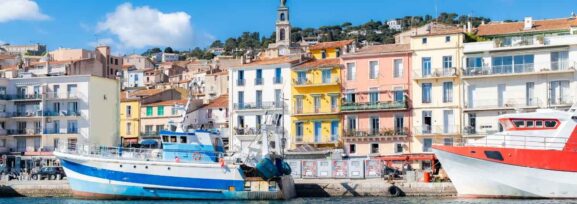

Saint-André-de-Sangonis: What to See and Do in This Village in the Hérault Valley?
Quick Summary: Why Visit Saint-André-de-Sangonis?
Located in the heart of the Hérault Valley, between Montpellier, Lake Salagou, and Saint-Guilhem-le-Désert, Saint-André-de-Sangonis is an excellent base for exploring the Hérault hinterland. This town, with a population of over 6,400, charms visitors with its strategic location and its heritage its wine-growing region, its historic center, and its proximity to several of Occitanie’s most beautiful tourist attractions. Although less well-known than some of its neighboring villages, it nevertheless offers quick access to the Hérault Gorges, the Devil’s Bridge, the Clamouse Cave, and even the Lake Salagou. For travelers who want to avoid the most crowded tourist areas while still staying close to the major attractions, this city offers an excellent compromise.Key Points to Remember
When visiting Saint-André-de-Sangonis, there are several attractions worth including in your itinerary:- The historic district and its narrow, old streets.
- L'church Saint-André and its bell tower, visible from several kilometers away.
- The monumental Griffe Fountain.
- Visit landscapes of vineyards and scrubland in the Hérault Valley.
- Day trips to Saint-Guilhem-le-Désert and the Devil's Bridge.
- Local markets showcasing regional products.
What to see in Saint-André-de-Sangonis?
Although the town is often used as a starting point for exploring the major sites of the Hérault Valley, Saint-André-de-Sangonis is also well worth a visit in its own right. Its heritage reflects the rural and wine-growing history of the Languedoc region, with a charming historic center perfect for exploring on foot, several remarkable buildings, and an authentic atmosphere untouched by mass tourism. Half a day is enough to discover the main points of interest in Saint-André-de-Sangonis, but visitors with a passion for heritage or photography can easily spend more time there.The historic center of the village
The historic center is the best starting point for exploring Saint-André-de-Sangonis. As in many towns in the Languedoc region, the town has developed around its medieval historic core. As you stroll through the village streets, you’ll quickly notice the stone facades, traditional winegrowers’ houses, and shaded little squares that bear witness to several centuries of local history. The best way to explore is on foot. The narrow alleys allow you to observe the’architecture traditional character of the town while enjoying a peaceful atmosphere. Several buildings still feature historic elements such as carved door frames, wrought-iron balconies, and vaulted passageways. The town center is also home to many local shops, cafés, and services that contribute to the town’s daily vibrancy.St. Andrew's Church
Among the monuments One of the landmarks of Saint-André-de-Sangonis is the Church of Saint-André, which overlooks the village center. The current building is the result of several construction and restoration projects carried out over the centuries. Its architecture blends different styles that reflect the town’s evolution and its importance in the Hérault Valley. Inside, visitors can admire various pieces of religious furnishings as well as stained-glass windows that cast a unique light throughout the space. Even for those with little interest in religious heritage, a visit offers a deeper understanding of local history. The church is located right next to the main shopping streets, making it easy to include in a tour of the historic center. Address: Place de l’Église 34725 Saint-André-de-SangonisThe typical squares and alleys of the historic center
One of the pleasures of visiting Saint-André-de-Sangonis is exploring its public spaces and everyday heritage. The main square regularly hosts local events, markets, and various activities that set the pace of life in the town. Depending on the time of year, visitors can find local producers offering wines, olive oils, fruits, and regional specialties. Among the town’s notable heritage sites is the Griffe Fountain, often considered one of the town’s symbols. This historic structure serves as a reminder of the importance of water management in a region with a Mediterranean climate. The narrow streets surrounding the square also offer many interesting vantage points for photography enthusiasts. The light of southern France particularly highlights the historic facades at the end of the day. To fully enjoy the local atmosphere, it’s best to visit the town center in the morning or early evening, when temperatures are more pleasant during the summer months.The Local Wine-Growing Heritage
It’s impossible to talk about Saint-André-de-Sangonis without mentioning the vineyards. For generations, viticulture has shaped the landscape, the economy, and the identity of the region. Vineyards play a significant role in the area surrounding the town. Visitors can take in these distinctive landscapes as soon as they arrive, with vineyards stretching all the way to the surrounding hills. The region produces several renowned Languedoc wines. The local wineries regularly offer:- tastings; ;
- winery tours; ;
- meetings with producers; ;
- discoveries in winemaking methods.
What is there to do in Saint-André-de-Sangonis?
Beyond its monuments and heritage, Saint-André-de-Sangonis offers a wide range of activities for visitors who want to explore the Hérault Valley at their own pace. Whether you enjoy hiking, fine dining, nature, or wine tourism, the town offers an authentic experience far from the major coastal tourist resorts. Thanks to its prime location, Saint-André-de-Sangonis is also an excellent base from which to explore the department’s main natural attractions while enjoying a friendly atmosphere.Stroll through the village streets
One of the most enjoyable activities is simply taking a stroll through the center of Saint-André-de-Sangonis. Unlike destinations that are very crowded during peak season, the town retains a peaceful atmosphere that invites you to explore. As they wander through the historic streets, visitors can admire the architectural details typical of the Languedoc region: winemakers’ houses, colorful facades, traditional shutters, and small, shaded squares. This stroll also offers a better understanding of the town’s historical evolution through its urban layout. The cafés and outdoor seating areas in the town center offer welcome breaks, especially on summer days. Sitting down for a few minutes in a lively square lets you soak up the local pace of life and observe the daily routines of the residents. For photography enthusiasts, the early morning and late afternoon are particularly ideal, thanks to the light that highlights the ancient stonework and the perspectives of the narrow streets.Explore the surrounding vineyards
Wine is an integral part of Saint-André-de-Sangonis’s identity. The landscapes surrounding the town are marked by hundreds of hectares of vineyards producing renowned Languedoc wines. A must-do activity is exploring the wine routes that wind through the Hérault Valley. Several wineries welcome visitors for tastings and guided tours. Visitors can discover, among other things:- Mediterranean grape varieties; ;
- winemaking methods; ;
- the local history of winemaking; ;
- Regional food and wine pairings.
Take advantage of local markets and events
A visit to Saint-André-de-Sangonis is also a chance to discover the flavors of the Occitan region. The weekly markets offer the opportunity to meet local producers in person and purchase regional specialties. Among the most sought-after products are:- the wines of the valley; ;
- olives and olive oil; ;
- honey from the garrigue; ;
- regional cheeses; ;
- seasonal fruits and vegetables.
Explore the garrigue landscapes
The area around Saint-André-de-Sangonis offers an ideal playground for nature lovers. The garrigue landscapes are one of the region’s most distinctive features. The garrigue is a Mediterranean ecosystem composed of holm oaks, thyme, rosemary, junipers, and numerous species adapted to the intense summer heat. In the spring, these natural areas are adorned with flowers and give off scents that are particularly appreciated by hikers. Several marked trails allow visitors to explore these landscapes on foot or by bike. Some itineraries offer magnificent panoramic views of the Hérault Valley and the surrounding hills. The most popular activities include:- hiking ;
- mountain biking ;
- trail running; ;
- landscape photography; ;
- birdwatching.
The Most Beautiful Places to Visit Around Saint-André-de-Sangonis
One of the great advantages of staying in Saint-André-de-Sangonis is its proximity to several iconic sites in the Hérault department. In less than thirty minutes by car, visitors can reach some of Occitanie’s most spectacular landscapes, featuring a blend of medieval heritage, rivers, caves, limestone cliffs, and unique geological formations. For a multi-day stay, the town is an ideal base for combining cultural exploration, outdoor activities, and local cuisine.Saint-Guilhem-le-Désert
Located just about ten kilometers from Saint-André-de-Sangonis, Saint-Guilhem-le-Désert is one of the most visited villages in the department. Listed among the Most Beautiful Villages in France As a major stop along the Camino de Santiago, this site attracts several hundred thousand visitors each year. Among the must-see attractions:- Gellone Abbey; ;
- Liberty Square; ;
- the medieval alleyways; ;
- the old stone houses; ;
- the surrounding hiking trails.
The Hérault Gorges
The Hérault Gorges are one of the most remarkable natural areas in the department. Carved out over millennia by the Hérault River, they offer stunning landscapes featuring limestone cliffs, turquoise waters, and Mediterranean vegetation. From Saint-André-de-Sangonis, several access points provide quick access to swimming areas and hiking trails. The most popular activities include:- swimming; ;
- canoeing and kayaking; ;
- hiking ;
- the paddle ;
- nature photography.
The Clamouse Cave
Just a few minutes from Saint-André-de-Sangonis, the Clamouse Cave is one of the most beautiful natural caves in France. Discovered in the 19th century and later developed for visitors, it is renowned for its exceptional cave formations. Visitors can admire the following there:
- stalactites; ;
- stalagmites; ;
- limestone draperies; ;
- rare crystallizations; ;
- spectacular underground tunnels.
Lake Salagou
Lake Salagou is one of the most famous landscapes in the Hérault department. Created in the 1960s, this vast body of water is best known for the red hues of the surrounding land, known as «ruffes.».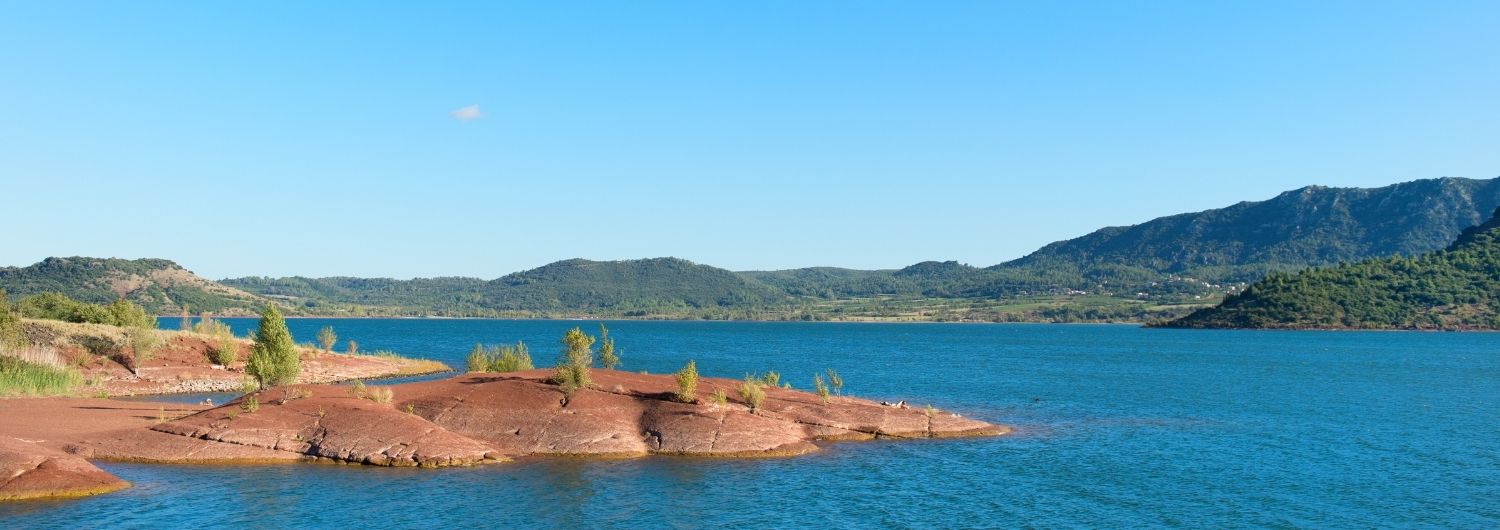 From Saint-André-de-Sangonis, the trip takes about twenty-five minutes.
Visitors particularly enjoy:
From Saint-André-de-Sangonis, the trip takes about twenty-five minutes.
Visitors particularly enjoy:
- visit beaches developed; ;
- water sports; ;
- hiking trails ;
- mountain bike trails; ;
- photographic panoramas.
The Mourèze Cirque
Less well-known than Lake Salagou but just as spectacular, the Mourèze Cirque offers a striking rocky landscape made up of hundreds of rock formations sculpted by erosion. This natural site is often compared to a veritable stone labyrinth. The marked trails allow visitors to explore:- the Dolomite chaos; ;
- panoramic viewpoints; ;
- Mediterranean flora; ;
- the distinctive landforms of the Terres d’Hérault Geopark.
The Devil's Bridge
The Devil’s Bridge is one of the most iconic historic landmarks in the Hérault Valley. Built in the 11th century, it is considered one of the oldest medieval bridges in France still in use. Located just outside Saint-Guilhem-le-Désert, it is less than fifteen minutes from Saint-André-de-Sangonis. Today, the site is appreciated for:- its historical significance; ;
- its remarkable architecture; ;
- the nearby developed beaches; ;
- water sports; ;
- the panoramic views of the gorges.
Summary Table of Must-See Attractions
| Website | Distance from Saint-André-de-Sangonis | Recommended time |
|---|---|---|
| Saint-Guilhem-le-Désert | 11 km | Half a day |
| Hérault Gorges | 10 km | 1 day |
| Clamouse Cave | 12 km | 2 hours |
| Devil's Bridge | 11 km | 2 to 3 hours |
| Salagou lake | 22 km | 1 day |
| Mourèze Cirque | 28 km | Half a day |
A 1-Day Tour of Saint-André-de-Sangonis
Do you only have one day to explore Saint-André-de-Sangonis and its surroundings? Good news: thanks to the short distances between the main tourist attractions, it’s entirely possible to plan a full itinerary that combines cultural heritage, fine dining, nature, and exploring the Hérault Valley.
This itinerary was designed to allow visitors to fully enjoy Saint-André-de-Sangonis while discovering some of the iconic sites located in the immediate vicinity of the town.
Program for a Morning Discovery Event
A visit to Saint-André-de-Sangonis can begin as early as 9 a.m. with a stroll through the historic center. At this time of day, the temperatures are pleasant and the streets are still quiet.
Start by strolling through the historic alleyways around Saint-André Church. Take the time to admire the traditional houses, the stone facades, and the architectural details that bear witness to the town’s winemaking heritage.
Next, continue on to the village's central squares, where you'll find a number of shops and cafés.
For a morning break, several establishments welcome visitors in the center of Saint-André-de-Sangonis.
Among our most popular addresses:
- artisan bakeries in the city center; ;
- cafés around Place Jean-Jaurès; ;
- shaded terraces during the summer.
After exploring the town, we recommend visiting the scenic overlooks on the outskirts of the town to admire the landscapes of vineyards and scrubland that characterize the region.
Where should we have lunch?
After touring the center, there are several options for exploring the local cuisine around Saint-André-de-Sangonis.
Restaurants in the Hérault Valley typically feature:
- Mediterranean products; ;
- wines from the Languedoc; ;
- olive oil-based specialties; ;
- seasonal produce from local farmers.
For a typical regional lunch, many visitors choose to head to Saint-Guilhem-le-Désert, where several restaurants offer pleasant outdoor seating in an exceptional medieval setting.
Village address:
Place de la Liberté 34150 Saint-Guilhem-le-Désert
Spring and fall are particularly popular times for dining outdoors while enjoying mild temperatures.
Afternoon Activities
The afternoon is the perfect time to explore the major tourist attractions around Saint-André-de-Sangonis.
Visitors have two main options.
Option 1: the Devil's Bridge and the Hérault Gorges
About 15 minutes from Saint-André-de-Sangonis, the Pont du Diable offers a chance to combine historical heritage with outdoor activities.
Visitors can:
- explore the medieval bridge; ;
- enjoy the developed beaches; ;
- swimming in the Hérault; ;
- rent a canoe; ;
- follow the hiking trails.
This option is particularly well-suited for families and water sports enthusiasts.
Option 2: Lake Salagou
For those who prefer wide-open spaces, Lake Salagou is an excellent alternative.
Possible activities include:
- hiking ;
- mountain biking ;
- swimming; ;
- PADDLE; ;
- landscape photography.
The famous red soils of Salagou provide a spectacular backdrop that stands in stark contrast to the vineyard landscapes seen that morning in Saint-André-de-Sangonis.
What should I do tonight?
After a day of exploring, there are several ways to extend the experience.
Back in Saint-André-de-Sangonis, a stroll through the town center at the end of the day lets you enjoy the village’s more peaceful atmosphere as the temperature drops.
Wine tourism enthusiasts can also enjoy a tasting at a winery in the Hérault Valley. Some producers organize themed evenings during the tourist season.
For visitors staying several days in Saint-André-de-Sangonis, the evening can be a good time to plan the next day’s excursions to:
- the Clamouse Cave; ;
- the Mourèze Cirque; ;
- Lake Salagou; ;
- the wine-growing villages of the valley; ;
- the hiking trails through the garrigue.
Summary of the Day
| Schedule | Activity |
|---|---|
| 9:00 a.m. | Discover the historic center |
| 10:30 a.m. | Tour of the church and the village squares |
| 12h30 | Lunch in the Hérault Valley |
| 14h00 | Excursion to the Devil's Bridge or Lake Salagou |
| 17h30 | Back to Saint-André-de-Sangonis |
| 19h00 | Walk and Dinner |
| Evening | Tasting or exploring the local heritage |