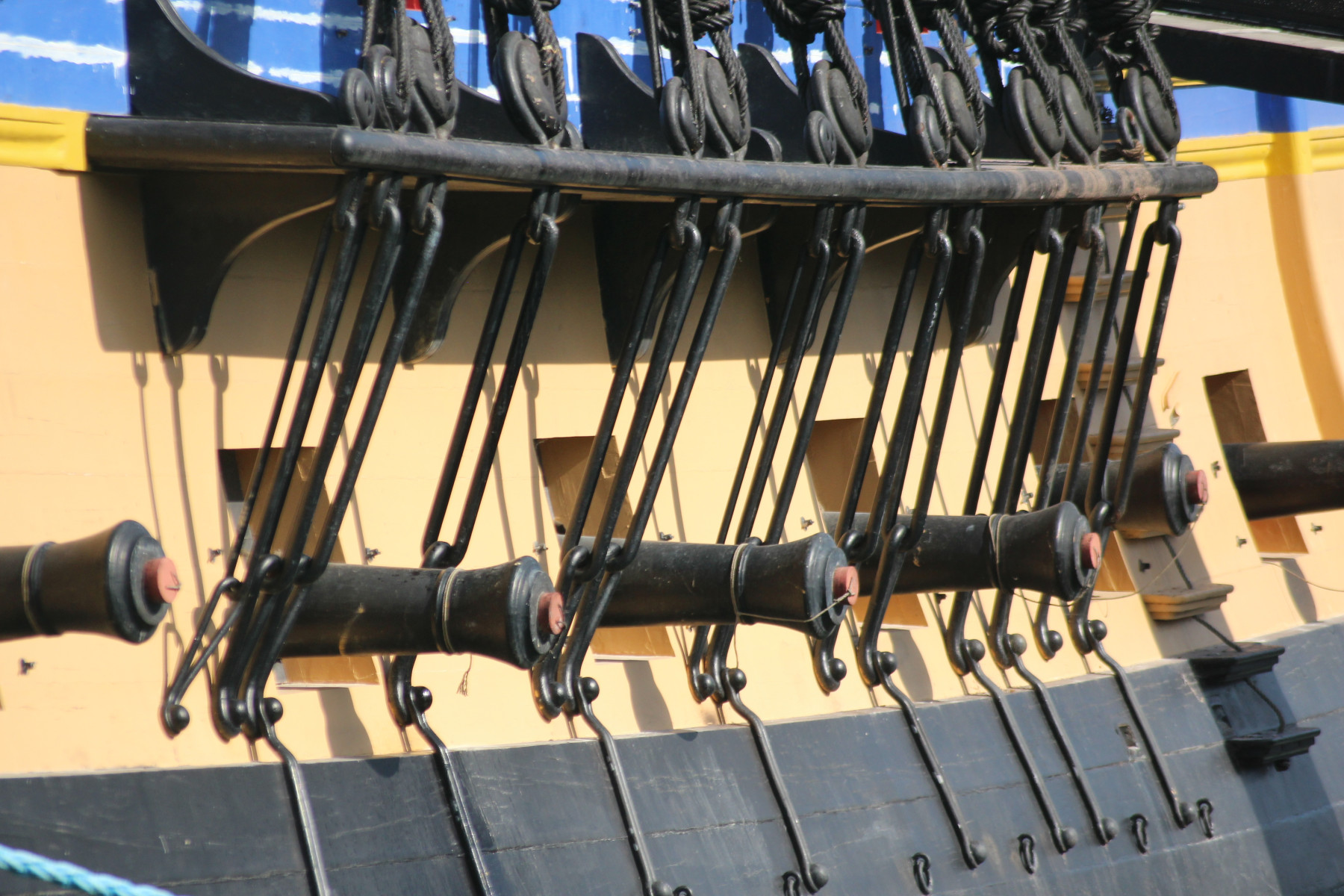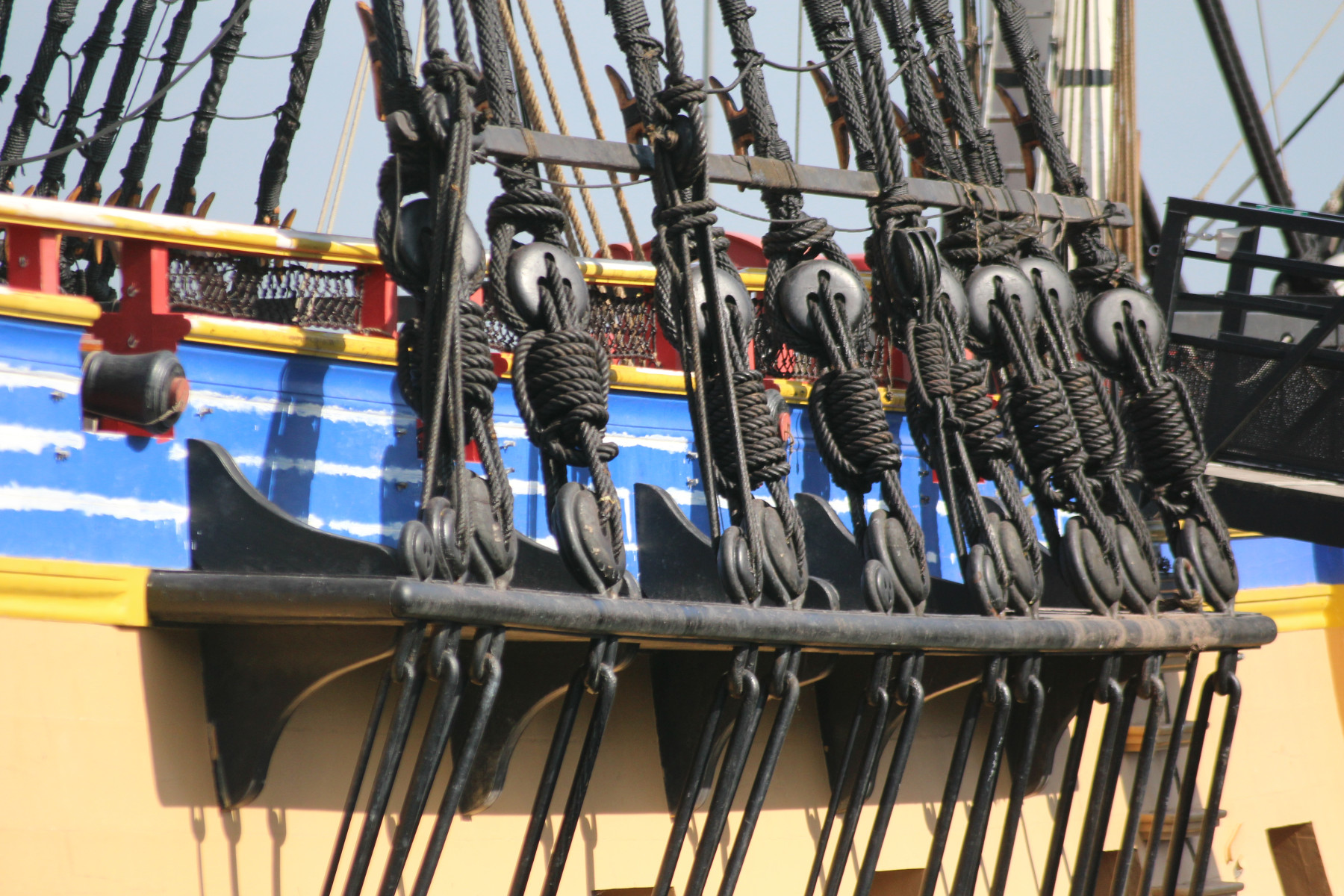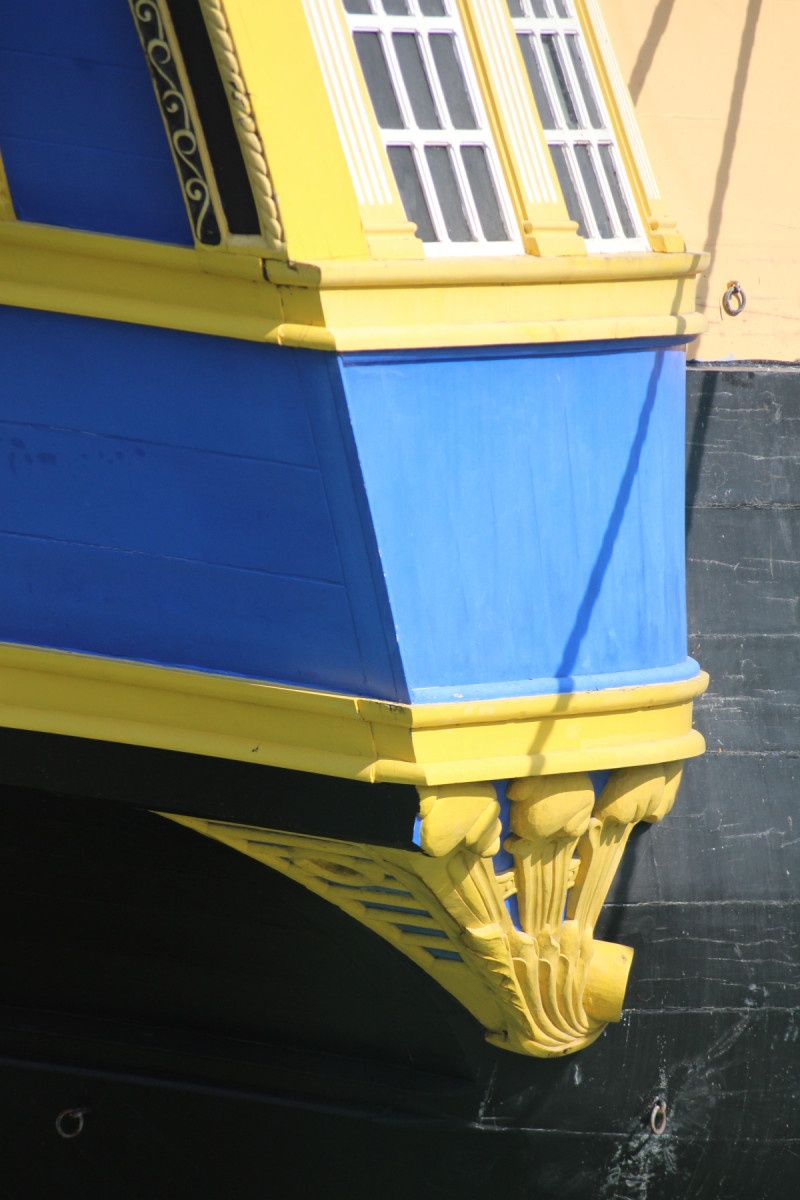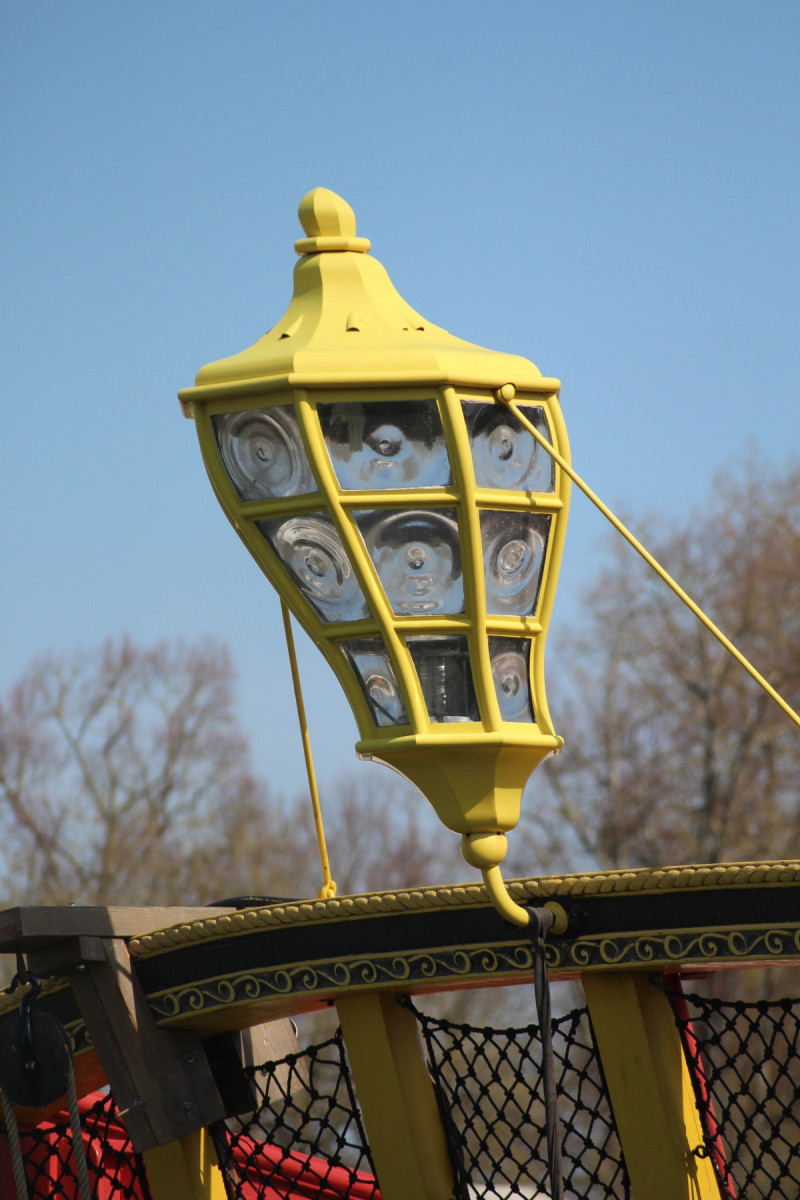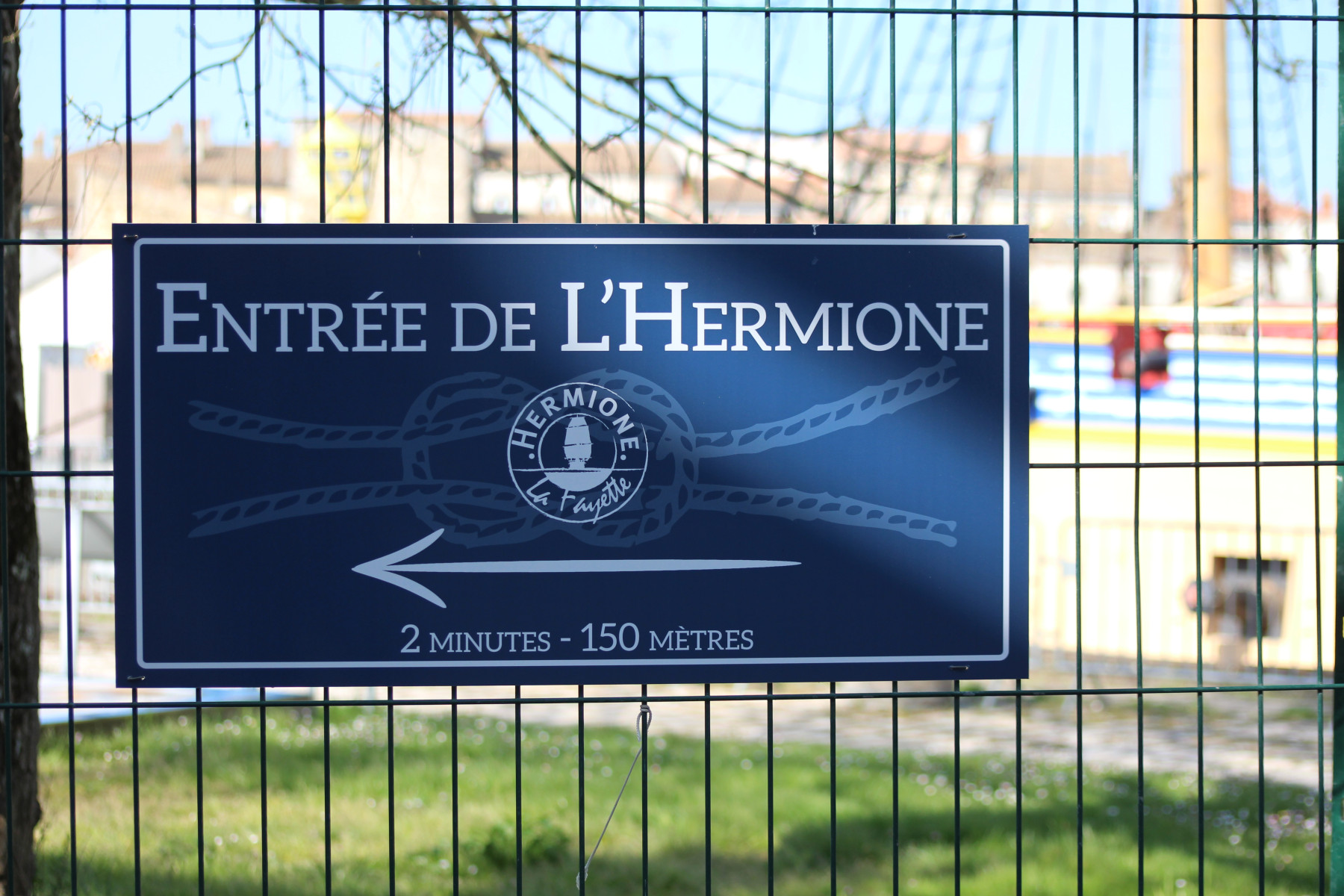

This document invites you to discover the fascinating history of the’Hermione, this legendary frigate, and the challenges it is set to face in 2023. How this wooden ship, carefully crafted in Rochefortin Charente maritime, has it managed to stand the test of time? What role does it play today in the fields of education and culture?
Join us in exploring the upcoming expeditions and logistical challenges of the’Hermione in a rapidly changing global context. Come aboard the’Hermionethe frigate of freedom!
A maritime heritage in the face of time and modernization
Conservation and Restoration of the Hermione
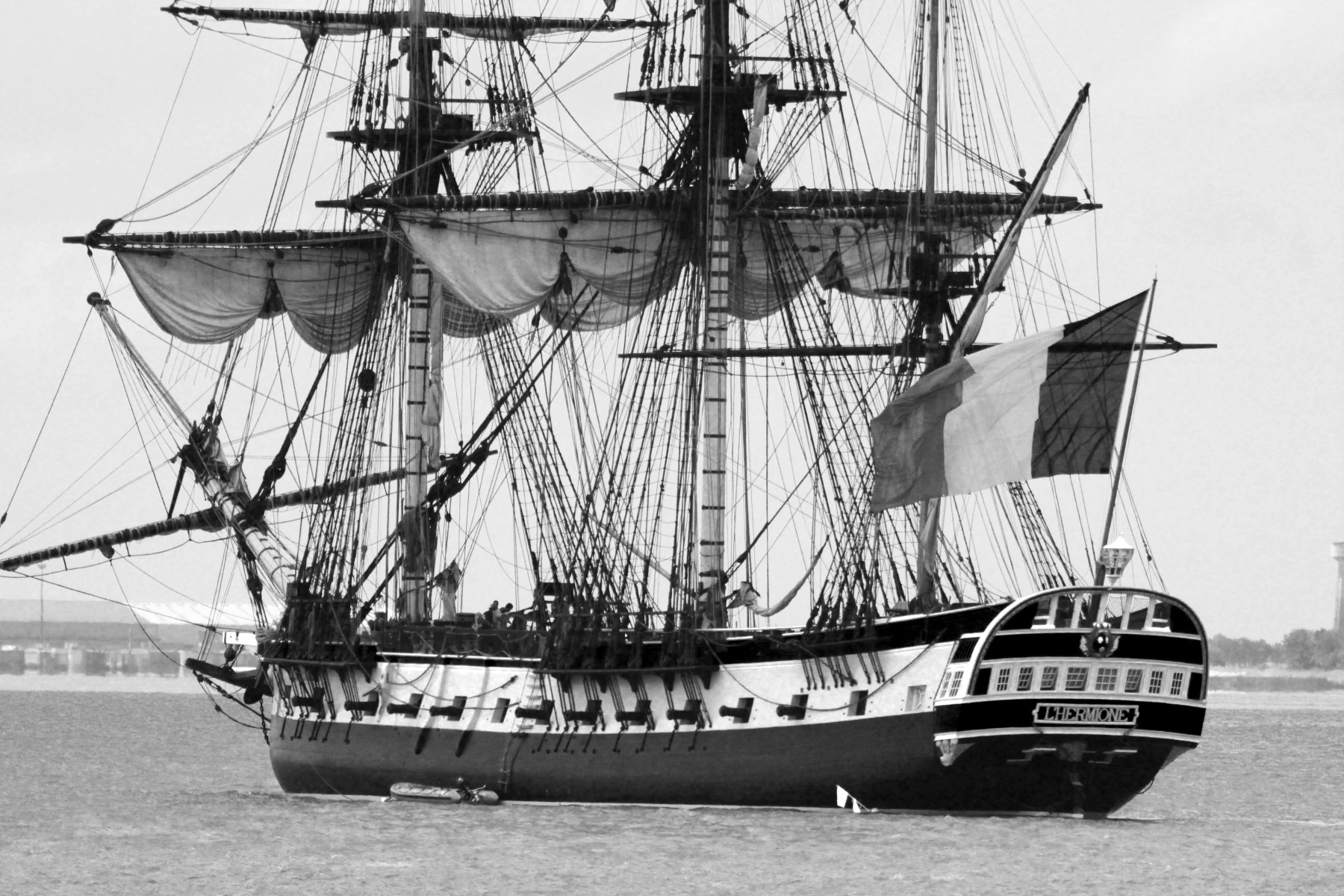
L'Hermione is a jewel of our maritime heritage that requires constant vigilance to ensure its preservation. Launched in 2014, this frigate has already sailed more than 30,000 nautical miles, making its presence felt at numerous nautical events.
However, in 2021, inspections revealed a fungal infestation that had compromised the wooden structure of the Hermione.
To protect the Hermione, the Hermione-La Fayette Association has launched a major restoration program in Anglet, within the Port of Bayonne. The budget, set at 10 million euros, aims to replace 40 cubic meters of damaged wood, which accounts for 7 % of the frigate’s total volume. To achieve this, the association is relying on both specialized companies, such as Asselin, and the dedication of volunteers.
The goal is to get the Hermione back on the water in 2024, so that she can once again promote French culture and history around the world.

Adapting to new environmental standards
The Hermione, with its authentic 18th-century construction, must also comply with the contemporary environmental standards which govern maritime navigation.
It is therefore committed to reducing its greenhouse gas emissions, reducing its impact on marine biodiversity and managing its waste in an environmentally-friendly way.
To that end, the Hermione-La Fayette Association has developed a series of measures, including the implementation of eco-friendly paints, the use of the’renewable energy and raising awareness among the crew and visitors about environmental challenges. In this way, the Hermione aims to be a model of balance between preserving our heritage and protecting our planet.
The Hermione’s Educational and Cultural Mission in 2023
Promoting maritime and historical heritage
L'Hermione is not just a ship; it is also a powerful transmission symbol from France's maritime and historical heritage. This frigate symbolizes a significant chapter in Franco-American history: the American Revolution and the involvement of the Marquis de La Fayette.
It also highlights the ancestral know-how shipbuilders and shipwrights, who succeeded in rebuilding this vessel exactly as it was marvel of the 18th century.
To promote and highlight this rich heritage, the association Hermione-La Fayette offers a variety of initiatives, including guided tours, exhibitions, lectures, events and shows. From free educational resources are also available for teachers and students, covering topics such as navigation, maritime folklore, and the Age of Enlightenment. The Hermione thus reveals itself to be a dynamic teaching toolto arouse the curiosity and interest of young people.
Involvement in educational and scientific projects
L'Hermione also stands out for its commitment to educational and scientific projects, aimed at raising awareness of the challenges facing the world today. In 2018, it participated in the “Normandie Liberté” initiative, marking the 75th anniversary of the Normandy landings, and hosted young people from various countries to discuss peace and freedom.
In 2023, the Hermione sets sail on a new adventure the project Hermione 2023, which involves a circumnavigation following in the footsteps of famous explorers such as Bougainville and La Pérouse. This journey will be an opportunity to develop educational and cultural initiatives with the countries visited and to engage in research programs on marine biodiversity, climate changeor plastic pollution. The Hermione thus sails in the service of knowledge and international cooperation.

New adventures and logistical challenges in a changing world
Planning Trips and Events During the Pandemic
L'Hermionea ship passionate about discovering new cultures, has seen its plans disrupted by the Covid-19 pandemic since 2020. Health restrictions and precautionary measures have reduced travel and gathering possibilities, forcing the ship to reinvent its programming.
For example, his shipping in Northern Europe, originally scheduled for 2022, has been postponed to 2023 in response to the uncertainties surrounding the health crisis. This voyage, named «Hermione – Explore France,» will help showcase France’s cultural heritage and forge stronger ties with our neighboring countries. The’Hermione will be stopping at a number of renowned ports, including London, Amsterdam, Copenhagen, Stockholm and St Petersburg.
Meanwhile, the Hermione continues to organize cultural and festive events, while strictly adhering to health protocols. In particular, it made its presence felt at the European Heritage Days in September 2021, offering tours and activities on board. A concert by Celtic rock band Soldat Louis also drew over 2,000 spectators at quai de Bayonne.
Technology at the service of traditional navigation
The Hermione honors 18th-century maritime tradition and expertise while embracing the benefits of the modern world and technology. She is a perfect example of the fusion between old-world charm and modern comfort.
Thanks to its satellite geolocation system, the Hermione can navigate with precision and share its location in real time. Its high-speed internet connection allows it to maintain lively communication with its audience and the media, regularly sharing videos, photos, articles, and podcasts about its adventures.
Active on social networks such as Facebook, Twitter, Instagramand YouTube, Hermione has a large following. She also uses technology to advance education, offering online training open to everyone. These courses cover the fundamentals of traditional navigation and include more specialized modules such as meteorology, astronomy, and safety at sea.

Conclusion
The Hermione represents a landmark chapter in maritime history French and American. She embodies an exceptional heritage, the result of the genius and passion of the artisans who built her and who carry on her legacy. The Hermione symbolizes much more than just a ship; she is at the heart of a human, cultural, and scientific adventure that continues to unfold through the project Hermione 2023an ambitious circumnavigation of the globe.
If the history of the Hermione If this captivates you, there are several ways you can support this wonderful initiative. You can join the association Hermione-La Fayettededicated to preserving and promoting the ship.
Voluntary donations are also welcome; they are crucial for funding the ship’s restoration and its global voyage. Visiting the Hermione during her port calls or when she is docked allows you to immerse yourself in her world, her voyages, and her history.
In addition, enjoy the unique experience of boarding the Hermione as a volunteer gabier offers you the opportunity to actively participate in steering the ship, guided by a professional crew.
Consult the Hermione-La Fayette Association website to find all the useful information, news, educational resources, and contact details for reaching us. Don't miss the opportunity to be part of the adventure Hermionethe frigate of freedom!
Practical information
- Address:Hermione - Place Amiral Dupont, 17300 Rochefort
- Opening hours:
- September 2 to October 20, 2024: open Tuesday to Sunday, 10am to 12:30pm and 2pm to 6pm (last admission 5:30pm)
- The rest of the year: Open Wednesday through Sunday, from 2:00 p.m. to 6:00 p.m. (last admission at 5:30 p.m.)
- Closing: December 25 and January 1
- Price list:
- Open house:
- Adults: €12
- Young people (6-16 years): €5
- «Discovery & History» Guided Tour:
- Adults: €18
- Young people (6-16 years): €9
- «Grand Carénage» Guided Tour:
- Adults: €18
- Young people (6-16 years): €9
- Open house:
- Reservations: We recommend booking your visit online, especially during peak season. You can do so on the Hermione's website: https://fregate-hermione.com/
- Access:
- By car: Rochefort is about a 2-hour drive from Bordeaux and Nantes.
- By train: Rochefort station is served by TER trains from Bordeaux, Nantes, Saintes and La Rochelle.
- By bus: Bus routes link Rochefort to many towns in the region.
Visit
A tour of the Hermione takes about 1 hour and 30 minutes. You’ll explore the ship’s various decks, the officers’ and crew’s quarters, the hold, and the shipyard. Permanent and temporary exhibits trace the history of the Hermione and the French Navy in the 18th century.
Advice
- Wear comfortable shoes, as you'll be doing a lot of walking.
- Be sure to bring sunscreen and a hat if you're visiting the Hermione in the summer.
- Don't forget your camera so you can capture your visit!
Website
For more information, please visit the Hermione website: https://fregate-hermione.com/es/
FAQ
Where is the ship Hermione right now?
Currently, the boat the Hermione is in Grand Carénage in the port of Bayonne in Anglet. The operation includes a major restoration of the hull, damaged by fungus.
Visits to the boat and repair shops are available on request. open to the public.
When is the Hermione returning to Rochefort?
L'Hermione returns to Rochefort the June 24, 2021 after a stay in dry dock at La Rochelle. The ship will be open to visitors from June 26, 2021 at the Arsenal des Mers.
Why is the Hermione in Bayonne?
The presence of the’Hermione in Bayonne is due to a crucial repair of its shell, damaged by fungus. The choice of port of Bayonne This is due to its dry-dock facilities, which are tailored to the vessel's specific characteristics.
Which ship replaced the Hermione in Rochefort?
The ship replacing the Hermione in Rochefort is the Noé, a replica of a ship from the XVIIth century involved in the exploration of New France. He joined Rochefort on January 22, 2023 to begin restoration work on two years.
Hermione Bateau - Discover the famous replica of the frigate at Rochefort in Charente Maritime
Key takeaway: Hermione, a boat in Rochefort
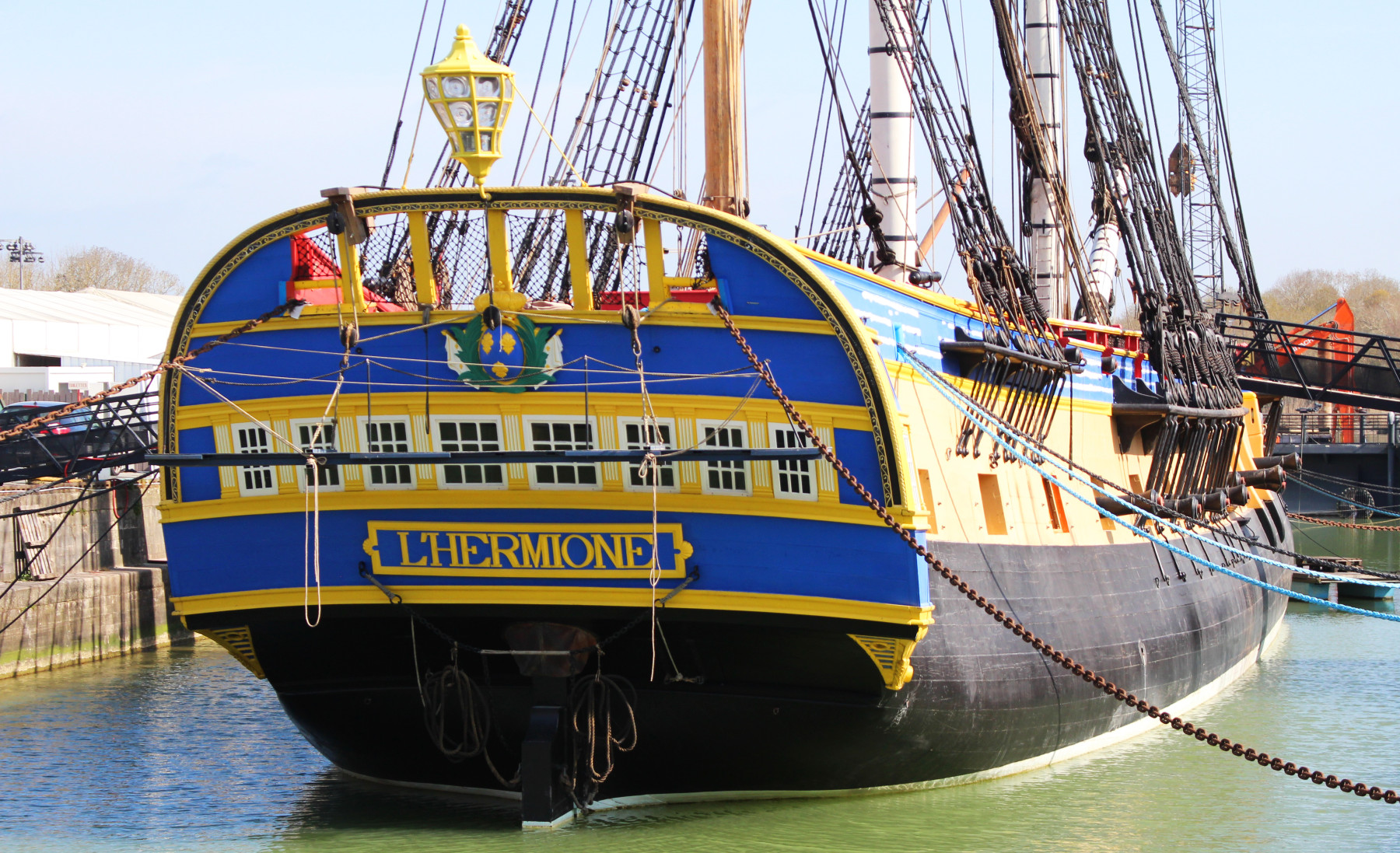
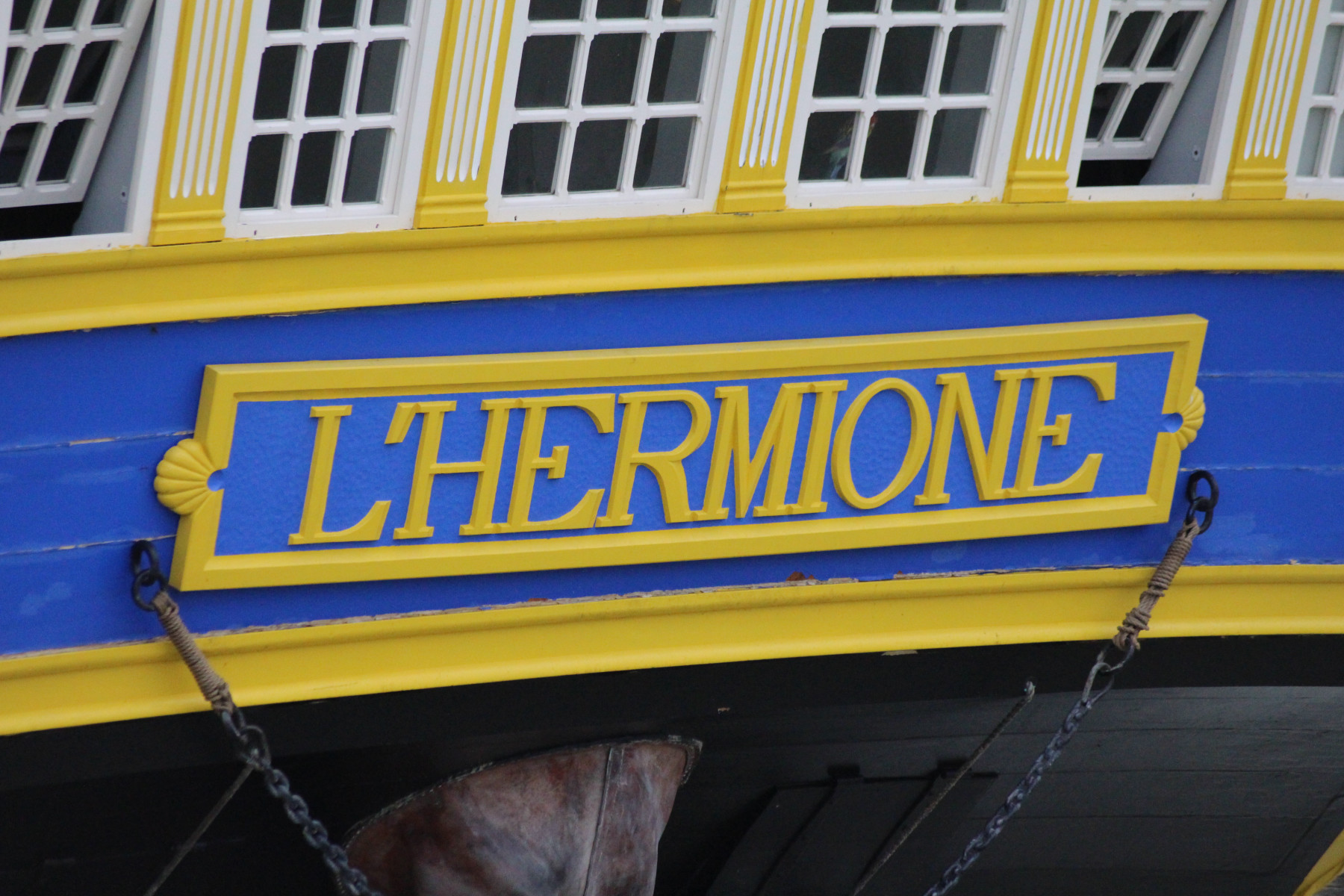
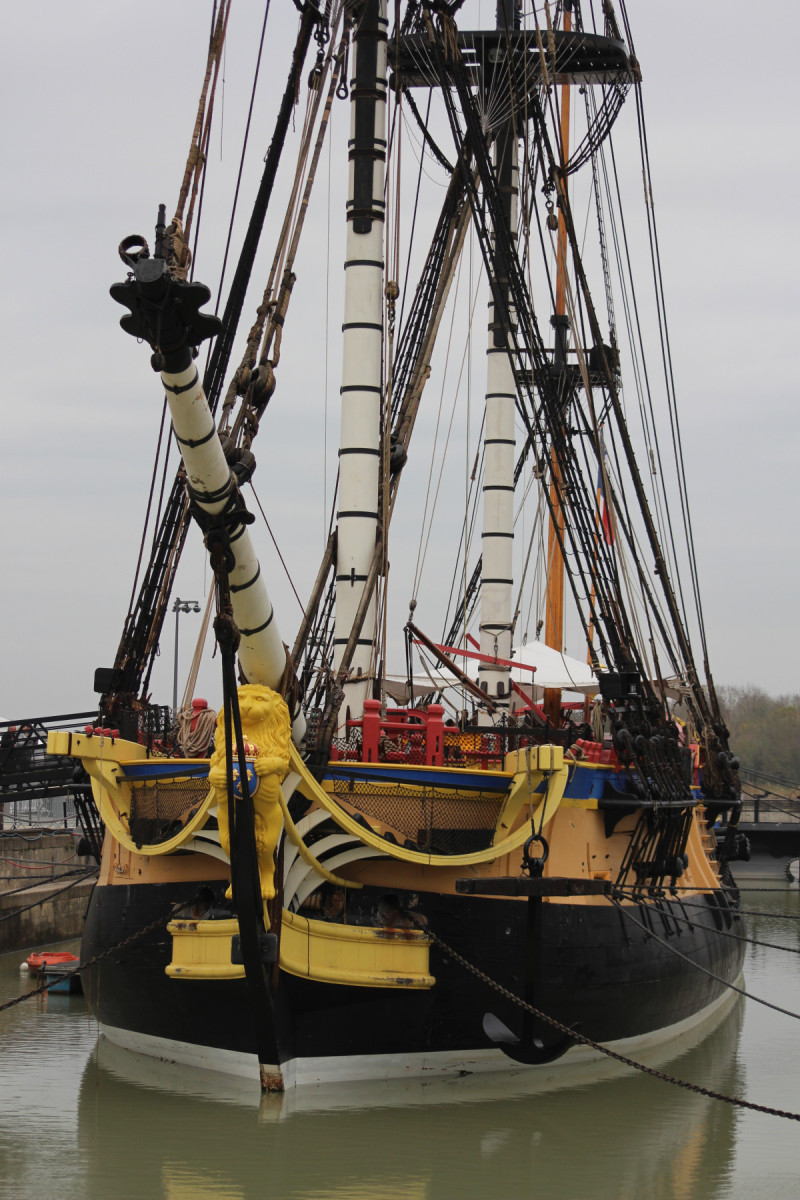
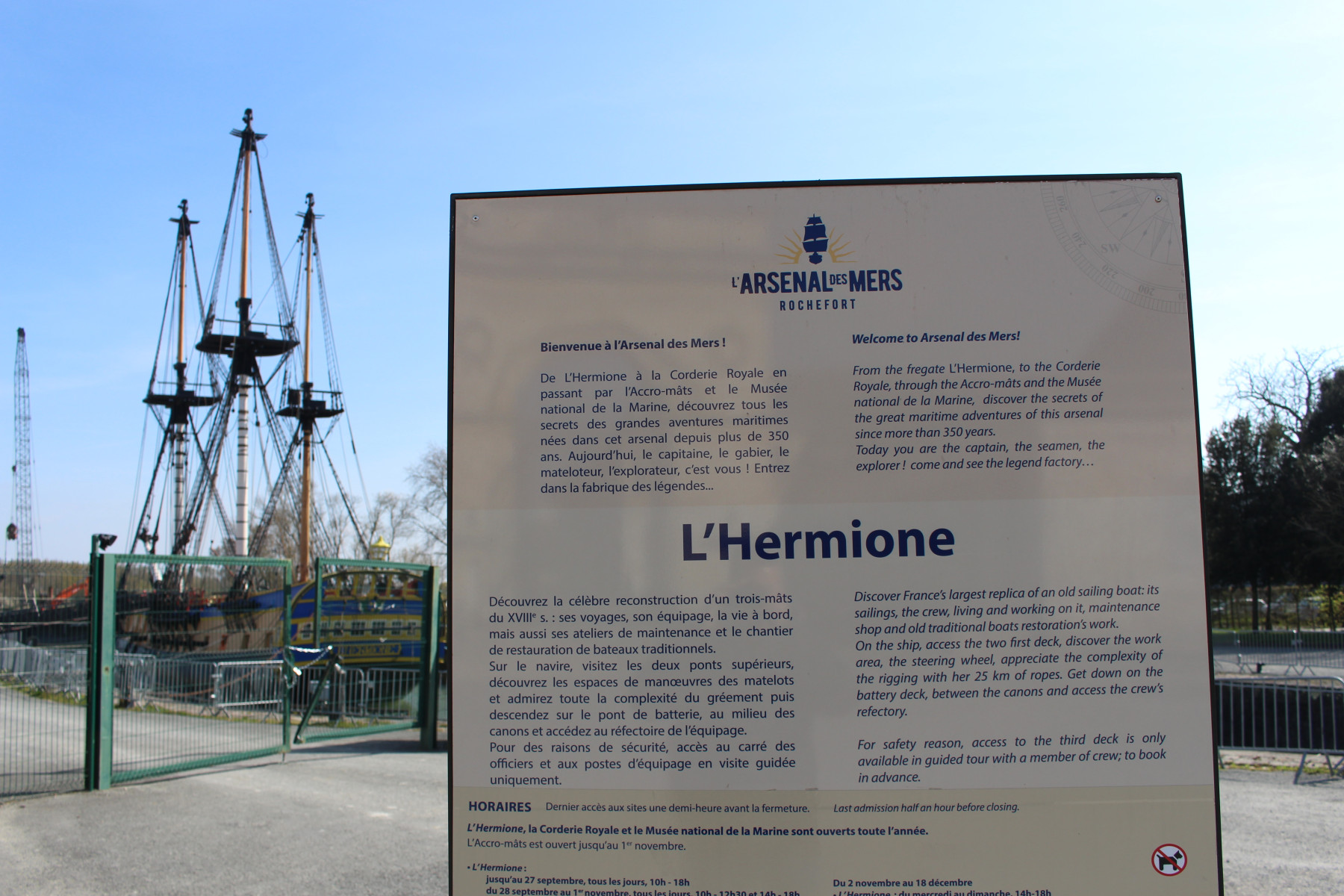
’T"is a ship, a faithful replica of a French warship of the same name, a three-masted frigate built at the Rochefort shipyard. ‘Hermione‘ is the name given to both the original frigate and its replica. It is the result of a project that began in 1997 and was completed in 2014, with the goal of building an exact replica of the original frigate. Visitors can tour the Hermione, which is located near the Corderie Royale in Rochefort.
The ship is made up of over 400,000 pieces of wood, and sails with over 2,000 m² of sails.
Hermione , history of the boat and its replica
The Hermione (the original) was a scout ship, which was lighter and more maneuverable than a warship, and was built in Rochefort in the late 18th century. The ship left Rochefort in 1780 to take part in the American War of Independence, with the Marquis de La Fayette on board and under the command of the Count de Tréville, known as Latouche-
He arrived in Boston and the Marquis de La Fayette disembarked to announce the arrival of reinforcements for Washington. He distinguished himself in numerous battles—the Battle of Cape Henry, the Battle of Louisbourg, and the Battle of Yorktown—which eIt will become a symbol of American friendship, to be known as the «Freedom Frigate.».
Hermione and the Battles
Battles also include Trafalgaraccording to the account in Les Gloires maritimes de la France : »The army sets out: the campaign that will culminate at Trafalgar begins. (…) Aboard this frigate—the Hermione—he takes part—in the role reserved for frigates in my pitched battles, – in the battle of July 20, 1805, against Admiral Calder’s English squadron, and in the far bloodier and more decisive battle of Trafalgar on October 21 of the same year. Large-scale warfare was now off-limits to us: until August 19, 1808, Chateauville undertook various cruises aboard the Hermione along the coasts of Africa and in the Caribbean Sea. No incident worthy of mention seems to have marked these arduous campaigns.»
Near the Hermione—the ship—is the Royal Rope Factory, a must-see. Further on, you can cross the Charente on the Martrou transporter bridge.
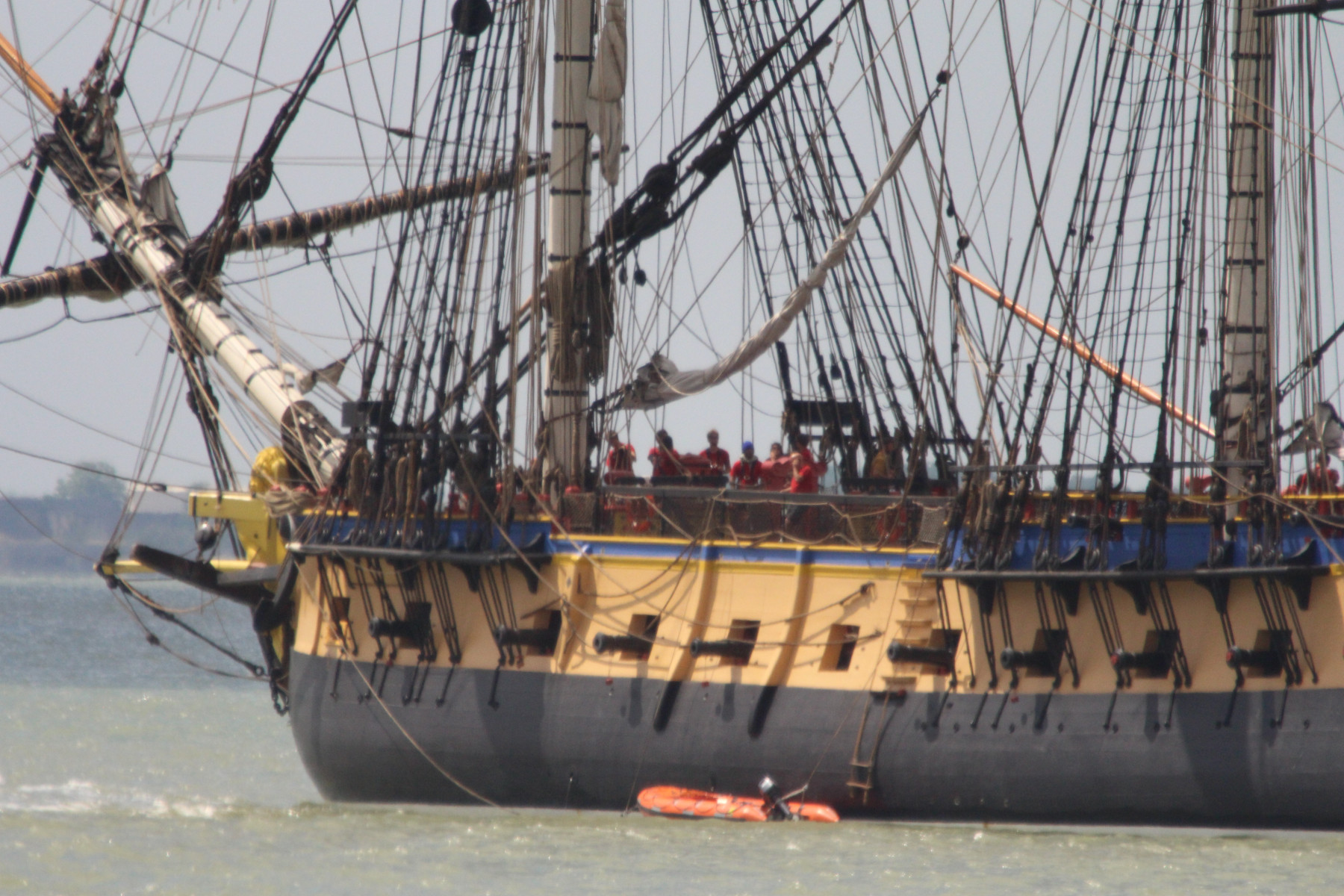
Photos of the frigate L’Hermione in Rochefort
According to *Marine* magazine, the history of the first frigate *Hermione* began in 1778:
«She was one of a series of four light, fast, and maneuverable frigates: the Concorde, the Fée, and the Courageuse. 65 meters in overall length, 11.46 meters at its widest point, a mast height of 56.50 meters, a draft of nearly 5 meters, 1,500 square meters of sail area, and 26 cannons firing 12-pound cannonballs.»
As for the replica, its story began in 1994, and it was not without its challenges:
" »The project was officially launched in 1994 with the goal of revitalizing the shipyard, which had been closed in 1927. The symbolic laying of the first piece of lumber took place on July 4, 1997, the anniversary of American Independence."
The challenge was to stay as true as possible to the original while complying with modern building codes.
How can we stay as true as possible to the original work—a puzzle consisting of 400,000 wooden and metal pieces—while complying with current regulatory requirements such as fire detection, drainage, and navigation electronics? The construction involved more than 100 companies representing 25 different trades, ranging from sailmakers, carpenters, and engine builders to blacksmiths and electricians.»
Hermione historical boat - To go further...
Who is the Marquis de La Fayette?
The Marquis de La Fayette: A Visionary of Liberty
The Marquis de La Fayette, whose full name was Marie-Joseph Paul Yves Roch Gilbert du Motier, was an iconic figure who left an indelible mark on history. Born on September 6, 1757, at the Château de Chavaniac in Haute-Loire, France, La Fayette is known for his unwavering commitment to freedom, democracy, and human rights. In this article, we will delve into the life and political legacy of the Marquis de La Fayette, highlighting his remarkable achievements and lasting influence.
Youth and Training
La Fayette was born into an aristocratic family and received a classical and military education. From a very young age, he showed an interest in the ideals of liberty and equality, influenced by the Enlightenment ideas that were sweeping through 18th-century Europe. At the age of 16, he joined the French army, where he developed his military skills and his passion for social justice.
Commitment in America
In 1777, La Fayette decided to join the American cause for independence. Inspired by republican ideals and the struggle for freedom, he crossed the Atlantic to offer his services to General George Washington. Quickly promoted to the rank of major general, La Fayette played a crucial role in several decisive battles of the American Revolutionary War, thereby contributing to the colonists’ victory over British forces.
Return to France and the French Revolution
Upon his return to France in 1781, La Fayette was welcomed as a hero and quickly became a leading figure in the reform movement. He was elected deputy of the nobility to the Estates-General of 1789 and played a key role in drafting the Declaration of the Rights of Man and of the Citizen. As commander of the National Guard, he attempted to reconcile republican ideals with constitutional monarchy, but his efforts were hampered by growing political tensions in France.
Captivity and Exile
After the fall of the monarchy in 1792, La Fayette found himself at odds with the radical factions of the Revolution. Fearing for his life, he attempted to flee to Belgium but was captured by the Austrians and imprisoned for five years. Released in 1797, he lived in exile in Europe until he was allowed to return to France in 1800.
Heritage and Influence
La Fayette left a lasting legacy as a champion of republican ideals and human rights. His commitment to freedom and democracy inspired generations of reformers and activists around the world. His name is associated with universal values such as liberty, equality, and fraternity, and his political influence continues to resonate in the modern world.
The Marquis de La Fayette was a visionary of freedom and a tireless defender of human rights. His courage, determination, and commitment to justice have left an indelible mark on history, reminding everyone of the importance of striving for a better world. His political and moral legacy continues to inspire future generations, and his name will forever be etched in the annals of history.
Hermione bateau - The battles in which the frigate took part
The battle of Cape Henri
The Battle of Cape Henri, also known as the Battle of Fort Duquesne, was a crucial engagement of the Seven Years' War in North America, which took place on September 14, 1758, near what is now Pittsburgh, Pennsylvania. Pitting British forces commanded by General John Forbes against French and Native American troops, this battle resulted in a decisive British victory, enabling them to capture Fort Duquesne and consolidate their control over the region, thereby paving the way for British colonial expansion into western Pennsylvania and beyond.
The Battle of Louisbourg
The Battle of Louisbourg, a major event in the Seven Years' War, took place from June 8 to July 26, 1758, on Cape Breton Island, in Nova Scotia, Canada. Pitting British forces, led by Major General Jeffrey Amherst, against French troops commanded by the Chevalier de Drucour, the battle marked a turning point in the conflict in North America. Thanks to a well-orchestrated siege and a powerful naval fleet, the British succeeded in capturing the impregnable fortress of Louisbourg, thereby consolidating their hold on the continent and paving the way for further victories in the region.
The Battle of Yorktown
The Battle of Yorktown, a decisive turning point in the American Revolutionary War, took place from September 28 to October 19, 1781, near Yorktown, Virginia. This battle pitted American forces, commanded by General George Washington, and Franco-American forces, led by French General Jean-Baptiste Donatien de Vimeur, Count of Rochambeau, against British troops under the command of General Lord Charles Cornwallis. Thanks to an effective siege and strategic coordination between ground troops and the French fleet, the allied forces succeeded in surrounding and capturing the British, forcing Cornwallis to surrender. This decisive victory led to Great Britain’s recognition of American independence and marked the end of the American Revolutionary War, paving the way for the creation of the United States of America.
The Battle of Trafalgar
The Battle of Trafalgar, a memorable naval engagement during the Spanish War of Independence, took place on October 21, 1805, off the coast of Trafalgar, Spain. Pitting the combined French and Spanish fleets against British forces under the command of Admiral Horatio Nelson, this battle was a decisive moment in the Napoleonic Wars. Thanks to bold strategic maneuvers and tactical superiority, the British fleet won a crushing victory, destroying a large part of the enemy fleet and ending the French naval threat in the Atlantic. Unfortunately, this brilliant victory was marred by the death of Admiral Nelson, who fell in battle while leading his men to victory. The Battle of Trafalgar remains a remarkable example of courage, sacrifice, and naval bravery, and its impact endures in global maritime history.