

Lignol: an authentic Breton village waiting to be discovered
Article Summary
Located in the heart of the Morbihan, in the Pays Pourlet region, Lignol is a destination that remains largely untouched by mass tourism. This rural town in Brittany appeals to travelers seeking authenticity, heritage and nature. Between the Château du Coscro, the ancient chapels, the landscapes With its Scorff Valley setting and vibrant Breton traditions, the town offers a different experience from the major coastal tourist destinations. Its central location also makes it easy to explore nearby towns such as Guémené-sur-Scorff, Le Faouët, Pontivy, and Lorient.
Where is Lignol located in Morbihan?
Lignol is located in the northwestern part of the Morbihan department, in the Brittany region. The town belongs to the Pays du Roi Morvan intermunicipal community and is part of the historic region of Pays Pourlet, an area renowned for its rich Breton cultural heritage. The village is situated in a hilly landscape traversed by the Scorff Valley, offering landscapes typical of central Brittany.
This rural municipality covers more than 38 square kilometers and has just under 900 residents. Its scattered settlements, hamlets, and farms contribute to the authentic charm sought by many visitors hoping to discover a more off-the-beaten-path side of Brittany.
Location and directions from major cities in Brittany
One of Lignol’s strengths is its relatively central location. The town is located about 16 kilometers from Le Faouët, 22 kilometers from Pontivy, and 33 kilometers from Lorient. This location makes it easy to plan day trips to several tourist areas in Morbihan and central Brittany.
To reach the town by car:
- From Lorient: about 40 minutes.
- From Pontivy: about 30 minutes.
- From Vannes: about 1 hour and 15 minutes.
- From Rennes : about 1 hour and 45 minutes.
Travelers arriving by train can use the Lorient or Vannes train stations before continuing their journey by rental car. To plan their trip, they can also contact the Pays du Roi Morvan Tourist Office, located at 5 Place du Château, 56160 Guémené-sur-Scorff. Phone: 02 97 28 01 20.
Lignol, in the heart of the Pays Pourlet region
The town is part of the Pays Pourlet, a region with a strong identity within inland Brittany. This historic region is known for its folk traditions, Breton costumes, language, and numerous religious buildings.
Visiting Lignol means discovering a side of Brittany that’s different from the seaside resorts. Here, the landscapes consist of wooded countryside, forests, valleys, and small villages where cultural heritage is everywhere. Today, this authenticity is one of the region’s main tourist attractions.
The area also played an important role during various historical periods, particularly during the Resistance in World War II. This heritage helps enrich the cultural identity of the town and its surrounding area.
Must-see attractions in Lignol
When planning a trip to Lignol, there are certain sites that are definitely worth a visit. From seigneurial heritage to, architecture With its religious heritage and unspoiled landscapes, the town boasts several iconic sites that reflect its history and Breton identity.
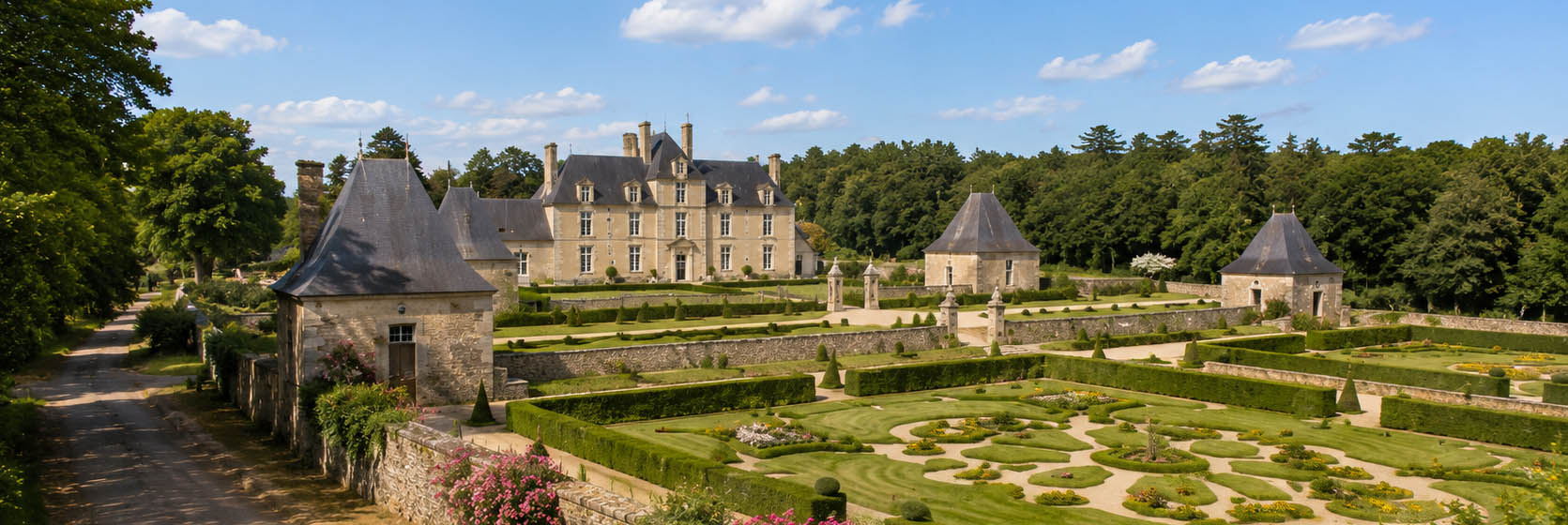
Coscro Castle
The Château du Coscro is undoubtedly the monument the most prestigious in Lignol. Located a few kilometers from the town center, this remarkable architectural complex is one of the finest examples of a noble residence in inland Brittany.
Address: Château du Coscro Le Coscro 56160 Lignol
The estate can be explored from the country roads that crisscross the area. Its natural surroundings—comprising meadows, woods, and farmland—play a major role in its exceptional character.
The castle is regularly cited as one of the major landmarks of the Pays du Roi Morvan and is included in the heritage tours offered by Morbihan’s tourism organizations.
Source : https://morbihan.com/a-voir-a-faire/suivez-le-guide/chateau-du-coscro-lignol-fr-4411523
History of Coscro Castle
The history of the Château du Coscro dates back several centuries. The property has belonged to various noble families, who have contributed to its development and beautification.
The estate has undergone several phases of construction and renovation, reflecting the architectural trends of its time. The buildings visible today bear witness to the important role played by the local elite in the history of Lignol and central Brittany.
Like many Breton manors, the site has weathered the periods of political unrest and economic upheaval that have shaped the region’s history.
Architecture and Notable Features
The Château du Coscro stands out for the elegance of its architecture. Visitors can admire, among other things:
- granite stone facades; ;
- historic outbuildings; ;
- period decorative elements; ;
- the estate's traditional organization; ;
- the scenic views surrounding the property.
Even when certain areas are not open to the public during certain hours, the outdoor setting alone is worth the trip.
Photography enthusiasts particularly appreciate the light that highlights the buildings at the end of the day, when the colors of the Morbihan countryside are reflected on the ancient stones.
Why the castle is a symbol of Lignol
The Château du Coscro is one of Lignol’s most iconic landmarks. It embodies the town’s feudal history, the quality of its architectural heritage, and the community’s commitment to preserving its heritage.
For many visitors, exploring the castle is the main reason for stopping in the town. The castle plays a major role in the town’s image as a tourist destination and is regularly featured in publications dedicated to Morbihan’s heritage.
The Church of Saints Peter and Paul
In the heart of the village of Lignol stands the’church Saint Peter and Saint Paul, the town’s main religious building.
Address: Place de l’Église 56160 Lignol
This church bears witness to several centuries of local religious history. Its architecture reflects the various periods of construction and renovation that have taken place over time.
Visitors can observe :
- antique religious furnishings; ;
- the stained-glass windows; ;
- the carved elements; ;
- the bell tower that towers over the village center.
The building is also an excellent starting point for exploring the town’s streets and understanding the town’s historical layout.
The Chapels of Lignol
Lignol’s rich cultural heritage is also reflected in its many rural chapels. These religious buildings, often located in hamlets or the surrounding countryside, are one of the most distinctive features of Brittany’s cultural heritage.
Each chapel has its own history, traditions, and sometimes its own “pardon”—those Breton religious festivals that continue to attract locals and visitors alike.
The presence of these buildings serves as a reminder of the importance of religious practice in rural Breton society over several centuries.
Saint-Mélan Chapel
One of the most interesting sites is the Saint-Mélan Chapel.
Located in a quiet, lush setting, it attracts lovers of religious heritage and traditional Breton architecture.
The chapel features several notable elements:
- traditional stone masonry; ;
- preserved natural landscape; ;
- authentic character; ;
- seamless integration into the surrounding countryside.
For visitors who wish to explore Lignol’s religious heritage beyond the town center, this stop is highly recommended.
Other religious buildings worth exploring
While visiting the town, it is also worth noting:
- monumental crosses; ;
- devotional fountains; ;
- the old wayside shrines; ;
- the small chapels scattered throughout the hamlets.
These elements form a veritable open-air museum that offers insight into the spiritual and cultural history of the region.
Heritage enthusiasts can enhance their exploration with information available at City Hall:
Lignol Town Hall 1 Place de l’Église 56160 Lignol
Municipal services can direct visitors to heritage tours and cultural events organized in the town.
The most beautiful villages to visit around Lignol
One of the great advantages of a stay in Lignol is its strategic location in the heart of inland Brittany. From the town, you can explore several remarkable destinations located less than thirty minutes away by car. Medieval heritage sites, charming towns, famous chapels, and historic castles perfectly round out a visit to Lignol and make for a trip full of discoveries.
Guémené-sur-Scorff
Located about 10 kilometers from Lignol, Guémené-sur-Scorff is one of the must-see excursions during a stay in the area.
Guémené-sur-Scorff is listed among Brittany's "Small Towns of Character" and boasts a particularly well-preserved heritage.
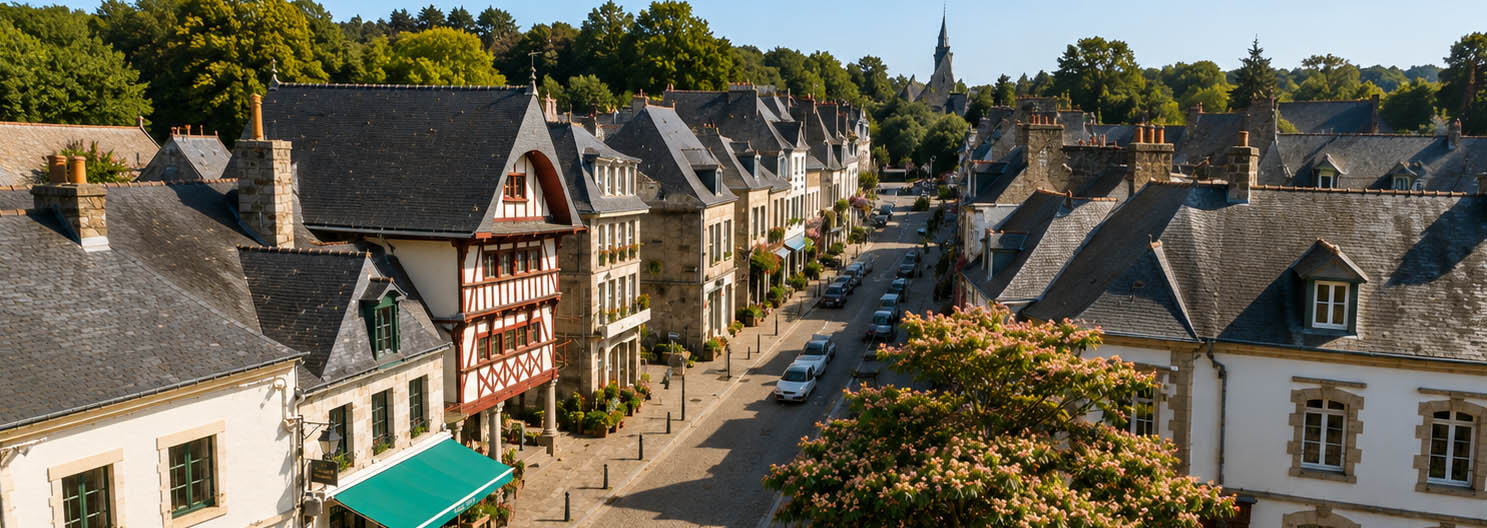
A charming small town with character
The historic center of Guémené-sur-Scorff immediately charms visitors with its narrow, ancient streets, half-timbered houses, and quintessentially Breton atmosphere.
Some of the sites worth visiting:
- the ruins of the Rohan Castle; ;
- the old merchant houses; ;
- cobbled streets ;
- historic facades; ;
- the gardens laid out in the old castle.
The full tour usually takes between two and three hours.
Guémené Andouille
You can’t visit the area around the town without trying the region’s most famous culinary specialty: Guémené andouille.

Visitors can visit the following places:
House of the Andouille 3 Rue de l’Hôpital 56160 Guémené-sur-Scorff
Several shops also offer tastings and artisanal products made from local ingredients.
Le Faouët
About 15 kilometers from Lignol, Le Faouët marks another major milestone for tourism in central Brittany.
This small town is known for its architectural heritage and its famous chapels.
The historic market halls of Le Faouët
The town center is dominated by remarkable 16th-century market halls, which are among the most beautiful in Brittany.
Address: Place des Halles 56320 Le Faouët
These market halls bear witness to the city’s former commercial importance in regional trade.
The iconic chapels of Le Faouët
Fans of religious heritage particularly appreciate:
- St. Barbara's Chapel; ;
- Saint-Fiacre Chapel.
The Sainte-Barbe Chapel is undoubtedly one of the most spectacular landmarks in inland Brittany, thanks to its location on a rocky promontory overlooking the valley.
Address: Sainte-Barbe Chapel 56320 Le Faouët
Source : https://www.morbihan.com
This tour is the perfect way to round out your exploration of Lignol’s religious heritage.
Pontivy
About 25 kilometers from the town, Pontivy is one of the major cities in central Morbihan.
The Rohan Castle
The most iconic landmark in Pontivy is the Château des Rohan.
Address: Place d’Armes 56300 Pontivy
Built in the late Middle Ages, this impressive structure is one of the most beautiful castles in Brittany that is open to the public.
Visitors to Lignol who want to delve deeper into Breton history particularly enjoy this excursion.
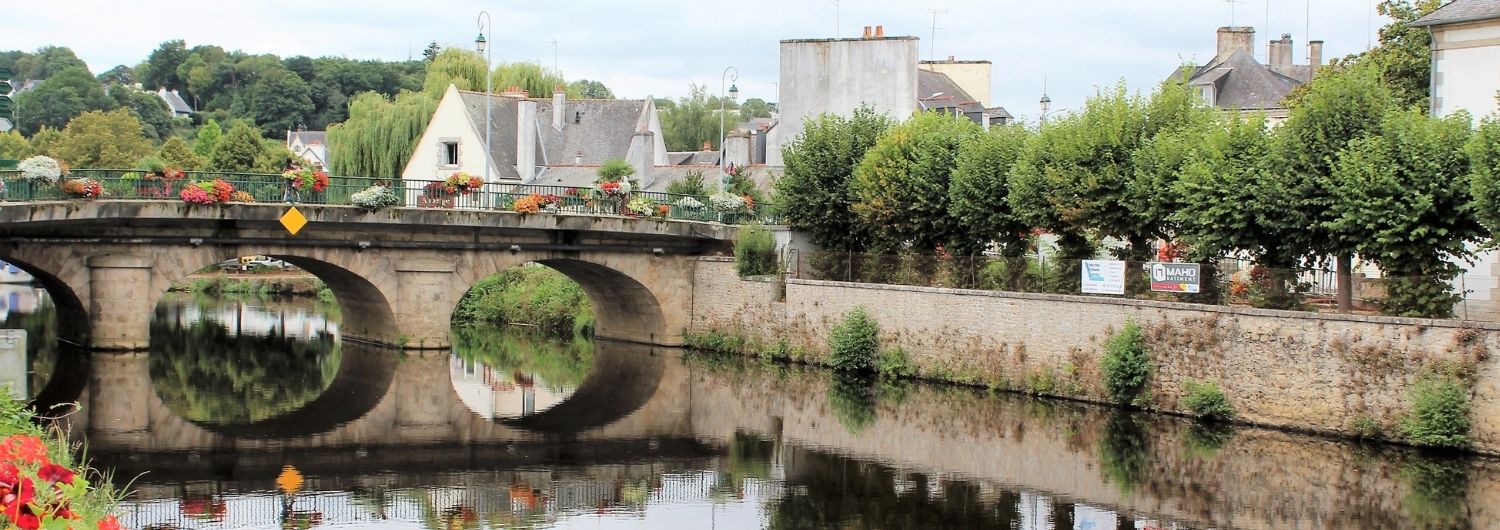
The historic center of Pontivy
The town center is also worth a visit.
We discover :
- old streets; ;
- half-timbered houses; ;
- historic sites; ;
- traditional shops; ;
- café terraces.
The town also offers a wide variety of restaurants and amenities that make for a pleasant stay in the Lignol area.
What's there to see within 30 minutes of Lignol?
The town’s location also provides quick access to several lesser-known but particularly interesting sites.
The Chapels of the Morvan Region
The region is known for its exceptionally high concentration of religious buildings.
There are many tours that let you explore:
- rural chapels; ;
- ordeals; ;
- sacred fountains; ;
- parish churchyards.
The Landscapes of the Pays Pourlet
The area surrounding the town also offers magnificent itineraries through :
- wooded valleys; ;
- forests ;
- traditional villages; ;
- scenic back roads.
Photography enthusiasts will find plenty of opportunities in this region to capture the authentic, largely unspoiled beauty of Brittany.
Local markets
There are several weekly markets where you can discover local products.
The most popular ones are:
- Guémené-sur-Scorff; ;
- Le Faouët; ;
- Pontivy.
These markets offer a great opportunity to meet local producers and sample regional specialties.
The most beautiful landscapes around Lignol
Lignol is more than just its historical heritage. The town also charms visitors with the diversity of its natural landscapes. Located in the heart of inland Brittany, it offers an ideal setting for lovers of hiking, photography, nature observation, and eco-tourism. Here, visitors will discover a succession of valleys, wooded countryside, forests, and small streams that make up one of the most beautiful rural settings in Morbihan.
Explore the Scorff Valley
The Scorff Valley is one of the main natural attractions of Lignol and the surrounding area.
The Scorff is a coastal river in Brittany that flows through several notable areas of Morbihan before emptying into the Atlantic Ocean at Lorient. Its watershed plays a vital role in the region’s ecological balance.
Source : https://www.syndicat-scorff.fr
The landscapes found in this valley are particularly varied:
- winding watercourse; ;
- wetlands; ;
- natural grasslands; ;
- riparian afforestation; ;
- hiking trails.
For visitors, these areas offer an excellent opportunity to explore the local biodiversity in a preserved environment.
Pays du Roi Morvan Tourist Office 5 Place du Château 56160 Guémené-sur-Scorff
This organization regularly provides maps, itineraries, and tips tailored to different types of visitors.
What is there to do in Lignol?
Lignol offers much more than just a heritage tour. The town offers a wide range of activities suitable for families, nature lovers, history buffs, and travelers seeking an authentic experience. Whether you’re staying in Lignol for a day or several days, there are many ways to fully enjoy the area and its surroundings.
Heritage Trail in Lignol
History buffs can take a true heritage tour through the town.
This tour offers the opportunity to discover:
- the Church of Saints Peter and Paul; ;
- Coscro Castle; ;
- rural chapels; ;
- monumental crosses; ;
- the old traditional hamlets.
This type of tour provides a better understanding of Lignol’s historical development and how the area has been organized over the centuries.
Outdoor Activities in Lignol
Thanks to its diverse landscapes, the town is an ideal setting for outdoor activities.
Visitors can enjoy:
- nature walks; ;
- cycling; ;
- mountain biking; ;
- in photography; ;
- wildlife viewing.
The low volume of car traffic in certain areas of Lignol greatly contributes to the quality of the experience.
Discover local traditions
Lignol is part of a region where Breton traditions still play an important role.
Throughout the year, visitors can explore:
- local festivals; ;
- cultural events; ;
- traditional markets ;
- community events; ;
- heritage events.
These events provide a better understanding of the cultural identity of Lignol and the Pays Pourlet.
To find out about events scheduled during your stay, we recommend checking the Pays du Roi Morvan calendar:
https://www.tourismepaysroimorvan.com
FAQ About Lignol
Where is Lignol located?
Lignol is a commune in Morbihan located in the heart of inland Brittany, in the Pays Pourlet region, near Guémené-sur-Scorff, Le Faouët, and Pontivy.
Why visit Lignol?
The town attracts visitors thanks to its historical heritage, natural landscapes, authentic charm, and ideal location for exploring central Brittany.
What are the main landmarks in Lignol?
The most famous sites in Lignol are the Château du Coscro, the Church of Saints Peter and Paul, and several remarkable rural chapels.
How long does it take to visit Lignol?
One day is enough to see the town’s main attractions, but a two- or three-day stay offers a more complete experience.
What can you do in Lignol with kids?
Families can enjoy the lake, nature walks, discovery trails, and heritage tours suitable for all ages.
When is the best time to visit Lignol?
Spring and fall are often considered the best seasons to visit Lignol, thanks to the beauty of the scenery and the low number of tourists.
Is it possible to go hiking in Lignol?
Yes. Lignol has many trails that allow you to explore the valleys, the wooded countryside, and the local heritage.
What is there to see around Lignol?
In the surrounding area, visitors can explore Guémené-sur-Scorff, Le Faouët, Pontivy, the Scorff Valley, and the many chapels of the Pays du Roi Morvan.
Is Lignol suitable for nature tourism?
Yes. Lignol is particularly popular among hikers, photographers, cyclists, and nature lovers.
Where to stay in Lignol?
Lignol mainly offers rural vacation rentals, bed-and-breakfasts, and countryside accommodations suitable for families or couples.
Conclusion: Why Should You Visit Lignol During a Trip to Brittany?
Lignol is one of the most authentic destinations in inland Morbihan. With its historical heritage, unspoiled landscapes, Breton traditions, and outdoor activities, the town offers an experience quite different from that of the major coastal tourist sites.
With Coscro Castle, rural chapels, hiking trails, and its proximity to Guémené-sur-Scorff and Le Faouët, Lignol is an excellent starting point for exploring the Pays Pourlet and central Brittany.
Travelers who choose Lignol discover a region where history, culture, and nature come together in a remarkably well-preserved environment. Whether you’re visiting for a day, a weekend Whether you stay for a few days or longer, Lignol often leaves visitors with memories of a genuine, peaceful, and deeply endearing Brittany.


